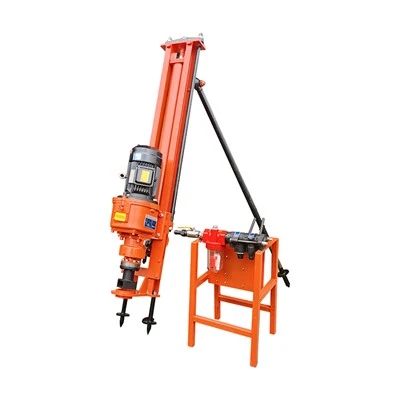
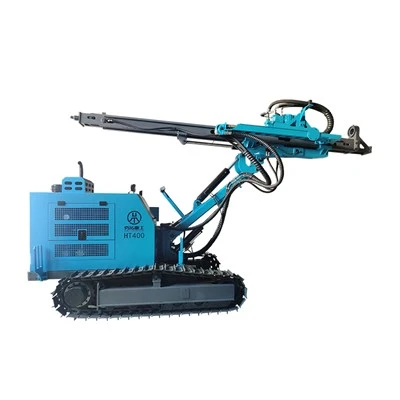
Hey there! As a supplier of core drilling rigs, I've got a ton of insights into these machines, especially when it comes to their power consumption characteristics. In this blog, I'll break down the key aspects of how much power these rigs use and what factors can influence that.
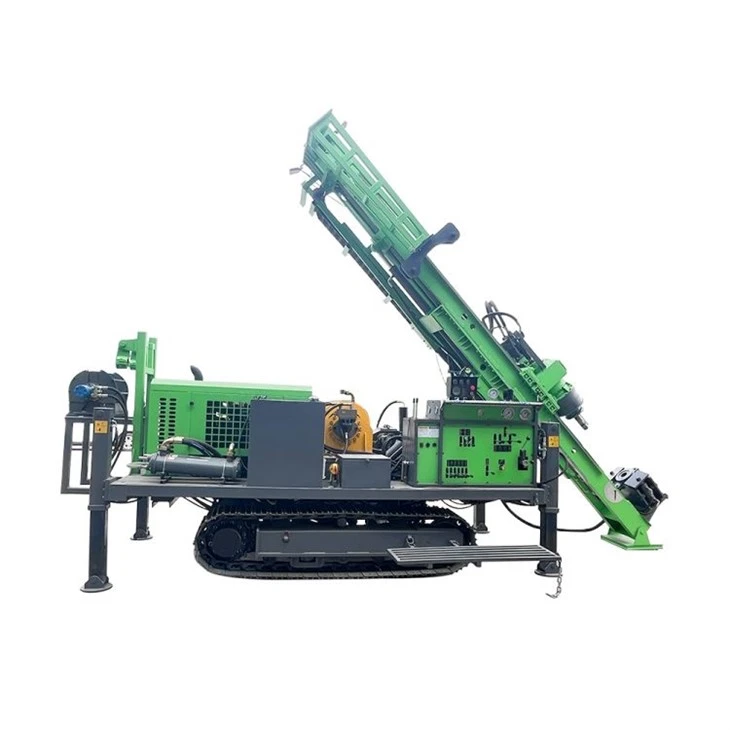
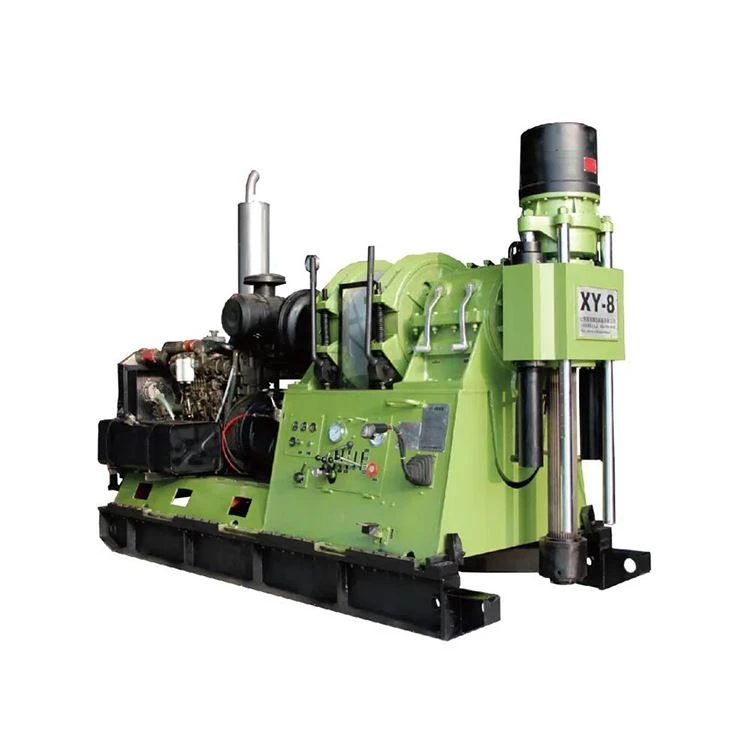
First off, let's talk about the basics. Core drilling rigs are used for all sorts of drilling jobs, from geological exploration to mining and construction. They come in different types, like the Rock Core Drill, wireline core drilling, and Full Hydraulic Core Exploration Drilling Rig. Each type has its own power needs, and understanding these can help you make better decisions when it comes to choosing the right rig for your project.
One of the main factors that affects power consumption is the size and capacity of the drilling rig. Generally, larger rigs with more powerful motors will use more electricity or fuel. For example, a big rig designed for deep - sea or large - scale mining operations will have a much higher power demand compared to a smaller rig used for shallow geological surveys. The larger rigs need to generate enough torque to drill through hard rock layers, and this requires a lot of energy.
The type of drilling operation also plays a huge role. If you're doing continuous drilling, the rig will be running non - stop, and that means a constant draw on power. On the other hand, if the drilling is intermittent, with breaks in between to change drill bits or take samples, the overall power consumption will be lower. For instance, in wireline core drilling, the process involves retrieving the core sample without having to pull out the entire drill string. This can be a more efficient process in terms of power use compared to traditional core drilling methods, as it reduces the time and energy spent on repeated drill string removal and replacement.
The geological conditions at the drilling site are another crucial factor. Drilling through soft soil or sediment requires less power than drilling through hard rock. When the rig encounters hard rock, the drill bit has to work harder, and the motor has to generate more force to keep the drill turning. This increased workload leads to a spike in power consumption. Some rigs are equipped with advanced sensors and control systems that can adjust the power output based on the hardness of the material being drilled. This helps to optimize power use and prevent unnecessary energy waste.
The efficiency of the rig's components also impacts power consumption. A well - maintained rig with high - quality motors, pumps, and drill bits will use power more efficiently. For example, a hydraulic pump that is in good condition will transfer energy more effectively, reducing the amount of power needed to operate the rig. Regular maintenance, including lubrication, filter changes, and inspections, can ensure that all components are working at their best and help to keep power consumption in check.
Now, let's look at the different power sources for core drilling rigs. Most rigs can be powered by either electricity or diesel fuel. Electric - powered rigs are generally more energy - efficient and produce fewer emissions. They are a great choice for indoor or urban drilling projects where noise and pollution are a concern. However, they require a reliable power supply, which can be a challenge in remote locations. Diesel - powered rigs, on the other hand, offer more mobility and can be used in areas without access to electricity. But they tend to consume more fuel and produce more emissions.
In terms of power consumption trends, there has been a growing focus on developing more energy - efficient core drilling rigs. Manufacturers are investing in research and development to come up with new technologies that can reduce power use without sacrificing performance. For example, some rigs now use variable - speed drives that can adjust the motor speed based on the load, which helps to save energy. There are also efforts to integrate renewable energy sources, such as solar panels or wind turbines, into the power supply of drilling rigs, especially for long - term projects in remote areas.
As a supplier, I understand that power consumption is a major concern for our customers. That's why we offer a range of rigs with different power consumption characteristics to meet the diverse needs of various projects. Whether you're looking for a high - performance rig for a large - scale mining operation or a more energy - efficient rig for a small - scale exploration project, we've got you covered.
If you're in the market for a core drilling rig and want to learn more about the power consumption characteristics of our products, or if you have any other questions, feel free to reach out to us. We're here to help you make an informed decision and find the perfect rig for your project.
In conclusion, understanding the power consumption characteristics of core drilling rigs is essential for anyone involved in drilling operations. By considering factors such as rig size, drilling operation type, geological conditions, and power source, you can choose a rig that meets your project requirements while also being energy - efficient. And if you're interested in our core drilling rigs, don't hesitate to contact us for more information and to start the procurement process.
References
- Industry reports on core drilling technology and power consumption
- Manufacturer specifications for different types of core drilling rigs