In the realm of down the hole (DTH) drilling, various tools play crucial roles in ensuring efficient and effective operations. Among these tools, the reamer stands out as a key component that significantly impacts the quality and productivity of the drilling process. As a down the hole drilling supplier, we have witnessed firsthand the importance of reamers in different drilling scenarios. In this blog post, we will explore the role of reamers in down the hole drilling, their functions, types, and the benefits they offer.
Understanding the Basics of Down the Hole Drilling
Before delving into the role of reamers, it is essential to have a basic understanding of down the hole drilling. DTH drilling is a method used to create holes in the ground, typically for mining, construction, or geothermal purposes. In this method, a drill bit is attached to the end of a drill string, and a hammer mechanism located near the bit delivers high - frequency impacts to break the rock. Compressed air is used to remove the cuttings from the hole.
The Role of Reamers in Down the Hole Drilling
Hole Size Enlargement
One of the primary roles of a reamer in down the hole drilling is to enlarge the diameter of an existing hole. In many drilling projects, the initial hole drilled by the primary drill bit may not be of the desired size. Reamers are designed to increase the diameter of the hole to the required specification. This is particularly important in applications such as mining, where the size of the blast hole can affect the efficiency of the blasting process. A properly sized hole ensures that the explosives are distributed evenly, leading to better fragmentation of the rock and more efficient ore extraction.
Hole Wall Smoothing
Reamers also play a crucial role in smoothing the walls of the drilled hole. During the initial drilling process, the hole walls may be rough due to the action of the drill bit breaking the rock. A rough hole wall can cause several problems, including increased friction during the insertion of casing, pipes, or other equipment. It can also lead to uneven stress distribution, potentially causing the hole to collapse. By using a reamer, the rough edges of the hole wall are removed, creating a smooth and uniform surface. This improves the overall integrity of the hole and reduces the risk of complications during subsequent operations.
Correcting Deviations
Another important function of reamers is to correct any deviations in the drilled hole. In some cases, the drill string may deviate from the intended path due to various factors such as uneven rock formations or improper drilling techniques. A reamer can be used to realign the hole and bring it back to the desired trajectory. This is especially critical in applications where precise hole placement is required, such as in geothermal drilling or in the construction of foundations.
Types of Reamers Used in Down the Hole Drilling
Fixed - Blade Reamers
Fixed - blade reamers are the most common type of reamers used in down the hole drilling. These reamers have blades that are permanently attached to the body of the reamer. The blades are made of hard materials such as tungsten carbide to withstand the abrasive forces during drilling. Fixed - blade reamers are relatively simple in design and are suitable for most drilling applications. They are available in different sizes and blade configurations to meet the specific requirements of the project.
Retractable - Blade Reamers
Retractable - blade reamers are more advanced and are used in situations where the reamer needs to be expanded or contracted. These reamers have blades that can be extended or retracted hydraulically or mechanically. Retractable - blade reamers are useful when drilling through different rock formations, as the blade size can be adjusted to optimize the reaming process. They are also beneficial when the hole diameter needs to be changed during the drilling operation.
Benefits of Using Reamers in Down the Hole Drilling
Improved Drilling Efficiency
By enlarging the hole diameter and smoothing the hole walls, reamers reduce the friction between the drill string and the hole. This results in less resistance during drilling, allowing the drill to penetrate the rock more easily. As a result, the overall drilling speed is increased, and the time required to complete the project is reduced.
Higher Quality Holes
The use of reamers ensures that the holes are of the correct size and have smooth walls. This leads to better quality holes that are more suitable for the intended application. For example, in mining, high - quality blast holes improve the effectiveness of the blasting process, leading to better ore recovery. In construction, properly sized and smooth holes are essential for the installation of foundations and other structures.
Cost Savings
Although the use of reamers adds an additional cost to the drilling process, the long - term benefits far outweigh the initial investment. Improved drilling efficiency and higher quality holes reduce the need for re - drilling and other corrective measures, which can be costly. Additionally, better fragmentation in mining operations leads to more efficient ore extraction, increasing the overall profitability of the project.
Our Products Related to Down the Hole Drilling
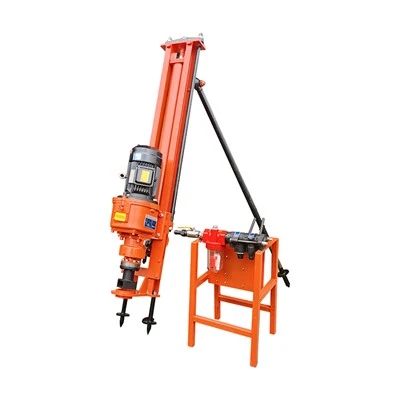
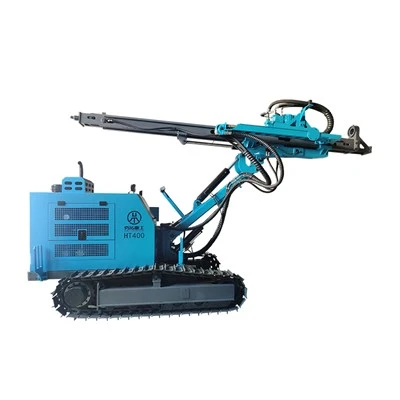
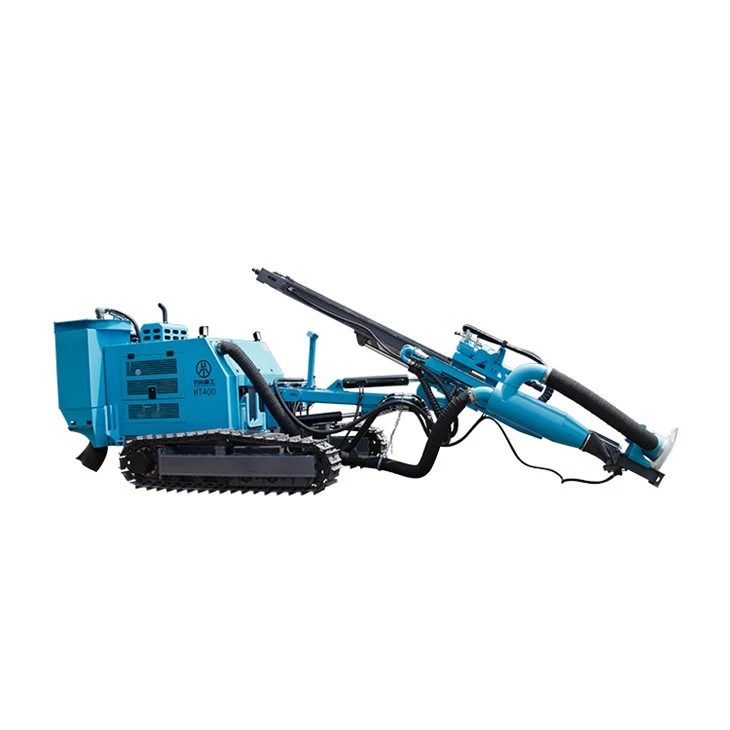
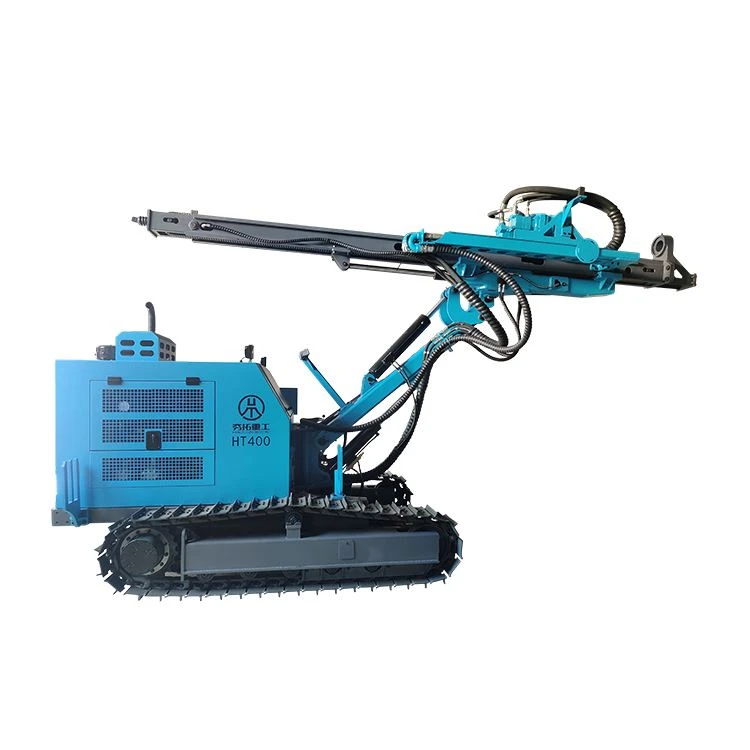
As a leading down the hole drilling supplier, we offer a wide range of high - quality drilling equipment, including DTH Drilling Machine, DTH Open Pit Drill Rig, and Crawler dth Drilling Rig. Our reamers are designed to meet the highest standards of quality and performance, ensuring optimal results in your drilling projects.
Conclusion
In conclusion, reamers play a vital role in down the hole drilling. They are essential for hole size enlargement, hole wall smoothing, and correcting deviations. By using reamers, drilling efficiency is improved, higher quality holes are achieved, and significant cost savings can be realized. As a down the hole drilling supplier, we are committed to providing the best - in - class reamers and other drilling equipment to meet the needs of our customers. If you are interested in learning more about our products or have a project that requires down the hole drilling services, please do not hesitate to contact us for further discussion and procurement negotiation.
References
- Dick, R. (2005). Drilling and Blasting of Rocks. Butterworth - Heinemann.
- Singh, R. N., & Goel, R. K. (2011). Rock Mechanics for Underground Mining. Springer.