Can a Pneumatic Rock Drilling Rig Be Used Underwater?
As a supplier of pneumatic rock drilling rigs, I often encounter various questions from customers regarding the application scenarios of our products. One of the most frequently asked questions is whether a pneumatic rock drilling rig can be used underwater. In this blog post, I will delve into this topic, exploring the feasibility, challenges, and potential solutions for using pneumatic rock drilling rigs in underwater environments.

Understanding Pneumatic Rock Drilling Rigs
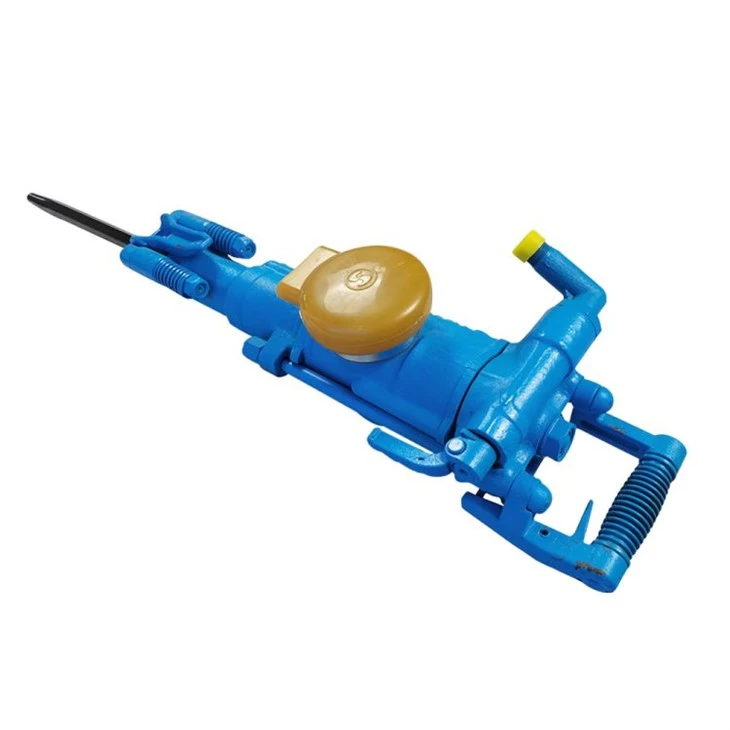
Before discussing the underwater application, it's essential to understand how pneumatic rock drilling rigs work. Pneumatic rock drills operate by using compressed air to drive a piston, which in turn strikes the drill bit to break through rock. These rigs are known for their simplicity, reliability, and cost - effectiveness. They are widely used in various industries such as mining, construction, and quarrying.
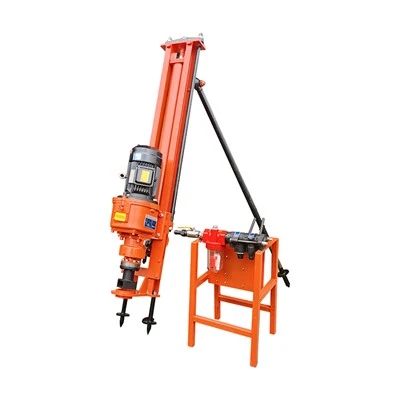
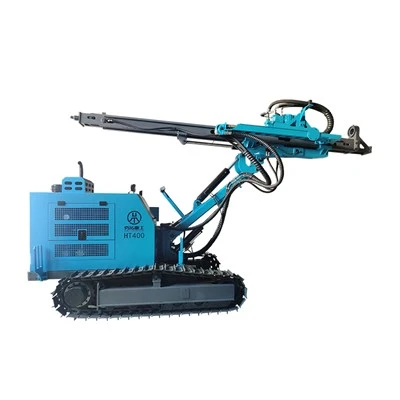
There are different types of pneumatic rock drilling rigs available in our product range. For instance, the pneumatic air leg rock drill is designed with an air leg for support and easy operation, providing stability during drilling. The mini pneumatic drill is a compact and lightweight option, suitable for small - scale projects or confined spaces. And the hand held rock drilling equipment offers portability and flexibility for on - the - spot drilling tasks.
Feasibility of Using Pneumatic Rock Drilling Rigs Underwater
Theoretically, it is possible to use a pneumatic rock drilling rig underwater, but it comes with several significant challenges.
Positive Aspects
- Power Source: Compressed air can be a reliable power source even underwater. As long as there is a proper air supply system, the pneumatic rock drill can continue to operate. Compressed air can be generated on the surface and then delivered to the drill through a hose, which means that the power generation equipment does not need to be submerged.
- Versatility: Pneumatic rock drills are designed to break through hard rock, and this ability remains relevant underwater. In underwater construction projects such as building foundations for bridges, offshore platforms, or underwater tunnels, the need to drill into rock formations exists.
Challenges
- Water Ingress: One of the most significant challenges is water ingress. Water can enter the drill mechanism, causing corrosion, damage to internal components, and reducing the efficiency of the drill. The seals of the pneumatic rock drill need to be extremely reliable to prevent water from entering the air passages and the piston chamber.
- Air Supply: Maintaining a stable air supply underwater is crucial. The air pressure needs to be adjusted according to the water depth to ensure that the drill operates effectively. As the water depth increases, the external water pressure also increases, and the compressed air needs to be at a higher pressure to overcome the water pressure and drive the drill.
- Visibility and Control: Underwater, visibility is often limited, which makes it difficult to accurately position the drill and monitor the drilling process. Additionally, the operator may face difficulties in controlling the drill due to the water resistance and the buoyancy of the equipment.
Solutions to Overcome Challenges
- Sealing and Corrosion Resistance: To prevent water ingress, the pneumatic rock drill can be designed with high - quality seals and made of corrosion - resistant materials. Special coatings can also be applied to the internal and external surfaces of the drill to protect it from the corrosive effects of water. For example, using stainless steel or other corrosion - resistant alloys for critical components can significantly extend the lifespan of the drill underwater.
- Air Supply System: A well - designed air supply system is essential. The air compressor on the surface should be capable of generating high - pressure air. A pressure regulator can be installed in the air delivery hose to adjust the air pressure according to the water depth. Additionally, the hose should be strong enough to withstand the water pressure and prevent air leakage.
- Remote Operation and Monitoring: To address the issues of visibility and control, remote operation and monitoring systems can be employed. Cameras can be installed near the drill to provide real - time visual feedback to the operator on the surface. Sensors can also be used to monitor the performance of the drill, such as the air pressure, drilling speed, and the force applied to the drill bit.
Case Studies
There have been some successful applications of pneumatic rock drilling rigs underwater. In some offshore oil and gas projects, pneumatic rock drills have been used to drill into the seabed for foundation installation. By using advanced sealing technologies and a well - optimized air supply system, the drills were able to operate effectively in the harsh underwater environment.
In underwater tunnel construction projects, pneumatic rock drills have also played an important role. Despite the challenges of limited visibility and high water pressure, with the help of remote operation and monitoring systems, the drills were able to accurately drill into the rock formations, ensuring the smooth progress of the project.
Conclusion
In conclusion, while using a pneumatic rock drilling rig underwater is feasible, it requires careful consideration of the challenges and the implementation of appropriate solutions. With the right design, technology, and operational strategies, pneumatic rock drills can be effectively used in underwater applications.
If you are interested in our pneumatic rock drilling rigs and have any questions about their underwater application or other aspects, please feel free to contact us for further discussion and procurement negotiation. We are committed to providing you with high - quality products and professional technical support.
References
- Smith, J. (2018). Underwater Drilling Technologies. Journal of Offshore Engineering, 25(3), 123 - 135.
- Brown, A. (2019). Pneumatic Rock Drilling: Principles and Applications. Mining Engineering Review, 32(2), 45 - 56.
- Green, C. (2020). Challenges and Solutions in Underwater Construction. Construction Technology Journal, 40(4), 78 - 89.