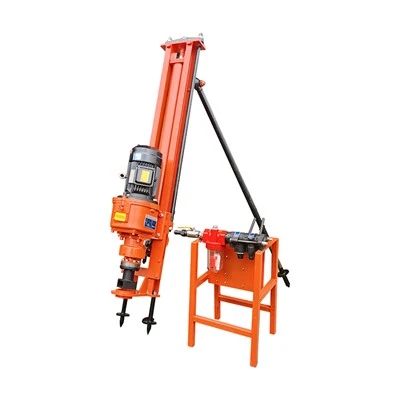
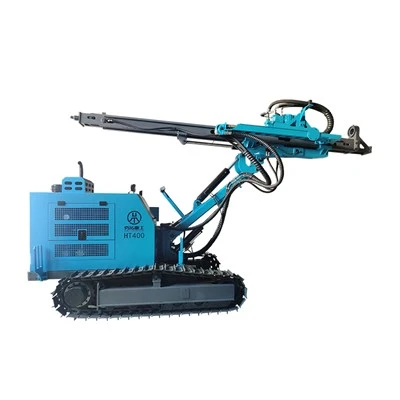
In the realm of rock drilling, two prominent technologies stand out: hydraulic and pneumatic rock drilling equipment. As a leading supplier of rock drilling equipment, I've witnessed firsthand the unique characteristics and applications of both. Understanding the differences between these two types of equipment is crucial for making informed decisions in various drilling projects.
Working Principles
Let's start by delving into the fundamental working principles of hydraulic and pneumatic rock drilling equipment.
Hydraulic rock drilling equipment operates on the principle of using pressurized hydraulic fluid to generate power. The hydraulic system consists of a hydraulic pump, valves, and cylinders. When the pump is activated, it pressurizes the hydraulic fluid, which is then directed to the cylinders. The force exerted by the pressurized fluid moves the pistons in the cylinders, creating the necessary impact and rotation for drilling. This system offers high power and precision, making it suitable for heavy - duty drilling tasks.
On the other hand, pneumatic rock drilling equipment relies on compressed air as its power source. Compressed air is supplied to the drill through an air compressor. The air enters the drill and drives a piston or a rotary mechanism. As the compressed air expands, it creates a force that moves the drill bit, enabling it to penetrate the rock. Pneumatic systems are known for their simplicity and relatively low cost.
Performance and Power
One of the key differences between hydraulic and pneumatic rock drilling equipment lies in their performance and power capabilities.
Hydraulic rock drills are renowned for their high power output. They can generate a significant amount of force, allowing them to drill through hard and dense rocks with ease. The hydraulic system provides smooth and consistent power delivery, which results in efficient drilling. This makes hydraulic equipment ideal for large - scale mining operations, deep - hole drilling, and other demanding applications where high power is required.
Pneumatic rock drills, while not as powerful as their hydraulic counterparts, still offer sufficient power for many drilling tasks. They are more suitable for lighter - duty applications, such as small - scale construction projects, quarrying, and shallow - hole drilling. Pneumatic drills are also known for their quick start - up and shutdown times, which can improve productivity in certain situations.
Efficiency and Productivity
Efficiency and productivity are important factors to consider when choosing between hydraulic and pneumatic rock drilling equipment.
Hydraulic rock drilling equipment generally offers higher efficiency due to its precise power control. The hydraulic system can be adjusted to match the specific requirements of the drilling task, reducing energy waste. Additionally, hydraulic drills often have a faster drilling speed, which can significantly increase productivity. For example, in large - scale mining operations, hydraulic drills can drill deeper and faster, allowing for more ore extraction in a shorter period.


Pneumatic rock drills, although less efficient in terms of power utilization, can still be productive in the right applications. They are relatively easy to operate and maintain, which can reduce downtime. In some cases, the simplicity of pneumatic systems can lead to quicker setup and breakdown times, enabling more drilling operations to be completed in a day.
Mobility and Portability
Mobility and portability are crucial considerations, especially for projects that require equipment to be moved between different locations.
Hydraulic rock drilling equipment is often bulkier and heavier due to the presence of the hydraulic system, including the pump, hoses, and reservoir. This can make it less portable and more difficult to transport. However, some modern hydraulic drills are designed with mobility in mind, featuring compact designs and easy - to - move components.
Pneumatic rock drills are generally more portable. They are lighter in weight and do not require a large and complex power source like hydraulic systems. Pneumatic drills can be easily carried to different work sites, making them a popular choice for small - scale and remote projects. For instance, a small down the hole drilling operation in a mountainous area can benefit from the portability of pneumatic equipment.
Cost
Cost is always a significant factor in any equipment purchase decision.
Hydraulic rock drilling equipment typically has a higher upfront cost. The hydraulic system is more complex and requires high - quality components, which increases the manufacturing cost. Additionally, the maintenance and repair of hydraulic equipment can be more expensive due to the specialized knowledge and tools required.
Pneumatic rock drilling equipment is generally more affordable. The components of a pneumatic system are simpler and less expensive to manufacture. The maintenance cost is also relatively low, as the system is easier to understand and repair. For example, a mini pneumatic drill can be a cost - effective option for small - scale contractors.
Noise and Vibration
Noise and vibration are important considerations for the safety and comfort of the operators.
Hydraulic rock drills tend to produce less noise and vibration compared to pneumatic drills. The hydraulic system provides a smoother operation, which reduces the amount of noise and vibration transmitted to the operator. This can improve the working environment and reduce the risk of operator fatigue and health issues.
Pneumatic rock drills, on the other hand, can be quite noisy. The compressed air expansion and the movement of the drill components create a significant amount of noise. Vibration levels can also be relatively high, which may require operators to use additional protective equipment.
Applications
The choice between hydraulic and pneumatic rock drilling equipment also depends on the specific application.
Hydraulic rock drills are commonly used in large - scale mining, tunneling, and deep - hole drilling projects. Their high power and precision make them suitable for drilling through hard rocks and achieving deep boreholes. They are also used in construction projects where large - diameter holes need to be drilled.
Pneumatic rock drills are widely used in small - scale construction, quarrying, and maintenance work. They are ideal for tasks such as drilling anchor holes, breaking up concrete, and light - duty rock drilling. A pneumatic air leg rock drill is often used in these applications due to its portability and ease of use.
Conclusion
In conclusion, both hydraulic and pneumatic rock drilling equipment have their own unique advantages and disadvantages. Hydraulic equipment offers high power, precision, and efficiency, making it suitable for heavy - duty applications. Pneumatic equipment, on the other hand, is more affordable, portable, and easier to maintain, making it a good choice for lighter - duty tasks.
As a supplier of rock drilling equipment, we understand the diverse needs of our customers. Whether you are involved in large - scale mining, small - scale construction, or any other drilling project, we can provide you with the right equipment to meet your requirements. If you are interested in learning more about our products or have any questions regarding hydraulic or pneumatic rock drilling equipment, we encourage you to contact us for a detailed discussion. We are committed to helping you make the best decision for your drilling needs.
References
- "Rock Drilling Technology" by John Smith
- "Handbook of Drilling Equipment" by David Johnson