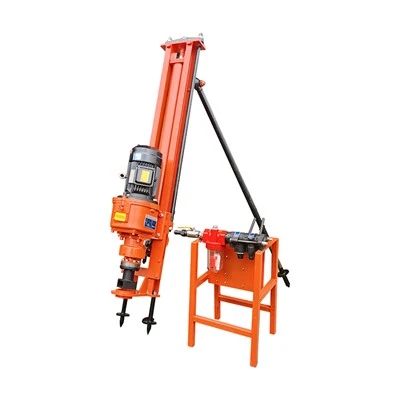
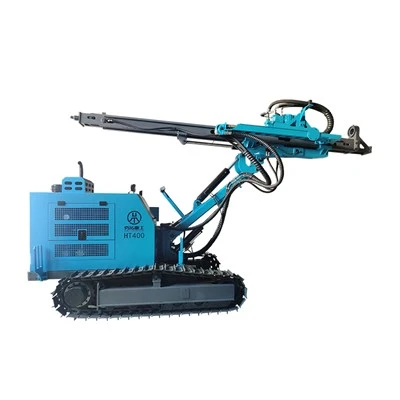
In the realm of drilling operations, the choice between a crawler-mounted drill rig and a skid-mounted drill rig can significantly impact the efficiency, productivity, and overall success of a project. As a seasoned supplier of crawler-mounted drill rigs, I've witnessed firsthand the unique advantages and applications of each type. In this blog post, I'll delve into the key differences between these two drill rigs, shedding light on their features, benefits, and ideal use cases.
Mobility and Maneuverability
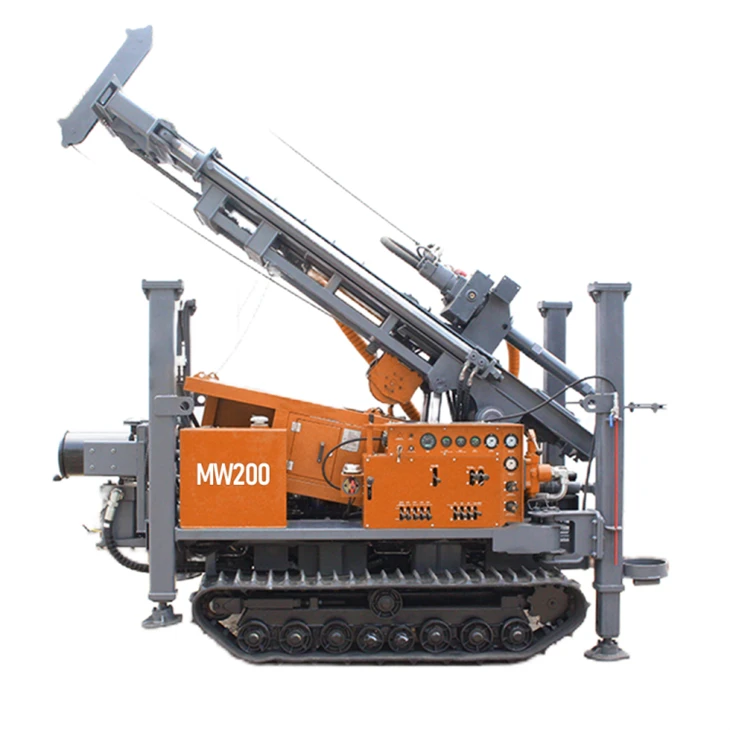
One of the most notable differences between crawler-mounted and skid-mounted drill rigs lies in their mobility and maneuverability. Crawler-mounted drill rigs are equipped with tracks, similar to those found on bulldozers or tanks. These tracks provide excellent traction and stability, allowing the rig to traverse rough, uneven, or soft terrain with ease. Whether it's muddy construction sites, rocky hillsides, or sandy deserts, crawler-mounted drill rigs can navigate challenging landscapes without getting stuck.
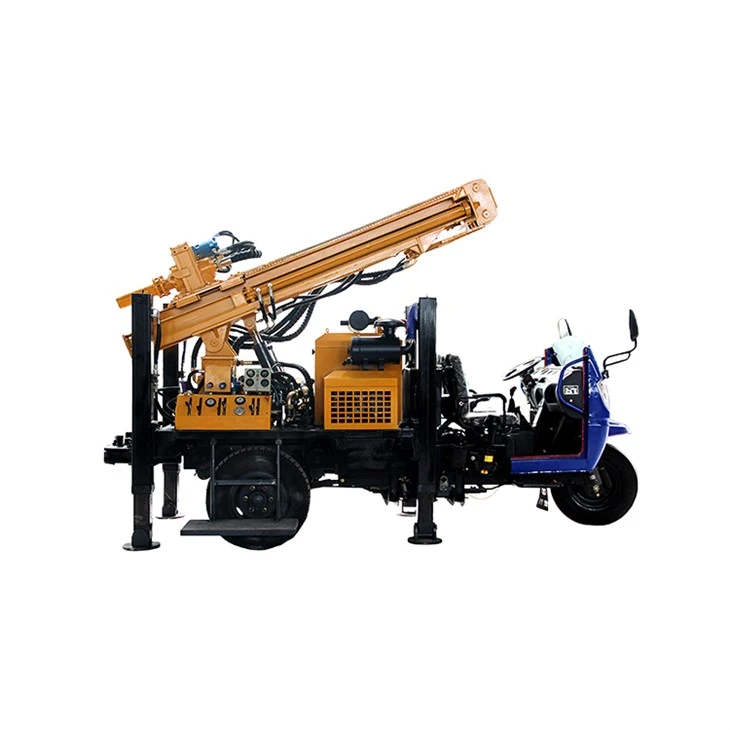
On the other hand, skid-mounted drill rigs are designed with skids or pads instead of tracks. Skid-mounted rigs are typically more compact and lightweight than their crawler counterparts, making them easier to transport and set up. They are well-suited for operations in confined spaces or areas with limited access, such as urban construction sites or indoor facilities. However, their mobility is somewhat restricted compared to crawler-mounted drill rigs, as they may struggle to move on uneven or soft ground.
Stability and Weight Distribution
Stability is crucial in drilling operations, especially when working with heavy equipment and drilling at great depths. Crawler-mounted drill rigs offer superior stability due to their low center of gravity and wide track base. The tracks distribute the weight of the rig evenly across the ground, reducing the risk of tipping over during drilling. This makes crawler-mounted drill rigs ideal for deep drilling applications, such as oil and gas exploration, geothermal drilling, and large-scale water well drilling.
Skid-mounted drill rigs, while generally stable, may be more susceptible to tipping or shifting on uneven ground. Their skids or pads provide a relatively smaller contact area with the ground, which can result in less stability compared to crawler-mounted rigs. However, skid-mounted drill rigs are often equipped with stabilizing jacks or outriggers to enhance stability during operation. These jacks can be extended to provide additional support and prevent the rig from tipping over.
Drilling Capacity and Performance
The drilling capacity and performance of a drill rig are determined by several factors, including the power of the drilling engine, the size and type of drill bit, and the drilling method used. Crawler-mounted drill rigs are typically more powerful and capable of drilling deeper and larger diameter holes compared to skid-mounted drill rigs. They are often equipped with high-horsepower engines and heavy-duty drilling equipment, making them suitable for demanding drilling applications.
Skid-mounted drill rigs, on the other hand, are generally less powerful but more versatile. They are designed for smaller-scale drilling projects, such as residential water well drilling, foundation testing, and environmental sampling. Skid-mounted drill rigs can be equipped with a variety of drill bits and drilling methods, allowing them to adapt to different soil conditions and drilling requirements.
Cost and Maintenance
Cost is an important consideration when choosing between a crawler-mounted and a skid-mounted drill rig. Crawler-mounted drill rigs are typically more expensive to purchase and operate compared to skid-mounted drill rigs. Their larger size, more powerful engines, and advanced features contribute to their higher cost. Additionally, crawler-mounted drill rigs require more maintenance and upkeep due to their complex mechanical systems and tracks.
Skid-mounted drill rigs are generally more affordable to purchase and operate. They are smaller, lighter, and less complex than crawler-mounted drill rigs, which translates to lower initial costs and reduced maintenance requirements. However, the cost of a drill rig also depends on factors such as the brand, model, and features. It's important to consider your specific drilling needs and budget when making a decision.
Ideal Use Cases
Based on the differences in mobility, stability, drilling capacity, and cost, crawler-mounted and skid-mounted drill rigs are best suited for different types of drilling projects. Here are some ideal use cases for each type of drill rig:
Crawler-Mounted Drill Rigs
- Oil and Gas Exploration: Crawler-mounted drill rigs are commonly used in oil and gas exploration due to their ability to drill deep and large diameter holes in challenging terrain. They are equipped with powerful engines and advanced drilling technology to handle the high pressures and temperatures associated with oil and gas drilling.
- Geothermal Drilling: Geothermal drilling requires drilling deep into the earth's crust to access hot water or steam for energy production. Crawler-mounted drill rigs are well-suited for this application due to their stability and drilling capacity. They can withstand the extreme conditions of geothermal drilling and provide reliable performance.
- Large-Scale Water Well Drilling: Crawler-mounted drill rigs are often used for large-scale water well drilling projects, such as those in rural areas or industrial sites. They can drill deep and large diameter wells to meet the water supply needs of communities or industries.
- Mining Exploration: Crawler-mounted drill rigs are used in mining exploration to drill core samples and collect geological data. They can access remote and difficult-to-reach areas, allowing mining companies to explore potential mineral deposits.
Skid-Mounted Drill Rigs
- Residential Water Well Drilling: Skid-mounted drill rigs are ideal for residential water well drilling due to their compact size and maneuverability. They can be easily transported to residential properties and set up in limited space. Skid-mounted drill rigs can drill shallow to medium-depth wells to provide a reliable water supply for homes.
- Foundation Testing: Foundation testing is an important step in the construction process to determine the soil conditions and bearing capacity of a site. Skid-mounted drill rigs can be used to drill test holes and collect soil samples for analysis. They are lightweight and easy to move around construction sites, making them suitable for foundation testing.
- Environmental Sampling: Skid-mounted drill rigs are commonly used for environmental sampling, such as soil and groundwater sampling. They can be equipped with specialized sampling equipment to collect samples from different depths and locations. Skid-mounted drill rigs are portable and can be used in a variety of environmental settings.
- Utility Installation: Skid-mounted drill rigs are used for utility installation projects, such as installing water pipes, sewer lines, and electrical cables. They can drill small-diameter holes quickly and efficiently, minimizing disruption to the surrounding area.
Conclusion
In conclusion, the choice between a crawler-mounted drill rig and a skid-mounted drill rig depends on several factors, including the type of drilling project, the terrain conditions, the drilling capacity required, and the budget. Crawler-mounted drill rigs offer superior mobility, stability, and drilling capacity, making them suitable for large-scale and demanding drilling applications. Skid-mounted drill rigs, on the other hand, are more compact, lightweight, and versatile, making them ideal for smaller-scale and confined-space drilling projects.
As a supplier of crawler-mounted drill rigs, I understand the importance of choosing the right equipment for your drilling needs. We offer a wide range of Crawler Water Well Drilling Rig and 200m Water Well Drilling Rig that are designed to provide reliable performance and efficiency. If you're in the market for a drill rig, I encourage you to contact us to discuss your specific requirements and find the perfect solution for your project.
References
- Smith, J. (2020). Drilling Rig Handbook. Elsevier.
- Johnson, R. (2019). Drilling Engineering. McGraw-Hill.
- Brown, A. (2018). Crawler vs. Skid-Mounted Drill Rigs: What's the Difference? Drilling Contractor Magazine.