What is the Maximum Drilling Diameter of a Water Well Drill Rig Truck?
As a trusted supplier of water well drill rig trucks, I've had numerous inquiries from clients regarding the maximum drilling diameter of these powerful machines. This blog post aims to shed light on this crucial aspect, exploring the factors that influence the drilling diameter and providing practical insights for those in the market for a water well drill rig truck.
Understanding the Basics of Drilling Diameter
The drilling diameter refers to the width of the hole that a water well drill rig truck can create in the ground. It is a critical specification as it determines the size of the well and the type of water extraction equipment that can be installed. A larger drilling diameter allows for the installation of larger pumps and casing, which can increase the well's water yield and longevity.
Factors Influencing the Maximum Drilling Diameter
Several factors come into play when determining the maximum drilling diameter of a water well drill rig truck. These include:
-
Rig Design and Power
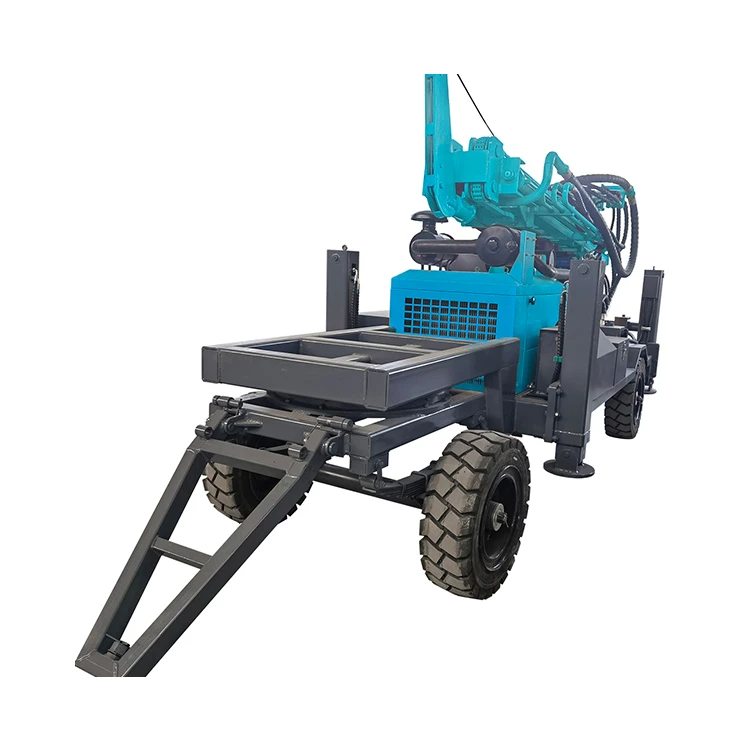
The design and power of the drill rig truck are primary determinants of the maximum drilling diameter. More powerful rigs with robust engines and advanced hydraulic systems can handle larger drill bits and generate the necessary torque to penetrate the ground. For instance, our Truck-mounted Water Well drilling Rig is engineered with high-powered engines and state-of-the-art hydraulic systems, enabling it to achieve larger drilling diameters compared to less powerful models. -
Drill Bit Type and Size
The type and size of the drill bit used also significantly impact the drilling diameter. Different drill bits are designed for specific soil and rock conditions, and their size determines the width of the hole they can create. For example, a large-diameter drag bit can be used to drill wider holes in soft soil, while a smaller, more robust roller cone bit may be more suitable for hard rock formations. Our range of water well drill rig trucks is compatible with a variety of drill bit types and sizes, allowing for flexibility in achieving the desired drilling diameter. -
Soil and Rock Conditions
The nature of the soil and rock at the drilling site is another crucial factor. Soft soil and sedimentary rock formations are generally easier to drill through and allow for larger drilling diameters. In contrast, hard rock formations such as granite or basalt require more powerful rigs and specialized drill bits, which may limit the maximum drilling diameter. Before commencing drilling, it is essential to conduct a thorough geological survey to assess the soil and rock conditions and select the appropriate rig and drill bit accordingly. -
Casing Requirements
The size of the casing that needs to be installed in the well also influences the drilling diameter. The casing is a pipe that lines the well to prevent it from collapsing and to protect the water source from contamination. The drilling diameter must be large enough to accommodate the casing, with some additional space for grouting and installation. Our team of experts can assist in determining the appropriate casing size and drilling diameter based on the specific requirements of your project.
Typical Maximum Drilling Diameters
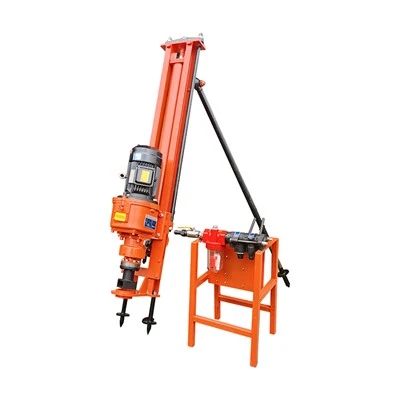
The maximum drilling diameter of a water well drill rig truck can vary widely depending on the factors mentioned above. In general, smaller rigs, such as our small water well drilling rig, are capable of drilling diameters ranging from 4 to 8 inches. These rigs are ideal for residential and small-scale commercial applications where a smaller well diameter is sufficient.
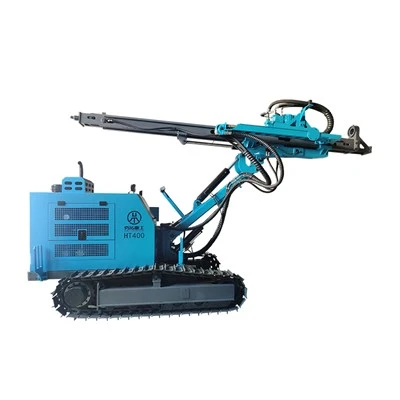
Medium-sized rigs can typically achieve drilling diameters of 8 to 12 inches, making them suitable for larger residential and commercial projects. Our mid-range water well drill rig trucks are designed to balance power and mobility, allowing for efficient drilling in a variety of soil and rock conditions.
Large, heavy-duty rigs, such as our water well drilling rigs, can drill diameters of 12 inches or more. These rigs are commonly used in large-scale industrial projects, municipal water supply systems, and deep well drilling applications.
Importance of Selecting the Right Drilling Diameter
Selecting the right drilling diameter is crucial for the success of your water well project. A diameter that is too small may limit the well's water yield and the type of equipment that can be installed, while a diameter that is too large can increase drilling costs and the risk of well instability.
By working with a reputable supplier like us, you can benefit from our expertise and experience in selecting the appropriate drilling diameter for your specific needs. Our team of engineers and technicians can conduct a detailed analysis of your project requirements, including the water demand, soil and rock conditions, and casing specifications, to recommend the most suitable water well drill rig truck and drilling diameter.

Contact Us for Your Water Well Drilling Needs
If you are in the market for a water well drill rig truck and need assistance in determining the maximum drilling diameter for your project, we are here to help. Our team of experts is dedicated to providing personalized solutions and exceptional customer service. Whether you are a homeowner looking to install a small well or a large corporation in need of a high-capacity water supply system, we have the right rig and expertise to meet your requirements.
Contact us today to discuss your water well drilling project and explore our range of water well drill rig trucks. We look forward to working with you to achieve your water well goals.
References
- Geotechnical Engineering Handbook. Various authors.
- Drilling Equipment Manual. Industry publication.