Hey there! As a core drilling rig supplier, I often get asked a bunch of questions about where and how our rigs can be used. One question that pops up quite a bit is, "Can a core drilling rig be used in frozen ground?" Well, let's dive right into it and find out.
First off, let's talk about what a core drilling rig is. A core drilling rig is a machine that's used to extract cylindrical samples of rock, soil, or other materials from the ground. These samples are super important for all sorts of things, like geological surveys, mineral exploration, and environmental studies. They give us a peek into what's going on beneath the surface and help us make informed decisions.
Now, frozen ground is a whole different ballgame. When the ground freezes, it becomes extremely hard and brittle. The water in the soil turns to ice, which can increase the ground's strength and make it a real challenge to drill through. But that doesn't mean it's impossible.
There are a few factors we need to consider when thinking about using a core drilling rig in frozen ground. The first one is the temperature. The colder it is, the harder the ground will be. If the temperature drops well below freezing, say -20°C or lower, the ground can become as hard as concrete. In these conditions, we need a rig that's up for the challenge.
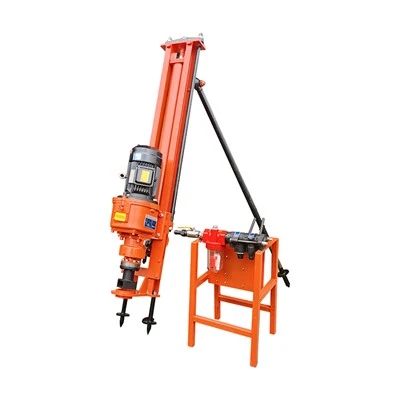
Our Geological Hydraulic Core Drilling Rig is a great option for frozen ground. It's got a powerful hydraulic system that can generate a lot of force, which is crucial for breaking through the hard, frozen layers. The hydraulic system allows for precise control of the drilling process, so we can adjust the pressure and speed as needed.
Another important factor is the type of drill bit. In frozen ground, we can't just use any old drill bit. We need a bit that's designed to handle the extreme conditions. A tungsten carbide or diamond-tipped bit is often a good choice. These bits are extremely hard and can withstand the high pressures and abrasion that come with drilling in frozen ground.
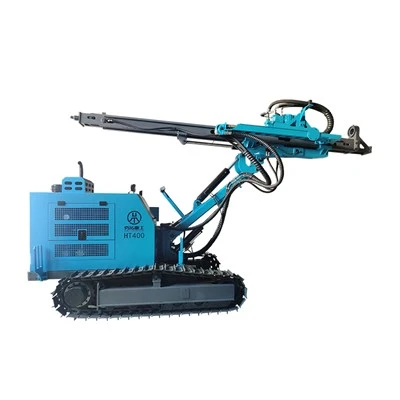
The depth of the frozen layer also matters. If the frozen layer is relatively shallow, say a few meters deep, it might be a bit easier to drill through. But if it's deeper, we need to be extra careful. As we drill deeper, the temperature might change, and the ground conditions can become more variable. Our 500m Portable Reverse Circulation Geological Exploration Drilling Machine is capable of reaching significant depths, making it suitable for more complex projects in frozen ground.
One technique that can be useful in frozen ground is pre - heating. By using a heating element or a hot fluid, we can warm up the ground around the drill site. This softens the frozen soil and makes it easier to drill. However, this method can be time - consuming and expensive, so it's not always the best option.
We also need to think about the logistics of working in cold environments. Our equipment needs to be properly maintained and protected from the cold. We might need to use special lubricants that can withstand low temperatures, and we need to make sure the rig's engine and other components are insulated to prevent them from freezing up.
In some cases, we might need to use a combination of different drilling methods. For example, we could start with a larger - diameter drill to break through the surface layer and then switch to a smaller - diameter core drill to extract the samples. This can help reduce the amount of force required and make the drilling process more efficient.
Our Geological Exploration machine is another great choice for frozen ground. It has a mechanical top - drive system that provides a lot of torque, which is essential for drilling through hard materials. The wireline core drilling technology allows for quick and easy retrieval of the core samples, even in challenging conditions.
Of course, using a core drilling rig in frozen ground comes with its risks. There's a higher chance of the drill bit getting stuck or damaged, and the rig itself might experience more wear and tear. That's why it's so important to have an experienced team operating the rig. Our technicians are trained to handle these types of situations and can make the necessary adjustments to ensure a successful drilling operation.


In conclusion, yes, a core drilling rig can be used in frozen ground. But it requires careful planning, the right equipment, and an experienced team. Our range of core drilling rigs, like the Geological Hydraulic Core Drilling Rig, 500m Portable Reverse Circulation Geological Exploration Drilling Machine, and Geological Exploration machine, are designed to handle the challenges of frozen ground and can provide reliable performance.
If you're thinking about a drilling project in frozen ground or any other challenging environment, don't hesitate to get in touch. We're here to help you choose the right equipment and provide the support you need for a successful project. Let's work together to make your drilling goals a reality.
References
- "Drilling in Cold Regions: Challenges and Solutions" - Journal of Geotechnical Engineering
- "Core Drilling Techniques for Extreme Environments" - International Drilling Association Publications