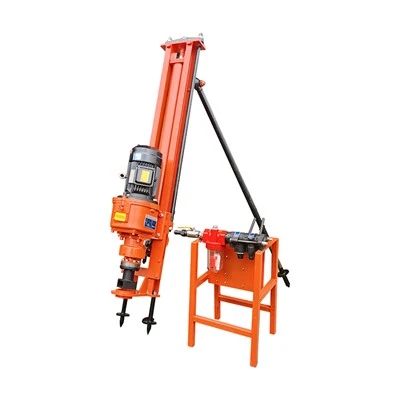
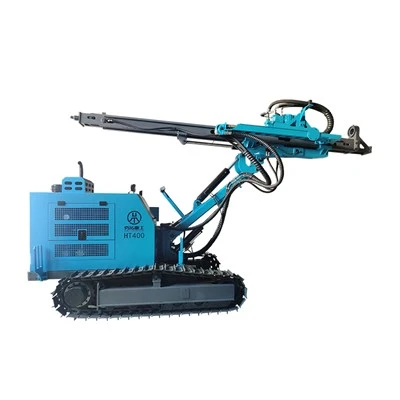
As a supplier of drilling rods, I've witnessed firsthand the challenges that come with ensuring the longevity and reliability of these essential tools. A broken drilling rod can lead to significant downtime, increased costs, and potential safety hazards on the job site. In this blog post, I'll share some valuable insights and practical tips on how to prevent a drilling rod from breaking, based on my years of experience in the industry.
Understanding the Causes of Drilling Rod Breakage
Before we delve into prevention strategies, it's crucial to understand the common causes of drilling rod breakage. By identifying these factors, we can take proactive measures to mitigate the risks and extend the lifespan of our drilling rods.
1. Fatigue Failure
Fatigue failure is one of the most prevalent causes of drilling rod breakage. Over time, repeated stress cycles from the drilling process can cause microscopic cracks to form in the rod's material. These cracks gradually grow and eventually lead to catastrophic failure. Factors that contribute to fatigue failure include high drilling speeds, excessive vibration, and improper rod handling.
2. Corrosion
Corrosion can significantly weaken the structural integrity of a drilling rod. Exposure to moisture, chemicals, and harsh environmental conditions can cause rust and corrosion to develop on the rod's surface. As the corrosion progresses, it can penetrate the rod's material, leading to pitting, cracking, and ultimately, breakage.
3. Improper Installation and Alignment
Incorrect installation and alignment of the drilling rod can also lead to breakage. If the rod is not properly secured or aligned with the drilling equipment, it can experience uneven stress distribution, which can cause it to bend or break. Additionally, using the wrong type of rod or adapter for the specific drilling application can increase the risk of breakage.
4. Overloading
Overloading the drilling rod by applying excessive force or torque can cause it to exceed its maximum capacity and break. This can occur when the drilling equipment is not properly calibrated or when the operator attempts to drill through harder materials than the rod is designed to handle.
Preventive Measures to Avoid Drilling Rod Breakage
Now that we understand the common causes of drilling rod breakage, let's explore some preventive measures that can help us avoid these issues and ensure the safe and efficient operation of our drilling equipment.
1. Choose the Right Drilling Rod
Selecting the appropriate drilling rod for the specific application is crucial for preventing breakage. Consider factors such as the type of material being drilled, the drilling method, and the equipment being used. For example, Mining Drill Rods are designed specifically for mining applications and are made from high-quality materials that can withstand the harsh conditions of underground mining. Similarly, Steel Drill Rod is a popular choice for general drilling applications due to its strength and durability.
2. Inspect the Drilling Rod Regularly
Regular inspections of the drilling rod are essential for detecting signs of wear, damage, or corrosion. Before each use, visually inspect the rod for any cracks, bends, or signs of corrosion. Check the thread connections for tightness and ensure that the rod is properly aligned with the drilling equipment. If any issues are detected, replace the rod immediately to prevent breakage.
3. Maintain Proper Lubrication
Proper lubrication is crucial for reducing friction and wear on the drilling rod. Use a high-quality lubricant that is specifically designed for drilling applications to ensure optimal performance and protection. Apply the lubricant regularly to the rod's surface and thread connections to prevent corrosion and reduce the risk of breakage.
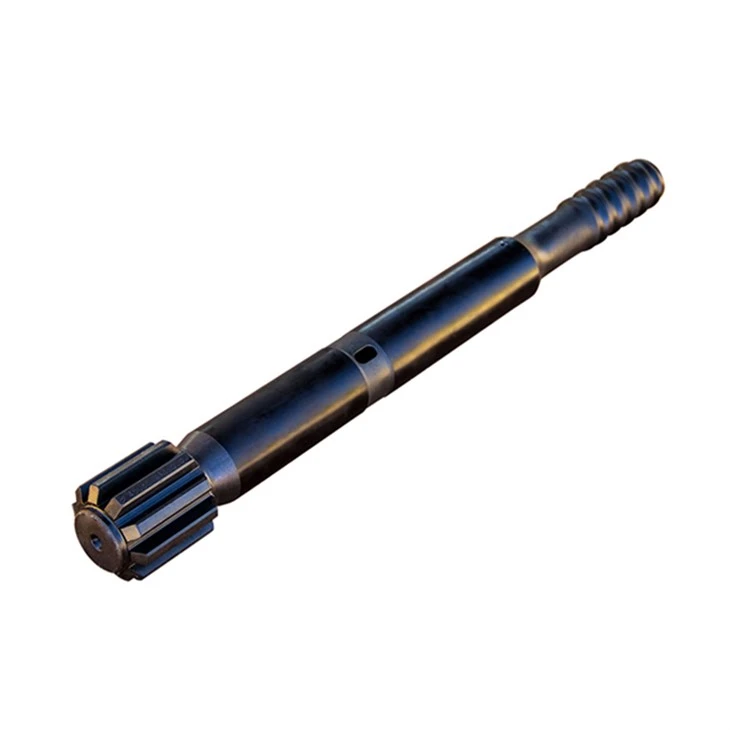

4. Avoid Overloading the Drilling Rod
To prevent overloading the drilling rod, ensure that the drilling equipment is properly calibrated and that the operator is trained to use the equipment correctly. Avoid applying excessive force or torque to the rod, especially when drilling through harder materials. If the rod starts to experience excessive vibration or resistance, stop the drilling process immediately and assess the situation.
5. Use the Correct Shank Adapter
Using the correct Shank Adapter is essential for ensuring proper alignment and connection between the drilling rod and the drilling equipment. Make sure that the shank adapter is compatible with the rod and the equipment and that it is installed correctly. A loose or misaligned shank adapter can cause uneven stress distribution and increase the risk of breakage.
6. Store the Drilling Rod Properly
Proper storage of the drilling rod is important for preventing damage and corrosion. Store the rod in a dry, clean environment away from moisture, chemicals, and other contaminants. Use a rack or storage container to keep the rod organized and protected. If the rod is not going to be used for an extended period of time, apply a protective coating to prevent corrosion.
Training and Education
In addition to implementing the preventive measures outlined above, it's important to provide training and education to the operators and maintenance personnel who work with the drilling equipment. Proper training can help them understand the importance of preventing drilling rod breakage and teach them how to use the equipment correctly. Training should include topics such as equipment operation, maintenance procedures, safety protocols, and the proper handling and storage of the drilling rod.
Conclusion
Preventing a drilling rod from breaking is essential for ensuring the safe and efficient operation of drilling equipment. By understanding the common causes of breakage and implementing the preventive measures outlined in this blog post, we can significantly reduce the risk of downtime, costs, and safety hazards associated with broken drilling rods. As a drilling rod supplier, I'm committed to providing high-quality products and expert advice to help our customers achieve optimal performance and reliability from their drilling equipment. If you have any questions or need assistance with choosing the right drilling rod for your application, please don't hesitate to contact us. We're here to help you succeed.
References
- Smith, J. (2020). Drilling Rod Failure Analysis and Prevention. Journal of Drilling Technology, 45(2), 123-135.
- Johnson, R. (2019). Best Practices for Drilling Rod Maintenance and Inspection. Drilling Industry Magazine, 32(4), 56-63.
- Brown, A. (2018). The Importance of Proper Lubrication in Drilling Applications. Lubrication Engineering, 74(6), 45-52.