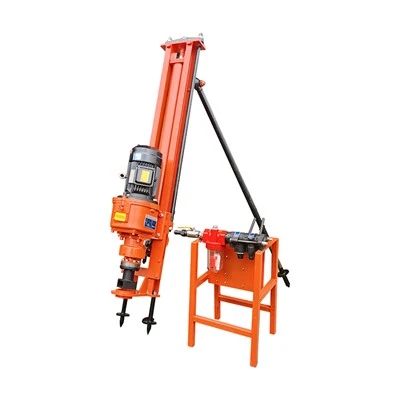
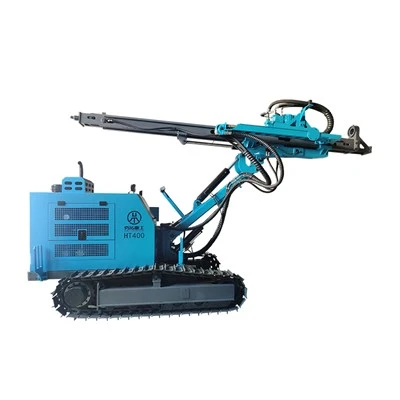
As a supplier of water well drilling equipment, I've encountered numerous inquiries regarding the maintenance cost of such machinery. It's a crucial topic for anyone involved in the water well drilling industry, whether you're a small - scale contractor or a large - scale drilling company. Understanding these costs can help in budgeting, planning, and ensuring the long - term efficiency of your operations.
1. Components Affecting Maintenance Cost
Drill Bit
The drill bit is one of the most critical components of water well drilling equipment. It bears the brunt of the drilling process, constantly in contact with the ground. The type of drill bit you use, such as a diamond - tipped bit or a carbide - tipped bit, can significantly impact maintenance costs. Diamond - tipped bits are more expensive initially but tend to last longer and require less frequent replacement, especially when drilling through hard rock formations. On the other hand, carbide - tipped bits are more affordable but may need to be replaced more often, increasing the overall maintenance cost over time.
The cost of a new drill bit can range from a few hundred dollars to several thousand dollars, depending on its size, material, and the complexity of its design. Additionally, sharpening or re - tipping the drill bit is a regular maintenance task that incurs a cost. Professional sharpening services typically charge based on the size and type of the bit, with prices ranging from $50 to $200 per bit.
Drilling Rods
Drilling rods are used to transfer the drilling force from the rig to the drill bit. They are subject to significant stress during the drilling process, including torsion, compression, and bending. Over time, drilling rods can develop wear and tear, such as cracks, corrosion, or thread damage.
Inspecting and maintaining drilling rods is essential. Regular inspection involves checking for visual signs of damage, measuring the diameter of the rods to detect wear, and testing the integrity of the threads. Replacing a damaged drilling rod can be costly, as the price of a single rod can range from $100 to $500, depending on its length, diameter, and material. Moreover, if a damaged rod is not detected early, it can cause further damage to other components of the drilling equipment, increasing the overall maintenance cost.
Hydraulic System
Most modern water well drilling equipment, like the groundwater drilling rig, relies on a hydraulic system to power various functions, such as the rotation of the drill bit, the raising and lowering of the drilling rod, and the movement of the rig. The hydraulic system consists of pumps, valves, hoses, and cylinders, all of which require regular maintenance.

Hydraulic fluid needs to be changed at regular intervals to prevent contamination and ensure proper lubrication. The cost of hydraulic fluid varies depending on the type and quantity required, but it can range from $20 to $50 per gallon. Additionally, hydraulic hoses are prone to wear and tear and may need to be replaced periodically. A single hydraulic hose can cost anywhere from $50 to $200, depending on its length and diameter.
Engine
The engine is the power source of the water well drilling equipment. Whether it's a diesel engine or a gasoline engine, it requires regular maintenance to ensure optimal performance. Routine maintenance tasks include oil changes, filter replacements, and spark plug checks (for gasoline engines).
The cost of engine oil and filters can vary depending on the engine size and the brand of the oil and filters. On average, an oil change for a medium - sized drilling rig engine can cost between $100 and $300. In addition, if the engine experiences more significant problems, such as a blown head gasket or a faulty fuel injector, the repair cost can be substantial, often ranging from $1000 to $5000 or more.
2. Frequency of Maintenance
The frequency of maintenance also plays a significant role in determining the overall maintenance cost. Generally, water well drilling equipment should undergo daily, weekly, monthly, and annual maintenance checks.
Daily Maintenance
Daily maintenance tasks are relatively simple and quick but are crucial for the safety and efficiency of the equipment. These tasks include checking the oil and fuel levels, inspecting the hydraulic hoses for leaks, and ensuring that all safety devices are in working order. The cost of daily maintenance is relatively low, mainly consisting of the cost of the fluids and a small amount of labor time.
Weekly Maintenance
Weekly maintenance involves more in - depth checks, such as inspecting the drill bit for wear, checking the tension of the drive belts, and cleaning the air filters. The cost of weekly maintenance is slightly higher than daily maintenance, as it may involve the replacement of small parts, such as air filters, which can cost between $20 and $50.
Monthly Maintenance
Monthly maintenance tasks include more comprehensive inspections, such as checking the alignment of the drilling rig, testing the hydraulic system's pressure, and inspecting the electrical system. This level of maintenance may require more specialized tools and expertise, increasing the labor cost. The total cost of monthly maintenance can range from $200 to $500, depending on the equipment's complexity and the extent of the inspections.
Annual Maintenance
Annual maintenance is the most extensive and expensive. It involves a complete overhaul of the equipment, including disassembling and inspecting major components, such as the engine, the hydraulic system, and the drilling mechanism. Annual maintenance may also include the replacement of worn - out parts, such as bearings, seals, and gaskets. The cost of annual maintenance can range from $2000 to $5000 or more, depending on the size and type of the water well drilling equipment.
3. Factors Influencing Maintenance Cost Variability
Operating Environment
The operating environment has a significant impact on the maintenance cost of water well drilling equipment. Drilling in harsh environments, such as areas with high humidity, extreme temperatures, or abrasive soil conditions, can accelerate the wear and tear of the equipment. For example, drilling in a coastal area with high salt content in the air can cause corrosion of the metal components, leading to more frequent replacement of parts.
Usage Intensity
The intensity of equipment usage also affects maintenance costs. If the water well drilling equipment is used continuously for long hours, it will experience more stress and wear compared to equipment that is used intermittently. A drilling rig that operates 24 hours a day, seven days a week will require more frequent maintenance and part replacements than one that is used only a few days a month.
Operator Skill and Training
The skill and training of the equipment operator can also influence maintenance costs. A well - trained operator is more likely to follow proper operating procedures, which can reduce the risk of equipment damage. For example, an experienced operator will know how to adjust the drilling parameters correctly to avoid overloading the equipment, thereby extending its lifespan and reducing maintenance costs.
4. Cost - Saving Strategies
Preventive Maintenance
Implementing a preventive maintenance program is one of the most effective ways to reduce maintenance costs in the long run. By performing regular inspections and maintenance tasks, potential problems can be detected and addressed before they become major issues. This can prevent costly breakdowns and extend the lifespan of the equipment.
Quality Parts and Components
Investing in high - quality parts and components may seem more expensive initially, but it can save money in the long term. High - quality parts are more durable and less likely to fail, reducing the frequency of replacements and repairs. For example, using a high - quality hydraulic hose can last longer and resist wear and tear better than a cheaper alternative.
Training and Education
Providing proper training and education to equipment operators can also help reduce maintenance costs. Operators should be trained on how to operate the equipment correctly, perform basic maintenance tasks, and identify potential problems. This can improve the efficiency of the equipment and reduce the risk of damage caused by improper operation.
5. Conclusion
In conclusion, the maintenance cost of water well drilling equipment is influenced by various factors, including the components of the equipment, the frequency of maintenance, the operating environment, the usage intensity, and the operator's skill. As a supplier of water well drilling equipment, I understand the importance of providing reliable and cost - effective solutions to our customers. We offer a range of products, such as the 200m Water Well Drilling Rig and the Truck - mounted Water Well drilling Rig, and can provide guidance on maintenance to help you manage your costs effectively.
If you're in the market for water well drilling equipment or need more information about maintenance costs, I encourage you to reach out to us. We're here to assist you in making the right choices for your drilling operations and to ensure that your equipment runs smoothly and efficiently.

References
- Drilling Equipment Maintenance Handbook, Industry Standard Publications
- Journal of Drilling Technology, various issues on equipment maintenance
- Manufacturer's manuals for water well drilling equipment