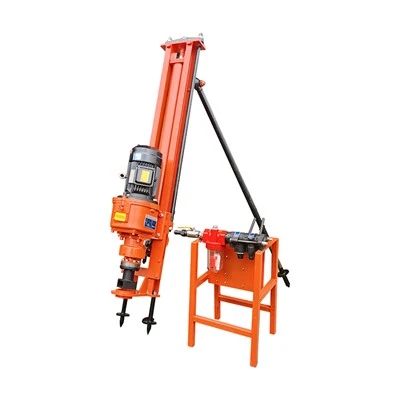
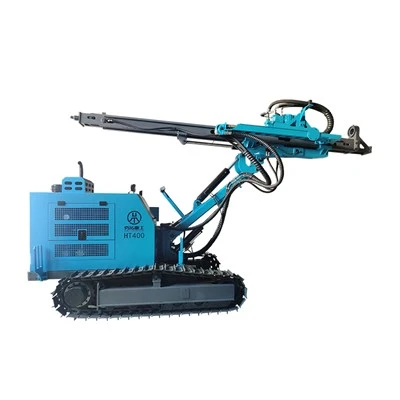
Hey there! As a supplier of water well drill rig trucks, I've seen firsthand how crucial it is to keep the hydraulic system in top - notch condition. Adjusting the pressure of the hydraulic system on a water well drill rig truck isn't just a technical task; it's an art that can significantly impact the performance and lifespan of your rig.
Understanding the Basics of the Hydraulic System
Before we dive into how to adjust the pressure, let's quickly go over what the hydraulic system in a water well drill rig truck does. The hydraulic system is like the muscle of the rig. It uses pressurized fluid to power various components such as the drill bit rotation, the mast movement, and the winch operation.
There are a few key parts you need to know about. The hydraulic pump is responsible for generating the pressure by pushing the hydraulic fluid through the system. The pressure relief valve acts as a safety mechanism. It releases excess pressure to prevent damage to the system. And then there are the actuators, like cylinders and motors, which convert the hydraulic energy into mechanical movement.
Why Pressure Adjustment is Necessary
Over time, the pressure in the hydraulic system can change due to several reasons. Wear and tear on the components can cause leaks, which in turn can lead to a drop in pressure. Also, different drilling conditions may require different pressure settings. For example, when drilling through hard rock, you'll need higher pressure to drive the drill bit effectively. If the pressure is too low, the drill bit won't penetrate the ground properly, and you'll waste a lot of time and energy. On the other hand, if the pressure is too high, it can cause excessive stress on the components, leading to premature failure.
Tools You'll Need
Before you start adjusting the pressure, make sure you have the right tools. You'll need a pressure gauge to measure the current pressure in the system. A set of wrenches will come in handy for loosening and tightening the adjustment screws. And don't forget safety gear like gloves and goggles, as hydraulic fluid can be messy and potentially harmful if it gets on your skin or in your eyes.

Step - by - Step Pressure Adjustment
- Shut Down the Rig and Release Pressure
First things first, turn off the water well drill rig truck. This is crucial for your safety. Then, you need to release the pressure in the hydraulic system. You can do this by operating the control valves to move the actuators to their neutral positions. This will allow the hydraulic fluid to flow back to the reservoir, reducing the pressure. - Locate the Pressure Relief Valve
The pressure relief valve is usually located near the hydraulic pump. It's a small, often cylindrical component with an adjustment screw on top. This screw is what you'll use to change the pressure setting. - Connect the Pressure Gauge
Attach the pressure gauge to a test port in the hydraulic system. This will allow you to monitor the pressure as you make adjustments. Make sure the connection is tight to prevent any fluid leaks. - Start the Rig and Check the Initial Pressure
Start the water well drill rig truck and let the hydraulic system warm up for a few minutes. Then, check the pressure on the gauge. Compare this reading with the manufacturer's recommended pressure for your specific drilling conditions. If the pressure is too high or too low, it's time to make an adjustment. - Adjust the Pressure
Using a wrench, turn the adjustment screw on the pressure relief valve. Turning the screw clockwise will increase the pressure, while turning it counter - clockwise will decrease the pressure. Make small adjustments, usually a quarter - turn at a time, and then check the pressure on the gauge again. Keep doing this until you reach the desired pressure. - Test the System
Once you've set the pressure, run the rig through its normal operations. Check if the drill bit is rotating smoothly, the mast is moving correctly, and the winch is working as it should. If everything seems to be in order, you've successfully adjusted the pressure. But if you notice any issues, like unusual noises or jerky movements, you may need to go back and make further adjustments.
Common Mistakes to Avoid
One common mistake is making large adjustments all at once. This can lead to over - pressurizing or under - pressurizing the system, which can cause damage. Another mistake is not checking the pressure regularly. The pressure can change over time, so it's important to monitor it frequently, especially after long - term use or when changing drilling locations.
Tips for Maintaining the Hydraulic System
To keep your hydraulic system in good shape, make sure to use the right type of hydraulic fluid. Check the fluid level regularly and top it up if necessary. Also, change the hydraulic filter at the recommended intervals to prevent contaminants from entering the system.
As a water well drill rig truck supplier, I know how important it is to have a well - functioning hydraulic system. If you're in the market for a new water well drilling machine or a Truck - mounted Water Well drilling Rig, we've got you covered. Our truck mounted water well drilling rig is designed to be reliable and easy to maintain.

If you have any questions about adjusting the pressure of the hydraulic system or about our products in general, don't hesitate to reach out. We're here to help you make the most of your water well drilling operations. Whether you're a seasoned pro or just starting out in the industry, we can provide you with the support and equipment you need.
References
- Hydraulic Systems Handbook, Third Edition by David Crolla
- Drilling Rig Operations Manuals from various manufacturers