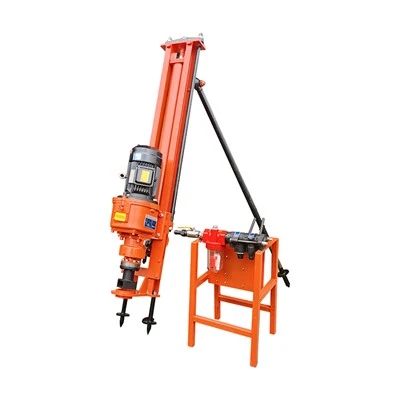
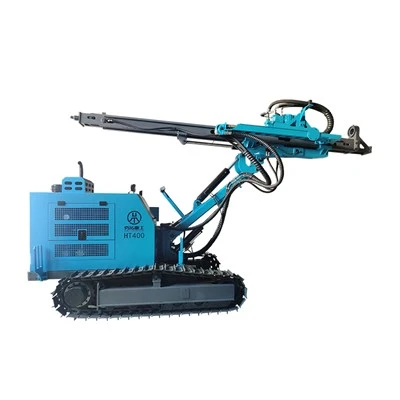
Hey there! I'm a supplier of water well drilling equipment, and today I wanna chat about how our gear deals with groundwater flow. Groundwater flow is a big deal when it comes to drilling water wells. It can throw a lot of challenges our way, but with the right equipment and know - how, we can handle it like pros.

First off, let's understand what groundwater flow is. Groundwater moves through the pores and fractures in the rock and soil. The speed and direction of this flow depend on a bunch of factors, like the permeability of the ground, the hydraulic gradient, and the presence of any barriers or conduits. When we're drilling a water well, we need to account for this flow to make sure we get a good, sustainable water source.
One of the key pieces of equipment we offer is the truck mounted water well drilling rig. This rig is super versatile and can be a real game - changer when dealing with groundwater flow. The mobility of the truck - mounted rig allows us to quickly get to the drilling site. Once there, it can start drilling with precision. When we encounter groundwater flow, the rig's powerful drilling mechanism can cut through different soil and rock layers. It has a strong enough force to penetrate even in areas where the groundwater is flowing fast, which could otherwise make it difficult to keep the drill bit in place.
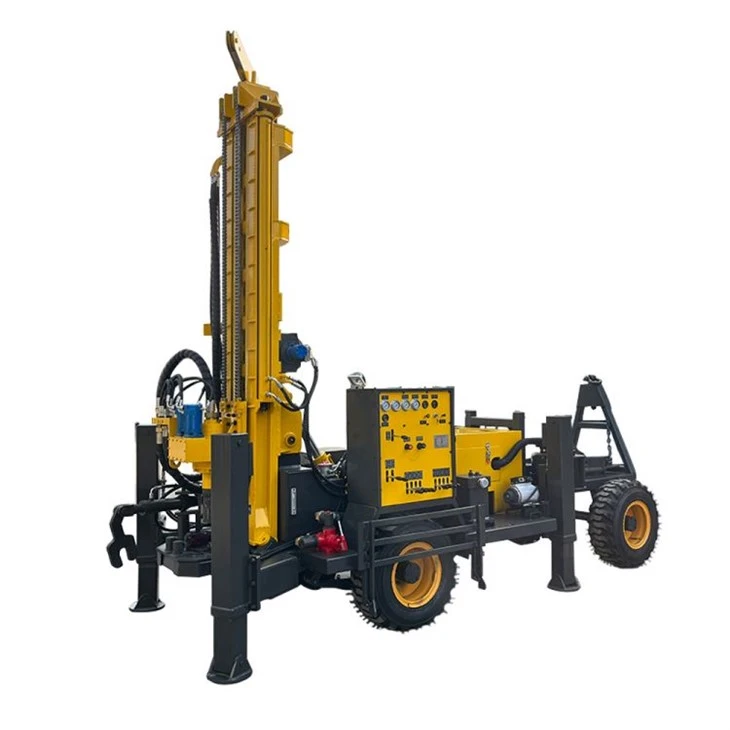
The Tractor Mounted Water Well Drilling Rig is another great option. This rig is especially useful in areas where the terrain is a bit rough or where access is limited. When dealing with groundwater flow, the tractor - mounted rig provides stability. The tractor's weight and traction help keep the rig steady, even when the ground beneath is affected by the flowing water. This stability is crucial because it allows the drill to go straight down, reducing the risk of the well deviating due to the forces exerted by the groundwater flow.
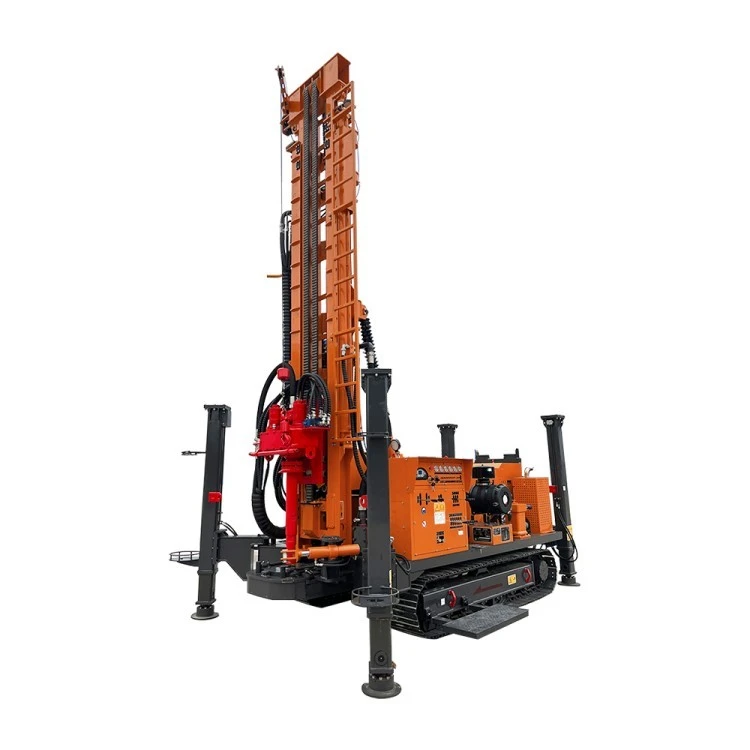
Now, let's talk about the Deep water well drilling machine. When we're going deep for water, the groundwater flow can be more complex. There might be different layers of water flowing at different speeds and directions. The deep - water well drilling machine is designed to handle these challenges. It has advanced control systems that can adjust the drilling speed and pressure based on the conditions. For example, if the groundwater flow is causing the drill bit to spin too fast or too slow, the machine can make real - time adjustments.
One of the ways we deal with groundwater flow during drilling is by using casing. Casing is a pipe that we insert into the well as we drill. It serves several purposes when it comes to groundwater flow. First, it helps to prevent the collapse of the well walls, which can be a problem when the flowing water erodes the soil around the well. Second, it can help to isolate different layers of groundwater. If there are multiple layers of water with different qualities or flow rates, the casing can separate them, allowing us to access the most suitable water source.
Another important aspect is the use of mud. Drilling mud is a mixture of water, clay, and other additives. It plays a crucial role in dealing with groundwater flow. The mud creates a pressure in the wellbore that counteracts the pressure of the flowing groundwater. This helps to keep the water from flowing into the well too quickly and causing problems like a blowout. The mud also helps to carry the cuttings (the pieces of rock and soil that are removed during drilling) to the surface.
We also rely on our expertise and experience. Our team of technicians has years of experience in dealing with different groundwater flow scenarios. They know how to read the signs in the drilling data. For example, if the drilling speed suddenly changes or if there's an unexpected increase in the amount of water coming out of the well, they can tell that there might be a change in the groundwater flow. Based on these signs, they can make adjustments to the drilling process.
When it comes to choosing the right equipment for a specific groundwater flow situation, we take a lot of factors into account. The depth of the well, the type of soil and rock, and the speed and direction of the groundwater flow all play a role. We work closely with our customers to understand their needs and recommend the best equipment for the job.
In some cases, we might need to do some pre - drilling investigations. This could involve using geophysical methods to map the groundwater flow patterns. By understanding where the water is flowing and at what speed, we can plan the drilling process more effectively. For example, if we know that there's a fast - flowing aquifer at a certain depth, we can adjust the drilling parameters and the type of equipment we use accordingly.
Once the well is drilled, we also need to consider how the groundwater flow will affect the long - term performance of the well. We might need to install a pump system that can handle the flow rate of the water. If the groundwater flow is too high, the pump needs to be powerful enough to lift the water to the surface without being overwhelmed. On the other hand, if the flow is too low, we might need to find ways to increase the well's yield, such as by using a well development technique.

So, as you can see, dealing with groundwater flow is a complex but manageable task when you have the right water well drilling equipment and expertise. Whether you're looking to drill a shallow well for a small farm or a deep well for a large - scale water supply project, we've got the equipment and the know - how to get the job done right.
If you're in the market for water well drilling equipment or if you have any questions about dealing with groundwater flow, don't hesitate to reach out. We're here to help you choose the best equipment for your project and make sure your water well is a success.
References
- "Groundwater Hydrology" by C. W. Fetter
- "Water Well Drilling Manual" by the National Ground Water Association