Hey there! As a supplier of core drilling rigs, I've gotten tons of questions about the different parts and their functions. One part that often gets a lot of curiosity is the swivel in a core drilling rig. So, let's dive right in and talk about what the heck this swivel thing does.
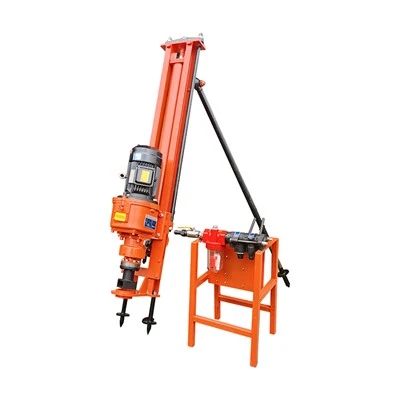
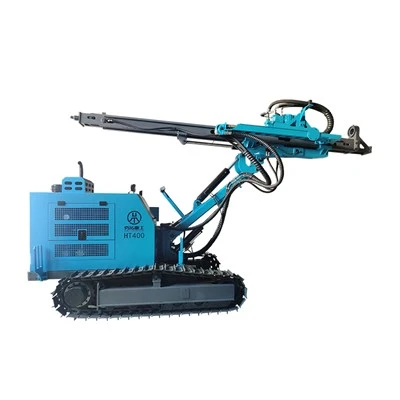
First off, if you're in the market for a core drilling rig, check out our Geological Exploration machine, Portable Core Drilling Rig, and Rock Core Drill. They're top - notch and come with all the essential parts working in harmony, including the swivel.
The swivel is a crucial component in a core drilling rig. Picture this: when you're drilling deep into the earth, you need to keep the drill string turning smoothly while also supplying it with drilling fluid. That's where the swivel steps in.
One of the main functions of the swivel is to allow the drill string to rotate freely. The drill string is basically a series of connected drill pipes that go down into the borehole. Without the swivel, it would be a real pain to keep this long string spinning. The swivel acts as a kind of joint that enables the upper part of the drilling system (which is usually stationary or moving in a different way) and the rotating drill string to work together. It's like a well - oiled hinge that lets the drill string do its thing without getting all tangled up.
Another super important job of the swivel is to transfer drilling fluid from the surface to the drill bit. Drilling fluid, also known as drilling mud, is like the lifeblood of a core drilling operation. It has several functions itself. For starters, it helps to cool and lubricate the drill bit. Drilling into hard rock generates a ton of heat, and if the drill bit gets too hot, it can wear out quickly or even break. The drilling fluid flowing through the swivel and down the drill string to the bit keeps it cool and reduces friction, so it lasts longer and does a better job.
The drilling fluid also helps to carry the cuttings (the bits of rock that are broken off during drilling) back to the surface. As the fluid is pumped down through the swivel and out of the drill bit, it picks up these cuttings and then flows back up the annulus (the space between the drill string and the borehole wall). This is crucial because if the cuttings aren't removed, they can build up in the borehole, causing blockages and making it harder to drill.
The swivel has a special design to handle this fluid transfer. It has a central passageway that allows the drilling fluid to flow through it. The seals in the swivel are super important here. They prevent the fluid from leaking out while the drill string is rotating. If the seals are no good, you'll have a mess on your hands, with fluid leaking everywhere and not doing its job properly.
Now, let's talk about the construction of the swivel. It's usually made up of a top sub, a body, and a lower sub. The top sub connects to the kelly or the top drive of the drilling rig. The kelly is a square or hexagonal pipe that's used to transmit torque from the rotary table or top drive to the drill string. The top sub of the swivel is designed to fit securely onto the kelly or top drive, so the power can be transferred smoothly.
The body of the swivel is where most of the action happens. It houses the bearings that allow the drill string to rotate. These bearings need to be really high - quality because they have to withstand a lot of stress. The body also contains the seals that I mentioned earlier. These seals are made of special materials that can handle the pressure and the abrasive nature of the drilling fluid.
The lower sub of the swivel connects to the drill string. It's designed to make a tight connection so that the drill string can rotate as one unit. The connection has to be strong enough to handle the weight of the drill string and the forces generated during drilling.
The swivel also plays a role in handling the weight of the drill string. When you're drilling, the drill string can be really heavy, especially when you're going deep. The swivel helps to support this weight and transfer it to the derrick or mast of the drilling rig. It's like a weight - bearing bridge that keeps everything in balance.
In addition to these mechanical functions, the swivel also affects the overall safety of the drilling operation. If the swivel fails, it can lead to all sorts of problems. For example, if the seals break and the drilling fluid leaks, it can create a slippery and dangerous work environment. Also, if the swivel can't support the weight of the drill string properly, the drill string could collapse or fall, which is extremely hazardous for the workers on site.
Let's look at some real - world scenarios where the swivel's functions are put to the test. Suppose you're drilling in a mining area. You need to get core samples from deep underground to analyze the mineral content. The swivel ensures that the drill string rotates smoothly as you're going through different layers of rock. And as you're dealing with different types of rock, the drilling fluid transferred by the swivel helps to adapt to these changes. For harder rocks, you might need a different type of drilling fluid with more lubricating properties, and the swivel makes sure it gets to the bit.
Or let's say you're doing a geothermal drilling project. You're trying to reach hot rocks deep underground to harness geothermal energy. The swivel here is essential for keeping the drill bit cool, as the temperatures down there can be extremely high. The drilling fluid transferred through the swivel helps to manage the heat and keep the drilling process going.
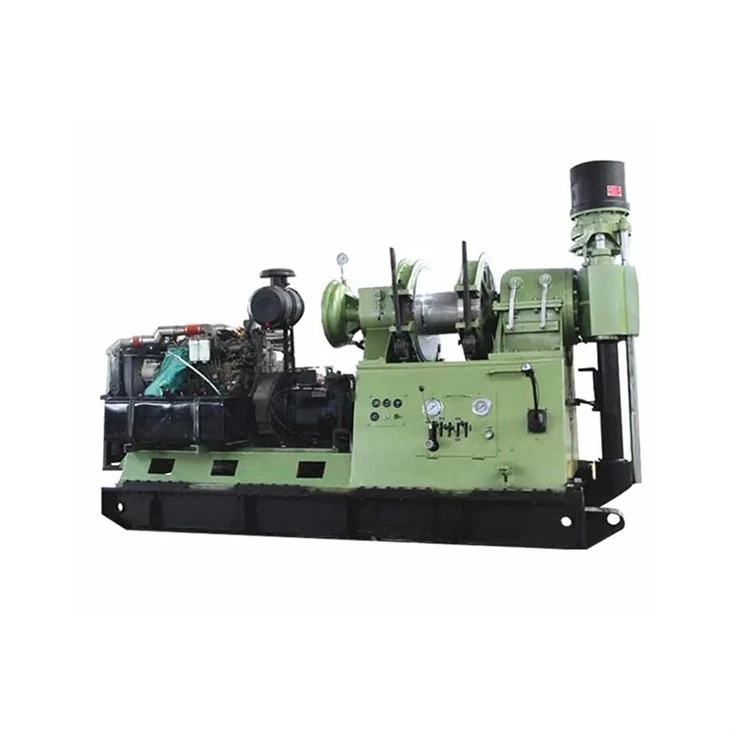

As a core drilling rig supplier, we make sure that the swivels we provide are of the highest quality. We test them rigorously to ensure that they can withstand the toughest drilling conditions. Whether you're a small - scale exploration company or a large - scale mining operation, having a reliable swivel in your drilling rig is a must.
If you're interested in learning more about our core drilling rigs, including how the swivel and other components work together, or if you're thinking about making a purchase, don't hesitate to reach out. We're always happy to have a chat and discuss how our products can meet your specific drilling needs.
References
- Drilling Engineering Handbook, various authors.
- Core Drilling Technology Manual, industry - specific publication.