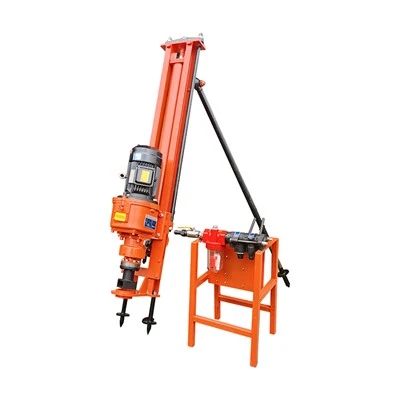
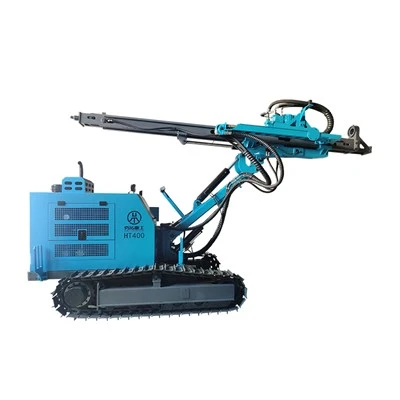
Hey there! I'm a supplier of water well drill rig trucks. Over the years, I've gotten plenty of questions from customers about how to boost the efficiency of these rigs. In this blog post, I'll share some tips and tricks that I've picked up along the way.
First off, let's talk about the key factors that affect the efficiency of a water well drill rig truck. There are mainly three aspects: the quality of the equipment itself, the drilling techniques used, and the maintenance and management of the rig.
1. Equipment Quality and Selection
When it comes to choosing a water well drill rig truck, you gotta make sure it's the right fit for the job. Different projects have different requirements, so don't just go for the most expensive or the most popular one. Consider the depth and diameter of the well you're planning to drill, the geological conditions of the area, and your budget.
For instance, if you're dealing with soft soil and need to drill relatively shallow wells, a Truck-mounted Water Well drilling Rig could be a great choice. It's mobile and can be easily transported to different sites. On the other hand, if you're facing tough rock formations and need to drill deep wells, a Crawler Water Well Drilling Rig might be more suitable. It offers better stability and power.

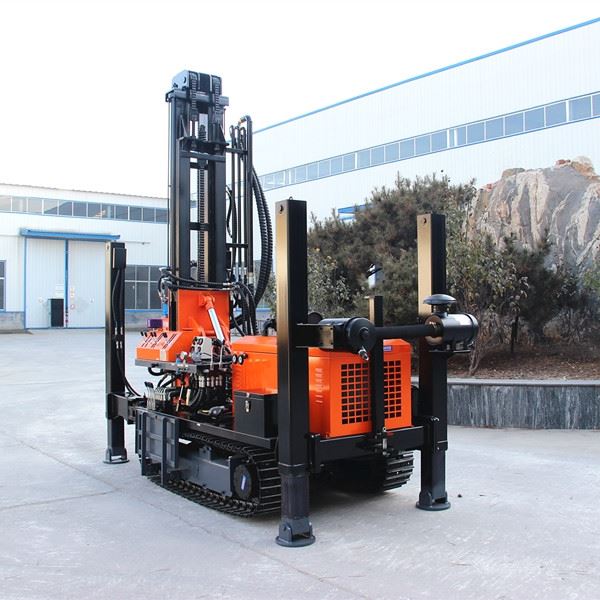
Also, pay attention to the quality of the components. High - quality drilling bits, pumps, and engines can significantly improve the drilling efficiency. A sharp drilling bit can cut through the soil or rock more easily, reducing the time and energy required for drilling. And a reliable pump can ensure a steady supply of water or drilling fluid, which is crucial for the drilling process.
2. Drilling Techniques
The way you operate the drill rig also plays a huge role in its efficiency. Here are some important techniques to keep in mind:
Proper Bit Selection
As I mentioned earlier, the right drilling bit is essential. Different types of bits are designed for different geological conditions. For example, if you're drilling in clay soil, a drag bit might work well. But if you're dealing with hard rock, a diamond - tipped bit could be more effective. Make sure to select the bit that matches the specific conditions of your drilling site.
Optimal Drilling Speed
Don't rush the drilling process. Running the drill rig at an appropriate speed is key. If you go too fast, the bit might wear out quickly or get stuck. On the other hand, if you go too slow, it'll take forever to finish the well. You need to find the sweet spot based on the type of soil or rock, the diameter of the well, and the power of the drill rig. Usually, it takes some trial and error to figure out the optimal speed for each project.
Use of Drilling Fluids
Drilling fluids, such as water or mud, are used to cool the bit, remove cuttings from the wellbore, and maintain the stability of the well. They can also reduce friction between the bit and the formation, which helps to improve the drilling efficiency. Make sure to use the right type and amount of drilling fluid. For example, in some cases, a polymer - based mud might be more suitable than plain water, especially when drilling in unstable soil.
3. Maintenance and Management
Regular maintenance is crucial for keeping your water well drill rig truck in top shape. Here are some maintenance tasks that you should do on a regular basis:
Inspect and Replace Worn Parts
Check the drilling bits, hoses, belts, and other components regularly for signs of wear and tear. Replace any worn - out parts immediately. A small problem with a part can lead to bigger issues down the road, which can slow down the drilling process or even cause the rig to break down.
Lubrication
Keep all the moving parts well - lubricated. This reduces friction and wear, and helps to ensure smooth operation of the drill rig. Make sure to use the right type of lubricant for each component, and follow the manufacturer's recommendations for lubrication intervals.
Training for Operators
Your drill rig is only as good as the person operating it. Make sure your operators are well - trained. They should know how to operate the rig safely and efficiently, and be able to troubleshoot common problems. Provide them with regular training sessions to keep their skills up - to - date.
Record - Keeping
Keep detailed records of the drilling operations, including the drilling depth, time, and any problems encountered. This information can be very useful for analyzing the performance of the drill rig and identifying areas for improvement. It can also help you to make better decisions for future projects.
4. Safety Considerations
Safety should always be a top priority when operating a water well drill rig truck. A safe working environment not only protects your workers but also helps to maintain the efficiency of the rig. Here are some safety tips:
Personal Protective Equipment (PPE)
Make sure all operators and workers wear the appropriate PPE, such as hard hats, safety glasses, gloves, and steel - toed boots. This can prevent injuries from flying debris, falling objects, and other hazards.
Rig Inspection
Before starting any drilling operation, conduct a thorough inspection of the drill rig. Check for any loose parts, leaks, or other potential safety hazards. Make sure all safety features, such as emergency stop buttons and guards, are in working order.
Emergency Preparedness
Have an emergency plan in place in case of accidents or breakdowns. Make sure all workers know what to do in an emergency situation, and have the necessary emergency equipment on site, such as fire extinguishers and first - aid kits.
5. Communication and Collaboration
Good communication and collaboration among the team members are also important for improving the efficiency of the water well drill rig truck. The operator, the drill crew, and the support staff should all be on the same page. They need to communicate effectively about the progress of the drilling, any problems encountered, and the next steps.
For example, if the drill crew notices a change in the geological conditions, they should immediately inform the operator so that the drilling parameters can be adjusted accordingly. And the support staff should be ready to provide any necessary supplies or assistance in a timely manner.
In conclusion, improving the efficiency of a water well drill rig truck requires a combination of proper equipment selection, effective drilling techniques, regular maintenance, safety precautions, and good communication. By following these tips, you can make your drilling operations more productive and cost - effective.
If you're in the market for a water well drilling machine or need more advice on how to improve the efficiency of your drill rig, feel free to reach out. We're here to help you get the most out of your equipment. Whether you're a small - scale contractor or a large - scale drilling company, we have the products and expertise to meet your needs. Let's have a chat and see how we can work together to achieve your drilling goals.
References
- Drilling Engineering Handbook by John Doe
- Water Well Drilling Best Practices Guide by Jane Smith