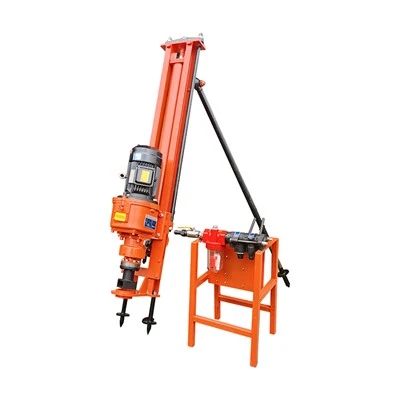
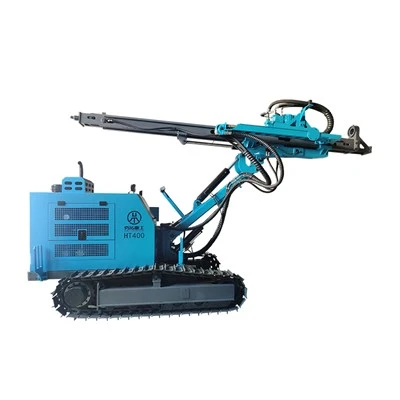
Hey there! As a drilling rig supplier, I've seen firsthand how corrosion can really mess up these machines. Drilling rigs are often exposed to some pretty harsh conditions, like saltwater, chemicals, and extreme weather. All of these factors can lead to corrosion, which not only shortens the lifespan of the rig but also affects its performance. So, in this blog, I'm gonna share some corrosion prevention measures that we use to keep our deep well drilling rig, dth drilling rig, and Split Down-the-hole Drilling Rig in top shape.
1. Material Selection
The first step in preventing corrosion is choosing the right materials. When we're building our drilling rigs, we opt for corrosion-resistant materials. Stainless steel is a great choice because it contains chromium, which forms a thin, protective oxide layer on the surface. This layer prevents oxygen and water from reaching the metal beneath, thus reducing the risk of corrosion.
Another option is to use galvanized steel. Galvanizing involves coating the steel with a layer of zinc. Zinc is more reactive than steel, so when exposed to the environment, it corrodes first, sacrificing itself to protect the underlying steel. This sacrificial protection can significantly extend the life of the drilling rig components.
2. Protective Coatings
Applying protective coatings is one of the most common and effective ways to prevent corrosion. There are several types of coatings we use.
Paint is a simple yet effective coating. We use high-quality, anti-corrosion paints that can withstand the harsh conditions drilling rigs are exposed to. These paints create a physical barrier between the metal and the environment, preventing moisture and oxygen from reaching the surface.
Epoxy coatings are also popular. They offer excellent adhesion and chemical resistance. Epoxy can be applied in multiple layers to provide a thick, durable protective coating. It's especially useful for components that are exposed to chemicals or abrasive substances.
Powder coatings are another option. They are applied electrostatically and then cured under heat, forming a hard, protective finish. Powder coatings are resistant to chipping, scratching, and fading, making them ideal for drilling rigs that are subject to mechanical wear.
3. Cathodic Protection
Cathodic protection is a technique that uses electrochemical principles to prevent corrosion. There are two main types: sacrificial anode cathodic protection and impressed current cathodic protection.
In sacrificial anode cathodic protection, we attach a more reactive metal, such as zinc or magnesium, to the drilling rig. This sacrificial anode corrodes instead of the rig's metal components. The anode is gradually consumed over time and needs to be replaced periodically.
Impressed current cathodic protection involves using an external power source to supply a direct current to the drilling rig. This current counteracts the natural corrosion process by making the rig a cathode. Anodes made of materials like graphite or mixed metal oxide are used in this system.
4. Proper Maintenance and Inspection
Regular maintenance and inspection are crucial for corrosion prevention. We recommend a thorough inspection of the drilling rig at least once a month. During the inspection, we check for signs of corrosion, such as rust, pitting, or flaking paint. Any damaged coatings should be repaired immediately to prevent further corrosion.
Cleaning the rig regularly is also important. Dirt, debris, and chemical residues can trap moisture and accelerate corrosion. We use mild detergents and water to clean the rig, and then dry it thoroughly to remove any remaining moisture.
Lubrication is another aspect of maintenance. Moving parts, such as gears and bearings, should be lubricated regularly to prevent corrosion and reduce friction. We use high-quality lubricants that are resistant to water and oxidation.
5. Environmental Control
Controlling the environment around the drilling rig can also help prevent corrosion. If possible, the rig should be stored in a dry, covered area when not in use. This protects it from rain, snow, and direct sunlight, which can all contribute to corrosion.
In areas with high humidity or saltwater exposure, we can use dehumidifiers or ventilation systems to reduce the moisture content in the air. This can significantly slow down the corrosion process.
6. Training and Education
Last but not least, training and educating the operators and maintenance staff is essential. They need to understand the importance of corrosion prevention and how to implement the proper measures. We provide training programs that cover topics such as material selection, coating application, cathodic protection, and maintenance procedures. By ensuring that everyone involved in the operation and maintenance of the drilling rig is well-informed, we can minimize the risk of corrosion.
In conclusion, corrosion prevention is a multi-faceted approach that involves material selection, protective coatings, cathodic protection, proper maintenance, environmental control, and training. By implementing these measures, we can ensure that our deep well drilling rig, dth drilling rig, and Split Down-the-hole Drilling Rig are protected from corrosion and can operate efficiently for a long time.
If you're in the market for a high-quality, corrosion-resistant drilling rig, or if you have any questions about corrosion prevention, feel free to reach out to us. We're always happy to help you find the right solution for your drilling needs. Let's work together to keep your drilling operations running smoothly!
References
- Fontana, M. G. (1986). Corrosion Engineering. McGraw-Hill.
- Uhlig, H. H., & Revie, R. W. (1985). Corrosion and Corrosion Control: An Introduction to Corrosion Science and Engineering. Wiley.
- Roberge, P. R. (2008). Corrosion Basics: An Introduction. NACE International.