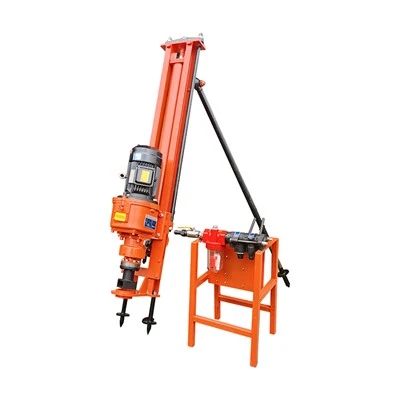
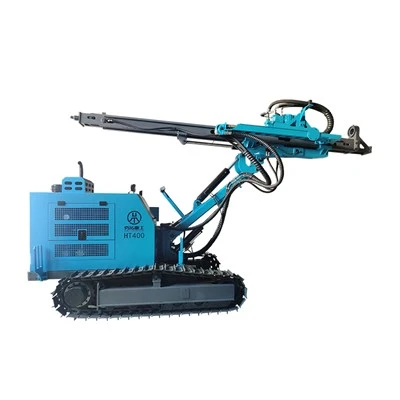
Down the hole (DTH) drilling is a widely used technique in various industries, including mining, construction, and geothermal energy exploration. As a DTH drilling supplier, I understand the importance of a reliable monitoring system in ensuring the efficiency, safety, and productivity of DTH drilling operations. In this blog post, I will delve into how the monitoring system works in DTH drilling, highlighting its components, functions, and benefits.
Components of the Monitoring System in DTH Drilling
The monitoring system in DTH drilling typically consists of several key components, each playing a crucial role in gathering and analyzing data related to the drilling process. These components include sensors, data loggers, control units, and communication devices.
Sensors
Sensors are the primary data collection devices in the monitoring system. They are strategically placed at various points on the DTH drilling rig to measure different parameters such as drilling pressure, rotation speed, penetration rate, temperature, and vibration. For example, pressure sensors are used to monitor the air pressure in the drill string, which is essential for ensuring proper operation of the DTH hammer. Temperature sensors can detect overheating in the drill bit or other components, preventing damage and reducing downtime. Vibration sensors help identify abnormal vibrations that may indicate issues such as bit wear or misalignment.
Data Loggers
Data loggers are used to record the data collected by the sensors over a period of time. They store the data in a digital format, which can be later retrieved and analyzed. Data loggers are often equipped with memory cards or internal storage to store large amounts of data. Some data loggers also have the ability to transmit data wirelessly to a remote location, allowing for real-time monitoring and analysis.
Control Units
Control units are responsible for processing the data collected by the sensors and making decisions based on predefined algorithms. They can adjust the drilling parameters in real-time to optimize the drilling process. For example, if the pressure sensor detects a drop in air pressure, the control unit can automatically increase the air supply to maintain the proper operating conditions. Control units can also issue alerts or warnings if certain parameters exceed the predefined limits, helping to prevent equipment damage and ensure operator safety.
Communication Devices
Communication devices are used to transmit the data collected by the monitoring system to a central location or to other devices. This can be done through wired or wireless communication technologies such as Ethernet, Wi-Fi, or cellular networks. Wireless communication is particularly useful in remote or hard-to-reach locations, where wired connections may not be feasible. Communication devices allow for real-time monitoring and control of the DTH drilling rig from a remote location, enabling operators to make informed decisions quickly.
How the Monitoring System Works
The monitoring system in DTH drilling works by continuously collecting data from the sensors, processing the data in the control unit, and transmitting the data to a central location or other devices. Here is a step-by-step overview of how the monitoring system operates:
Data Collection
The sensors installed on the DTH drilling rig continuously measure various parameters related to the drilling process. These parameters are then converted into electrical signals and sent to the data logger.
Data Storage
The data logger receives the electrical signals from the sensors and stores the data in a digital format. The data logger can store the data for a specific period of time, depending on its storage capacity.
Data Processing
The control unit retrieves the data from the data logger and processes it using predefined algorithms. The control unit analyzes the data to identify any trends or anomalies and makes decisions based on the analysis. For example, if the control unit detects a sudden increase in vibration, it may determine that the drill bit is worn and needs to be replaced.
Real-Time Adjustment
Based on the analysis of the data, the control unit can make real-time adjustments to the drilling parameters. For example, if the control unit determines that the penetration rate is too slow, it can increase the rotation speed or the air pressure to improve the drilling efficiency.
Data Transmission
The control unit can transmit the processed data and any alerts or warnings to a central location or other devices using the communication devices. This allows for real-time monitoring and control of the DTH drilling rig from a remote location.
Benefits of the Monitoring System in DTH Drilling
The monitoring system in DTH drilling offers several benefits, including improved efficiency, enhanced safety, and reduced downtime.
Improved Efficiency
By continuously monitoring the drilling parameters, the monitoring system can optimize the drilling process in real-time. This can result in increased penetration rates, reduced energy consumption, and improved overall efficiency. For example, by adjusting the air pressure and rotation speed based on the rock conditions, the monitoring system can ensure that the DTH hammer operates at its optimal performance, resulting in faster drilling and lower costs.
Enhanced Safety
The monitoring system can help prevent accidents and injuries by detecting potential hazards and issuing alerts or warnings in a timely manner. For example, if the temperature sensor detects overheating in the drill bit, the control unit can issue an alert to the operator, who can then take appropriate action to prevent a fire or other safety incident. The monitoring system can also monitor the operator's actions and provide feedback to ensure that they are following the safety procedures.
Reduced Downtime
The monitoring system can detect early signs of equipment failure and schedule maintenance or repairs before a breakdown occurs. This can reduce downtime and increase the productivity of the DTH drilling rig. For example, if the vibration sensor detects abnormal vibrations, the control unit can alert the operator to check the drill bit or other components for wear or damage. By addressing the issue early, the operator can avoid costly repairs and downtime.
Our DTH Drilling Products
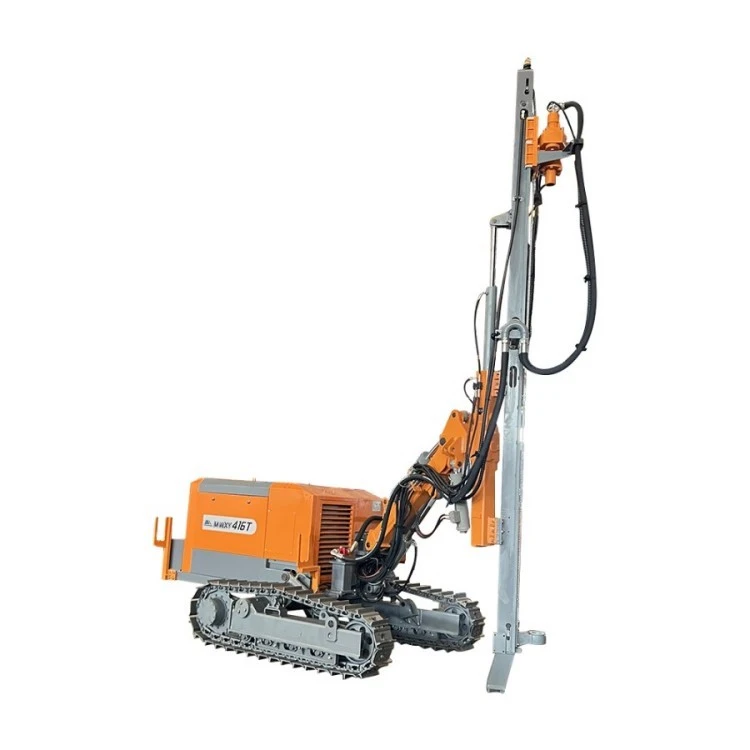
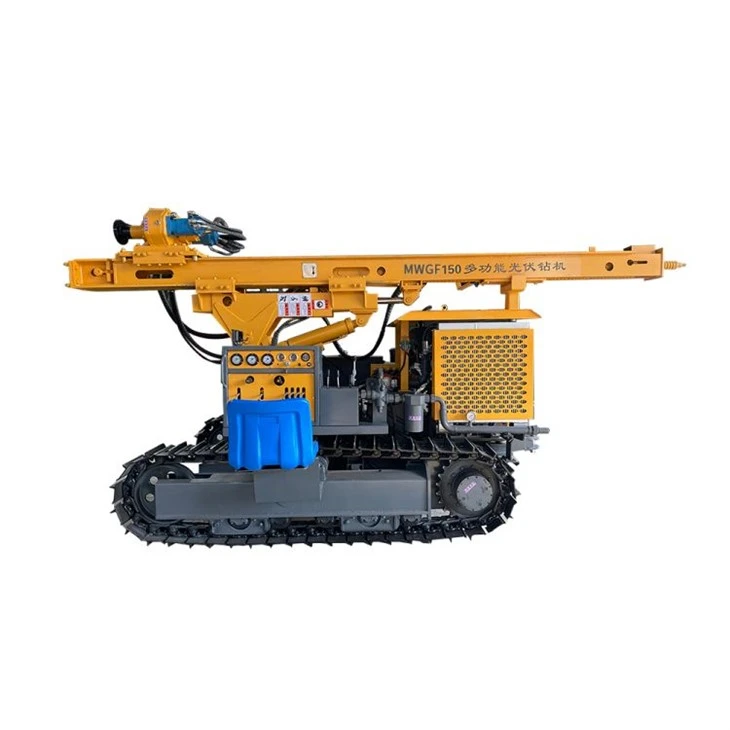
As a DTH drilling supplier, we offer a wide range of high-quality DTH drilling products, including DTH Drill Rig, Multi-Functional Rock Drilling Rig, and Crawler dth Drilling Rig. Our products are equipped with advanced monitoring systems that provide real-time data and insights to optimize the drilling process.
Contact Us for Purchase and Negotiation
If you are interested in our DTH drilling products or have any questions about the monitoring system in DTH drilling, please feel free to contact us. Our team of experts is ready to assist you and provide you with the best solutions for your drilling needs. We look forward to working with you and helping you achieve your drilling goals.
References
- Smith, J. (2018). Down the Hole Drilling Technology. New York: Wiley.
- Johnson, R. (2019). Monitoring Systems in Drilling Operations. Journal of Drilling Engineering, 45(2), 123-135.
- Brown, S. (2020). The Benefits of Real-Time Monitoring in DTH Drilling. Mining Magazine, 67(3), 45-52.