As a well - established supplier of well drilling water trucks, I've had the privilege of witnessing firsthand the challenges that come with these specialized vehicles. In this blog, I'll delve into the common problems associated with well drilling water trucks, offering insights and solutions based on years of industry experience.
1. Mechanical Failures
One of the most prevalent issues with well drilling water trucks is mechanical failures. These can range from minor glitches to major breakdowns that can halt operations for days.
Engine Problems
The engine is the heart of any well drilling water truck. Over time, engines can experience wear and tear, leading to a variety of problems. Common engine issues include overheating, which can be caused by a malfunctioning cooling system, low coolant levels, or a blocked radiator. Another frequent problem is oil leaks, which can not only reduce the engine's efficiency but also pose a safety hazard.
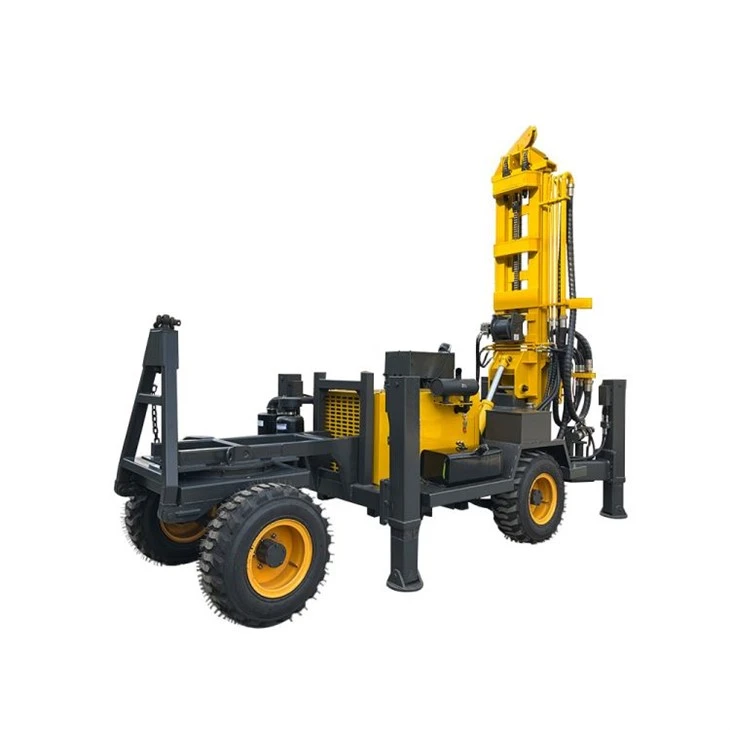
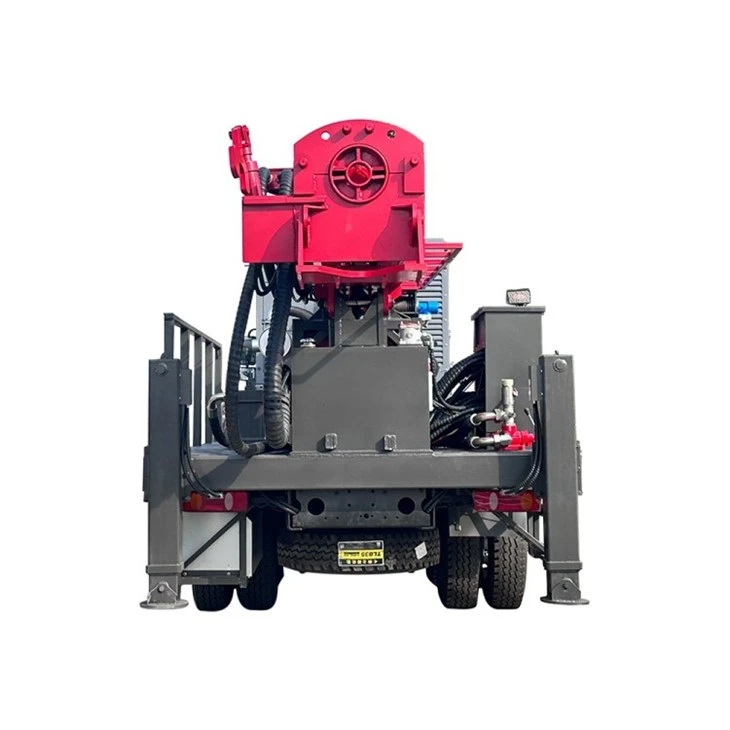
To prevent engine problems, regular maintenance is crucial. This includes changing the oil and filters at recommended intervals, checking the coolant levels, and inspecting the radiator for any blockages. Additionally, using high - quality fuel and lubricants can significantly extend the engine's lifespan.
Pump Malfunctions
The water pump is another critical component of a well drilling water truck. It is responsible for delivering water to the drilling site at the required pressure. Pump malfunctions can occur due to a variety of reasons, such as clogged impellers, worn - out seals, or electrical problems.
A clogged impeller can reduce the pump's flow rate, making it difficult to maintain the necessary water pressure for drilling. Worn - out seals can cause leaks, which not only waste water but can also damage other components of the truck. Electrical problems, such as a faulty motor or a broken wiring connection, can prevent the pump from functioning altogether.
To address pump malfunctions, it's important to perform regular inspections and cleanings. Replacing worn - out seals and impellers in a timely manner can prevent more serious problems from occurring. Additionally, ensuring that the electrical system is in good working condition is essential.
2. Water Quality and Contamination
Well drilling water trucks are used to transport and supply water for drilling operations. However, the quality of the water can have a significant impact on the performance of the drilling equipment and the overall success of the project.
Sediment and Debris
Water sources often contain sediment and debris, such as sand, silt, and rocks. When this water is pumped into the well drilling water truck, it can cause problems for the pump and other components. Sediment can clog the pump impellers, reduce the flow rate, and damage the pump's internal parts.
To prevent sediment and debris from entering the truck, it's important to use proper filtration systems. These can include pre - filters, sediment filters, and cartridge filters. Regularly cleaning and replacing the filters can ensure that the water remains clean and free of debris.
Chemical Contamination
In addition to sediment and debris, water can also be contaminated with chemicals, such as heavy metals, pesticides, and fertilizers. Chemical contamination can not only damage the drilling equipment but also pose a health risk to the workers.
Testing the water source before pumping it into the truck is essential. If the water is found to be contaminated, appropriate treatment methods should be used to remove the contaminants. This can include chemical treatment, such as adding chlorine or other disinfectants, or using advanced filtration systems, such as reverse osmosis.
3. Tire and Suspension Issues
Well drilling water trucks often operate in rough and uneven terrain. This can put a lot of stress on the tires and suspension system, leading to a variety of problems.
Tire Wear and Tear
Tires are one of the most important components of a well drilling water truck. They are responsible for providing traction and supporting the weight of the vehicle. However, the rough terrain can cause the tires to wear out quickly. Uneven wear patterns, punctures, and blowouts are common tire problems.
To prevent tire wear and tear, it's important to choose the right type of tires for the terrain. Off - road tires with deep treads are recommended for well drilling operations. Regularly checking the tire pressure and rotating the tires can also extend their lifespan.
Suspension Problems
The suspension system of a well drilling water truck is designed to absorb the shocks and vibrations caused by the rough terrain. However, over time, the suspension components can wear out, leading to a bumpy ride and reduced stability.
Common suspension problems include worn - out shock absorbers, broken springs, and loose ball joints. Regular inspections of the suspension system can help identify these problems early on. Replacing worn - out components in a timely manner can ensure a smooth and safe ride.
4. Maintenance and Service Challenges
Maintaining and servicing well drilling water trucks can be a challenge, especially in remote locations.
Lack of Skilled Mechanics
Finding skilled mechanics who are familiar with well drilling water trucks can be difficult, especially in rural areas. This can lead to delays in maintenance and repairs, which can impact the productivity of the drilling operations.
To address this issue, it's important to invest in training programs for the in - house maintenance staff. Additionally, establishing partnerships with local mechanics and service providers can ensure that the trucks receive timely maintenance and repairs.
Availability of Spare Parts
Another challenge is the availability of spare parts. Well drilling water trucks are specialized vehicles, and some of the parts may not be readily available in local stores. This can cause delays in repairs and increase the downtime of the trucks.
To overcome this challenge, it's important to maintain an inventory of essential spare parts. Additionally, working with reliable suppliers who can provide quick delivery of spare parts can minimize the downtime.
Solutions and Recommendations
To mitigate the common problems associated with well drilling water trucks, here are some solutions and recommendations:
- Regular Maintenance Schedule: Establish a comprehensive maintenance schedule that includes regular inspections, fluid changes, and component replacements. This can help prevent mechanical failures and extend the lifespan of the truck.
- Quality Control: Implement strict quality control measures for the water used in the drilling operations. This includes testing the water source, using proper filtration systems, and treating the water if necessary.
- Training and Education: Provide training and education for the operators and maintenance staff. This can help them identify and address problems early on, reducing the risk of major breakdowns.
- Invest in Technology: Consider investing in advanced technologies, such as remote monitoring systems, that can help detect problems in real - time and provide early warnings.
If you're in the market for a well drilling water truck or need more information about our products and services, we're here to help. We offer a wide range of well drilling equipment, including Tractor Mounted Water Well Drilling Rig, Light Truck Mounted Borehole Drilling Machine, and reverse circulation water well drilling rig. Contact us to discuss your specific needs and let's start a fruitful business partnership.
References
- "Well Drilling Equipment Handbook" - Industry Publication
- "Maintenance Guide for Specialized Vehicles" - Manufacturer's Manual
- "Water Quality Standards for Drilling Operations" - Environmental Agency Report