Safety Precautions When Using a Mini Rock Drilling Machine
As a supplier of mini rock drilling machines, I understand the importance of safety when operating these powerful tools. Mini rock drilling machines are widely used in various industries, including mining, construction, and geotechnical engineering. They offer a convenient and efficient way to drill holes in rocks, but they also pose certain risks if not used properly. In this blog post, I will discuss some essential safety precautions that should be taken when using a mini rock drilling machine.
1. Pre - operation Inspection
Before starting the mini rock drilling machine, a thorough pre - operation inspection is crucial. First, check the machine's overall condition. Look for any signs of damage, such as cracks in the body, loose parts, or worn - out components. Ensure that all the fasteners are tightened properly. Loose fasteners can cause vibrations during operation, which may lead to the machine malfunctioning or parts flying off.
Inspect the power source. If it is an electric - powered mini rock drilling machine, check the power cord for any cuts or frays. Make sure the grounding is in place to prevent electric shock. For pneumatic - powered machines, examine the air hoses for leaks. A leaking air hose can reduce the machine's efficiency and also pose a tripping hazard.
Examine the drill bit. The drill bit should be sharp and in good condition. A dull or damaged drill bit can increase the drilling time, put more stress on the machine, and may even break during operation, causing potential injury. Replace the drill bit if it shows signs of excessive wear or damage.
2. Personal Protective Equipment (PPE)
Wearing appropriate personal protective equipment is non - negotiable when using a mini rock drilling machine. First and foremost, safety goggles should be worn to protect the eyes from flying rock fragments, dust, and debris. These particles can cause serious eye injuries, including scratches and even permanent vision loss.
A hard hat is essential to protect the head from falling rocks or any potential impact from the machine. In a mining or construction environment, there is always a risk of objects falling from above, and a hard hat can significantly reduce the risk of head injuries.
Ear protection, such as earplugs or earmuffs, should be used. Mini rock drilling machines can generate high - decibel noise levels, which can cause hearing damage over time. Continuous exposure to loud noise without proper protection can lead to permanent hearing loss.
Gloves are also necessary. They provide a better grip on the machine and protect the hands from cuts, abrasions, and vibrations. Vibration - induced white finger (VWF) is a potential risk for operators who are exposed to high - frequency vibrations for extended periods. Wearing anti - vibration gloves can help reduce this risk.
In addition, wear steel - toed boots to protect the feet from falling objects and potential impacts. They also provide stability and support while operating the machine.
3. Operating Environment
The operating environment plays a significant role in ensuring safety. First, choose a stable and level surface to operate the mini rock drilling machine. An unstable surface can cause the machine to tip over during operation, which is extremely dangerous. If the ground is uneven, use appropriate leveling devices or shims to make the surface stable.
Keep the work area clean and free of clutter. Remove any obstacles, tools, or debris that may cause tripping or interfere with the machine's operation. Adequate lighting is also necessary in the work area. Poor lighting can make it difficult to see the drilling area clearly, increasing the risk of accidents.
Be aware of the surrounding environment. If there are other workers or equipment nearby, ensure that there is enough space to operate the machine safely. Avoid operating the machine near flammable materials, as some drilling operations may generate sparks.
4. Operating Procedures
When starting the mini rock drilling machine, follow the manufacturer's instructions carefully. Do not overload the machine. Each machine has a specified maximum drilling depth, diameter, and power capacity. Exceeding these limits can damage the machine and increase the risk of accidents.
Apply the right amount of pressure during drilling. Too much pressure can cause the drill bit to break or the machine to stall, while too little pressure may result in inefficient drilling. Use a smooth and steady motion when operating the machine. Avoid sudden jerks or movements, as they can cause the drill bit to deviate from the intended path and may also damage the machine.

If the machine gets stuck during drilling, do not try to force it. Stop the machine immediately and assess the situation. It could be due to a hard rock formation, a misaligned drill bit, or other issues. Try to remove the drill bit slowly and carefully, and then determine the cause of the problem before proceeding.
When changing the drill bit, make sure the machine is turned off and the power source is disconnected. Use the appropriate tools to remove and install the drill bit. Do not use your hands to hold the drill bit while it is being tightened or loosened, as this can cause serious hand injuries.
5. Maintenance and Storage
Regular maintenance is essential to keep the mini rock drilling machine in good working condition and to ensure safety. Follow the maintenance schedule recommended by the manufacturer. This may include tasks such as lubricating the moving parts, cleaning the machine, and checking the hydraulic or pneumatic systems.
Store the machine properly when it is not in use. Keep it in a dry and clean place, protected from the elements. If the machine is stored for an extended period, drain the fluids (such as hydraulic oil or coolant) and perform any necessary preservation procedures to prevent corrosion and damage.
Different Types of Mini Rock Drilling Machines and Their Specific Safety Considerations
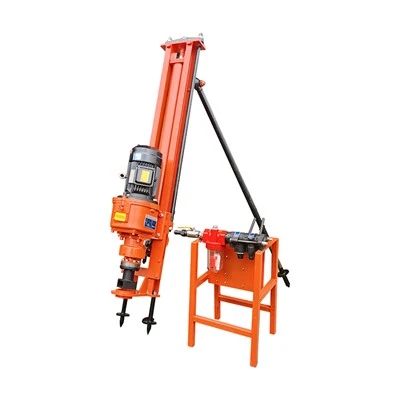
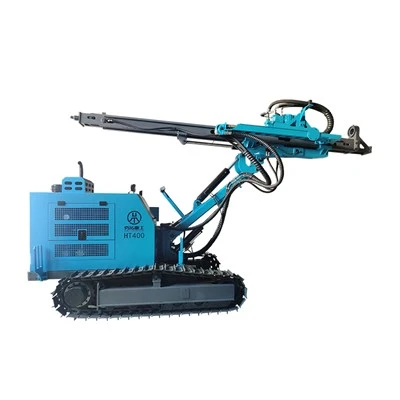
There are different types of mini rock drilling machines, such as small down the hole drilling, pneumatic air leg rock drill, and hand held rock drilling equipment.
For small down - the - hole drilling machines, the depth of the hole and the stability of the drill string are critical. Ensure that the drill string is properly assembled and secured to prevent it from collapsing or getting stuck in the hole. Monitor the pressure and flow rate of the drilling fluid to maintain the stability of the borehole.
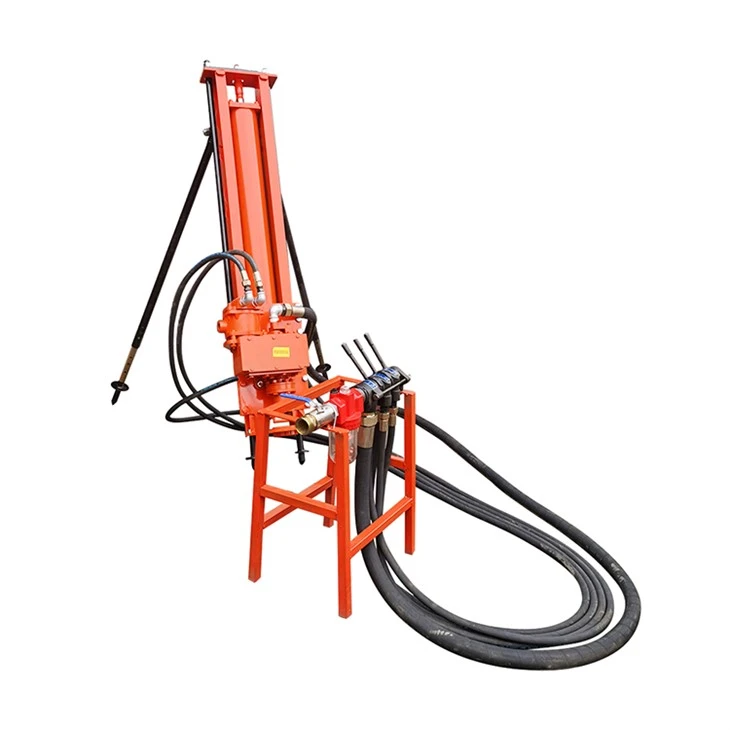
Pneumatic air leg rock drills rely on compressed air for operation. In addition to the general safety precautions, pay special attention to the air pressure. Do not exceed the recommended air pressure, as it can cause the machine to malfunction or even explode. Check the air leg for proper extension and retraction to ensure stable support during drilling.
Hand - held rock drilling equipment is more portable but requires the operator to have better control. Since it is held by hand, the operator needs to be more aware of the vibrations and the reaction force of the machine. Make sure to hold the machine firmly and use both hands for better stability.
Conclusion
Safety should always be the top priority when using a mini rock drilling machine. By following the safety precautions outlined above, including pre - operation inspection, wearing appropriate PPE, ensuring a safe operating environment, following proper operating procedures, and conducting regular maintenance, the risk of accidents can be significantly reduced.
If you are in the market for a high - quality mini rock drilling machine, we are here to provide you with the best products and professional advice. Our machines are designed with safety and efficiency in mind. We encourage you to contact us for more information and to discuss your specific requirements. Whether you are involved in a small - scale construction project or a large - scale mining operation, we have the right mini rock drilling machine for you.
References
- Manufacturer's manuals of mini rock drilling machines
- Occupational Safety and Health Administration (OSHA) guidelines on rock drilling equipment
- Industry best practices for rock drilling safety