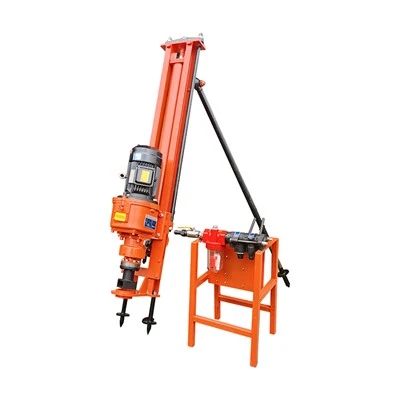
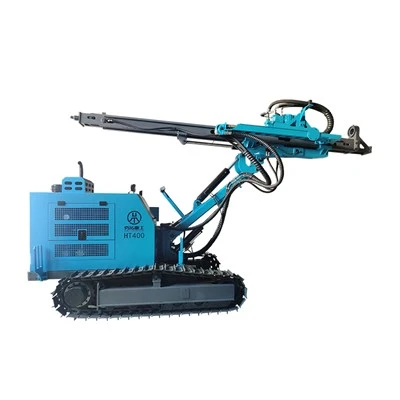
Transporting a crawler mounted drill rig to the job site is a complex and crucial process that requires careful planning and execution. As a crawler mounted drill rig supplier, I have witnessed firsthand the challenges and considerations involved in this task. In this blog post, I will share some valuable insights and practical tips on how to transport a crawler mounted drill rig safely and efficiently.
Pre - transport Planning
Before you even think about moving the drill rig, a comprehensive pre - transport plan is essential. The first step is to thoroughly assess the drill rig itself. Determine its weight, dimensions (length, width, and height), and any special features that might affect transportation. For example, some crawler mounted drill rigs may have extendable booms or additional equipment attached, which need to be accounted for.
Next, you need to choose the right transportation method. There are several options available, including flatbed trucks, lowboy trailers, and specialized heavy - haul carriers. The choice depends on the size and weight of the drill rig, as well as the distance to the job site and the road conditions along the way. For shorter distances and relatively smaller rigs, a flatbed truck might be sufficient. However, for larger and heavier rigs, a lowboy trailer or a heavy - haul carrier is often the better choice as they can provide more stability and support.
It is also important to obtain all the necessary permits for transportation. Different regions have different regulations regarding the transportation of oversized and overweight loads. Failure to obtain the proper permits can result in fines and delays. You can contact the local transportation department or a permit service provider to help you navigate the permit - obtaining process.
Rig Preparation
Once the transportation method and permits are sorted out, it's time to prepare the crawler mounted drill rig for transport. Start by cleaning the rig thoroughly. This not only helps in inspecting the equipment for any damages but also ensures that there is no debris or loose parts that could fall off during transportation.
Disconnect all the hoses, cables, and other detachable components. These should be labeled and stored securely to prevent loss or damage. If possible, remove any non - essential accessories such as toolboxes or extra drilling bits. This will reduce the overall weight and size of the rig, making it easier to transport.
Secure all the moving parts of the drill rig. Use straps, chains, or other appropriate restraints to prevent the boom, mast, and other components from shifting during transit. Check that all the locks and latches are in place and functioning properly.
Loading the Drill Rig
Loading the crawler mounted drill rig onto the transport vehicle is a critical step. It should be done carefully to avoid any damage to the rig or the vehicle. First, ensure that the transport vehicle is parked on a level and stable surface.
If using a flatbed truck or a lowboy trailer, position the rig in the center of the bed to maintain balance. Use ramps to drive the crawler mounted drill rig onto the vehicle. Make sure the ramps are properly secured and have enough load - bearing capacity.
Once the rig is on the vehicle, use high - quality tie - downs to secure it firmly. Chains are often preferred for heavy - duty applications as they can withstand high tension. Attach the chains to the designated tie - down points on the rig and the transport vehicle. Make sure the chains are tightened evenly to prevent the rig from shifting.
Transportation
During transportation, it is important to monitor the rig regularly. If possible, have a driver or an escort who can keep an eye on the load. Check the tie - downs periodically to ensure they are still tight and the rig is secure.
Be aware of the road conditions and speed limits. Avoid sudden stops, starts, and sharp turns as these can put additional stress on the rig and the tie - downs. If the job site is located in a remote area with poor road conditions, consider using a slower and more cautious approach.
Unloading and Setup at the Job Site
Once the crawler mounted drill rig reaches the job site, it's time to unload it. Reverse the loading process, using the same ramps and safety precautions. Make sure the job site is prepared to receive the rig. The ground should be level and stable enough to support the weight of the rig.
After unloading, reconnect all the hoses, cables, and detachable components. Follow the manufacturer's instructions carefully to ensure proper installation. Conduct a thorough inspection of the rig to make sure everything is in working order before starting any drilling operations.
Our Product Offerings
As a crawler mounted drill rig supplier, we offer a wide range of high - quality drill rigs to meet different customer needs. Our Tractor Mounted Water Well Drilling Rig is a great option for those looking for a versatile and cost - effective solution. It can be easily attached to a tractor, providing mobility and flexibility on the job site.
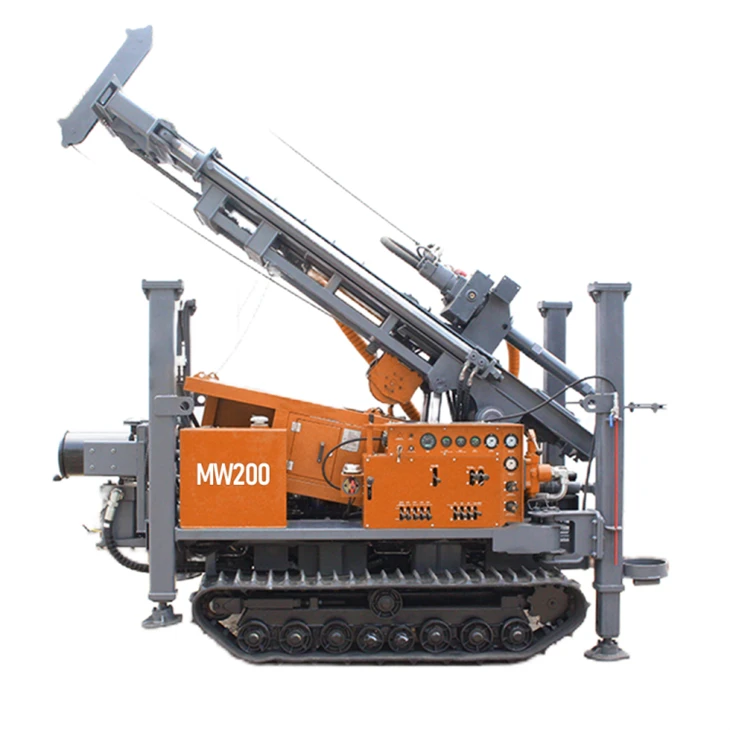
For deeper drilling requirements, our 200m Water Well Drilling Rig is a reliable choice. It is designed to reach depths of up to 200 meters, making it suitable for various water well drilling projects.
Our Hydraulic Crawler water well drilling rig offers advanced hydraulic technology, providing smooth and efficient operation. It is built to withstand tough working conditions and deliver high - performance results.
Contact for Purchase and Consultation
If you are interested in our crawler mounted drill rigs or need more information about transporting them to your job site, please feel free to contact us. Our team of experts is ready to assist you with all your drilling rig needs. Whether you have questions about product specifications, transportation options, or pre - sales and after - sales support, we are here to help.

References
- "Heavy Equipment Transportation Guide" - A handbook published by the National Heavy Equipment Transporters Association.
- Manufacturer's manuals for crawler mounted drill rigs.
- Local transportation regulations and guidelines.