Residual stress is a crucial factor in the performance and durability of drilling rods. As a drilling rod supplier, I've witnessed firsthand how residual stress can impact the quality and reliability of these essential tools. In this blog post, I'll delve into what residual stress is, how it affects drilling rods, and what we can do to manage it.
Understanding Residual Stress
Residual stress refers to the stress that remains in a material after the original cause of the stress (such as external loads, machining, or heat treatment) has been removed. These stresses are self - equilibrating within the material, meaning that the sum of the internal forces due to residual stress is zero.
There are two main types of residual stress: tensile and compressive. Tensile residual stress tends to pull the material apart, while compressive residual stress pushes the material together. In drilling rods, both types of residual stress can have significant consequences.
Causes of Residual Stress in Drilling Rods
Manufacturing Processes
The manufacturing of drilling rods involves several processes that can induce residual stress. For example, during hot rolling, the outer layer of the rod cools faster than the inner core. This differential cooling rate creates thermal stresses, which can become locked in as residual stress when the rod reaches room temperature.
Another common manufacturing process is machining. Cutting, grinding, and turning operations can introduce residual stress due to the mechanical forces applied to the material. The deformation of the material during these processes can cause internal stresses that remain after the machining is complete.
Heat Treatment
Heat treatment is often used to improve the mechanical properties of drilling rods, such as hardness and toughness. However, improper heat treatment can also lead to the development of residual stress. For instance, rapid quenching can cause a large temperature gradient between the surface and the interior of the rod, resulting in high tensile residual stress on the surface.
Effects of Residual Stress on Drilling Rods
Fatigue Life
One of the most significant effects of residual stress on drilling rods is its impact on fatigue life. Tensile residual stress can act as a stress raiser, accelerating the initiation and propagation of cracks under cyclic loading. Drilling rods are subjected to repeated impacts and vibrations during operation, and the presence of tensile residual stress can significantly reduce their fatigue resistance.
On the other hand, compressive residual stress can enhance the fatigue life of drilling rods. By counteracting the applied tensile stresses during operation, compressive residual stress can delay the initiation of cracks and slow down their growth.
Dimensional Stability
Residual stress can also affect the dimensional stability of drilling rods. Over time, the internal stresses can cause the rod to deform, leading to changes in its shape and size. This can result in problems such as misalignment during drilling, reduced drilling accuracy, and increased wear on the drilling equipment.
Corrosion Resistance
Tensile residual stress can increase the susceptibility of drilling rods to corrosion. The stress can cause micro - cracks and dislocations in the material, which provide pathways for corrosive agents to penetrate the surface. In contrast, compressive residual stress can improve corrosion resistance by closing surface defects and reducing the likelihood of crack initiation.
Measuring and Controlling Residual Stress
Measuring Residual Stress
There are several methods available for measuring residual stress in drilling rods. One common technique is the hole - drilling method, which involves drilling a small hole in the material and measuring the resulting strain relaxation. Another method is X - ray diffraction, which analyzes the lattice spacing of the material to determine the residual stress.
Controlling Residual Stress
To control residual stress in drilling rods, we can take several measures during the manufacturing process. For example, proper heat treatment procedures can be used to minimize the development of residual stress. This may involve slow cooling rates during quenching or the use of tempering to relieve internal stresses.
Shot peening is another effective method for introducing compressive residual stress on the surface of drilling rods. This process involves bombarding the surface with small spherical particles, which causes plastic deformation and creates compressive residual stress.
Our Offerings as a Drilling Rod Supplier
As a drilling rod supplier, we are committed to providing high - quality products with minimal residual stress. We use advanced manufacturing techniques and strict quality control measures to ensure that our drilling rods meet the highest standards.
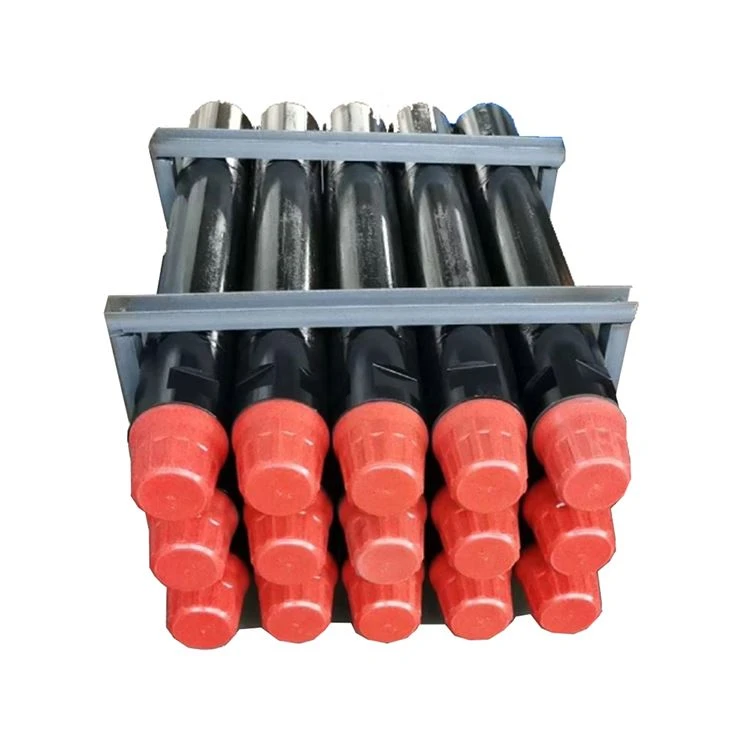
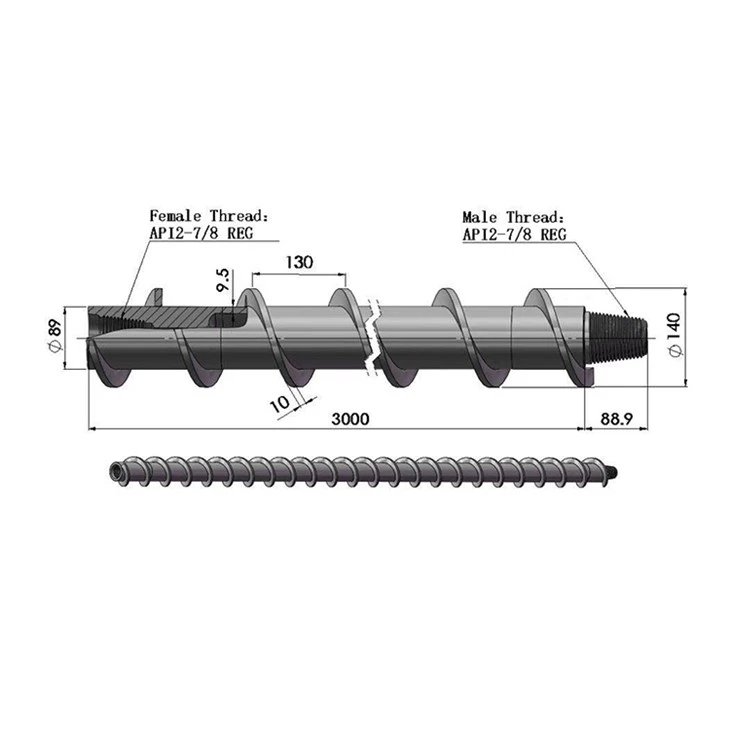
We offer a wide range of drilling rods, including rock Drill Rods, Oil Well Drill Rod, and Tapered drill rods. Each type of rod is designed to meet the specific requirements of different drilling applications, and we take great care to manage residual stress to enhance their performance and durability.
Conclusion
Residual stress is a complex but important aspect of drilling rod performance. Understanding its causes, effects, and control methods is essential for ensuring the reliability and longevity of these tools. As a drilling rod supplier, we are constantly striving to improve our manufacturing processes and products to minimize residual stress and provide our customers with the best possible drilling solutions.
If you are in the market for high - quality drilling rods, we invite you to contact us for a detailed discussion about your requirements. Our team of experts is ready to assist you in selecting the right drilling rods for your specific application and to answer any questions you may have about residual stress and its management.
References
- "Residual Stress in Metals: Measurement and Control" by J. M. Barsom and S. T. Rolfe
- "Mechanical Behavior of Materials" by Norman E. Dowling
- "Manufacturing Engineering and Technology" by S. Kalpakjian and S. R. Schmid