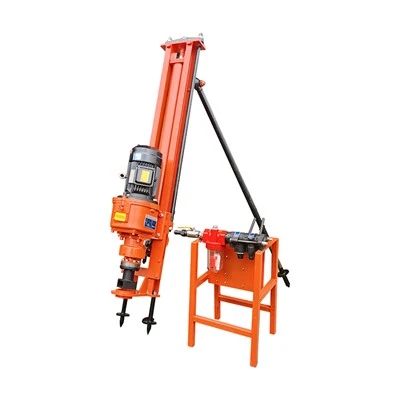
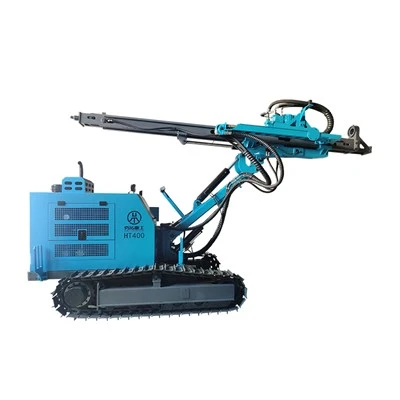
As a supplier of crawler mounted drill rigs, I understand the crucial role that proper drilling fluid management plays in the success of drilling operations. Drilling fluid, often referred to as drilling mud, serves multiple functions during the drilling process, including cooling and lubricating the drill bit, carrying cuttings to the surface, and maintaining wellbore stability. In this blog post, I will share some key strategies and best practices for effectively managing drilling fluid in a crawler mounted drill rig.
Understanding the Basics of Drilling Fluid
Before delving into the management aspects, it's essential to have a solid understanding of the different types of drilling fluids and their properties. The most common types of drilling fluids include water-based muds, oil-based muds, and synthetic-based muds. Each type has its own advantages and disadvantages, and the choice of drilling fluid depends on various factors such as the type of formation being drilled, the depth of the well, and the environmental regulations.
Water-based muds are the most widely used type of drilling fluid due to their low cost, environmental friendliness, and ease of handling. They are typically composed of water, clay, and various additives to control the viscosity, density, and other properties of the mud. Oil-based muds, on the other hand, offer better lubrication and shale inhibition properties, making them suitable for drilling in difficult formations. However, they are more expensive and have a higher environmental impact compared to water-based muds. Synthetic-based muds are a relatively new type of drilling fluid that combines the advantages of both water-based and oil-based muds. They offer excellent performance in terms of lubrication, shale inhibition, and environmental compatibility.
Monitoring and Controlling Drilling Fluid Properties
One of the most important aspects of drilling fluid management is monitoring and controlling the properties of the drilling fluid. This includes measuring the density, viscosity, pH, and other parameters on a regular basis to ensure that the drilling fluid is performing optimally. The density of the drilling fluid is particularly important as it helps to control the pressure in the wellbore and prevent blowouts. The viscosity of the drilling fluid affects its ability to carry cuttings to the surface and lubricate the drill bit. The pH of the drilling fluid can also have a significant impact on its performance, as it affects the stability of the clay particles in the mud.
To monitor the properties of the drilling fluid, a variety of tools and techniques are available. These include mud balances, viscometers, pH meters, and other specialized equipment. It's important to use high-quality equipment and follow the manufacturer's instructions carefully to ensure accurate measurements. In addition to regular monitoring, it's also important to make adjustments to the drilling fluid properties as needed based on the drilling conditions and the performance of the drill rig.
Maintaining Drilling Fluid Quality
Another important aspect of drilling fluid management is maintaining the quality of the drilling fluid. This includes preventing contamination of the drilling fluid with cuttings, debris, and other foreign materials. Contamination can have a significant impact on the performance of the drilling fluid, as it can increase the viscosity, reduce the lubrication properties, and cause other problems.
To prevent contamination of the drilling fluid, it's important to use proper filtration and separation equipment. This includes shale shakers, hydrocyclones, and centrifuges, which are designed to remove cuttings and other solids from the drilling fluid. It's also important to keep the drilling fluid storage tanks clean and free of debris, and to use proper mixing and agitation techniques to ensure that the drilling fluid is homogeneous.
Disposing of Drilling Fluid Properly
Proper disposal of drilling fluid is also an important aspect of drilling fluid management. Drilling fluid can contain a variety of contaminants, including heavy metals, hydrocarbons, and other chemicals, which can have a significant impact on the environment if not disposed of properly. Therefore, it's important to follow all applicable environmental regulations and guidelines when disposing of drilling fluid.
There are several options available for disposing of drilling fluid, including landfarming, injection wells, and treatment and recycling. Landfarming involves spreading the drilling fluid on the ground and allowing it to decompose naturally. Injection wells involve injecting the drilling fluid into deep underground formations for permanent storage. Treatment and recycling involve treating the drilling fluid to remove contaminants and then reusing it in future drilling operations.
Choosing the Right Drilling Fluid Additives
In addition to the basic components of the drilling fluid, such as water, clay, and oil, various additives can be used to enhance the performance of the drilling fluid. These additives include viscosifiers, fluid loss control agents, shale inhibitors, lubricants, and other specialized chemicals. The choice of drilling fluid additives depends on the specific drilling conditions and the performance requirements of the drill rig.
When choosing drilling fluid additives, it's important to consider the compatibility of the additives with the other components of the drilling fluid. Some additives can react with each other or with the clay particles in the mud, causing problems such as flocculation, precipitation, and reduced performance. It's also important to choose additives that are environmentally friendly and comply with all applicable regulations.
Training and Education
Finally, it's important to provide proper training and education to the personnel involved in the drilling operations. This includes training on the proper use and maintenance of the drill rig, the monitoring and control of the drilling fluid properties, the prevention of contamination, and the proper disposal of drilling fluid. By providing comprehensive training and education, you can ensure that your personnel have the knowledge and skills necessary to manage the drilling fluid effectively and safely.
Conclusion
In conclusion, proper management of drilling fluid is essential for the success of drilling operations using a crawler mounted drill rig. By understanding the basics of drilling fluid, monitoring and controlling its properties, maintaining its quality, disposing of it properly, choosing the right additives, and providing proper training and education, you can ensure that your drilling operations are efficient, effective, and environmentally friendly.
If you are interested in learning more about our crawler mounted drill rigs or our drilling fluid management services, please feel free to contact us. We would be happy to discuss your specific needs and provide you with a customized solution.
For more information about our other drilling rig products, you can visit the following links:
Multi-Functional Truck-mounted Water Well Drilling Rig
Light Truck Mounted Borehole Drilling Machine
Hydraulic Crawler water well drilling rig


References
- API Recommended Practice 13B-1, "Standard Procedure for Field Testing Water-Based Drilling Fluids"
- API Recommended Practice 13B-2, "Standard Procedure for Field Testing Oil-Based Drilling Fluids"
- Bourgoyne, A. T., et al. (1986). Applied Drilling Engineering. Society of Petroleum Engineers.
- Chillingar, G. V., et al. (1995). Drilling Fluids: Technology and Usage. Gulf Publishing Company.
- Nelson, E. B., & Guillot, D. C. (2006). Well Cementing. Schlumberger.