Do I need to use a pilot hole when using a large - diameter drill bit?
As a supplier of high - quality drilling bits, I often encounter customers with various questions about drilling operations. One of the most frequently asked questions is whether a pilot hole is necessary when using a large - diameter drill bit. In this blog, I'll explore this topic in detail, considering different aspects such as the type of material, the benefits and drawbacks of using a pilot hole, and practical applications.
Understanding the Concept of a Pilot Hole
A pilot hole is a small - diameter hole drilled before using a larger drill bit. It serves as a guide for the larger bit, helping to ensure accurate placement and prevent the bit from wandering or slipping during the drilling process. Pilot holes are typically drilled using a drill bit with a diameter that is about one - third to one - half the size of the final hole.
Factors Influencing the Need for a Pilot Hole
Material Type
The type of material you are drilling into plays a crucial role in determining whether a pilot hole is necessary.
Wood: When drilling large - diameter holes in wood, a pilot hole is often recommended, especially if the wood is hard or if you need a precise hole location. Wood can be prone to splintering, and a pilot hole helps to reduce this risk. It also provides a starting point for the larger bit, making it easier to control the drilling process. For example, when installing dowels or large screws in hardwood, a pilot hole ensures a snug fit and prevents the wood from cracking.
Metal: In metalworking, a pilot hole is almost always necessary when using a large - diameter drill bit. Metal is a tough material, and without a pilot hole, the large bit may have difficulty starting and can easily wander off - center. A pilot hole helps to guide the larger bit, reducing the risk of misalignment and ensuring a clean, accurate hole. Additionally, it can reduce the amount of force required to drill through the metal, which can extend the life of the drill bit.
Concrete and Masonry: When drilling into concrete or masonry, a pilot hole can be beneficial, but it depends on the specific situation. For smaller - diameter holes, a large - diameter bit may be able to start on its own, especially if the bit is designed for masonry drilling. However, for very large holes or when high precision is required, a pilot hole can help to guide the larger bit and prevent it from getting stuck or causing damage to the surrounding material.
Hole Precision
If you need a highly precise hole, a pilot hole is essential. Whether it's for aligning parts in a mechanical assembly or for creating a hole that meets strict tolerances, a pilot hole provides a reference point for the larger bit. This ensures that the final hole is in the correct location and has the desired diameter and shape.
Bit Type
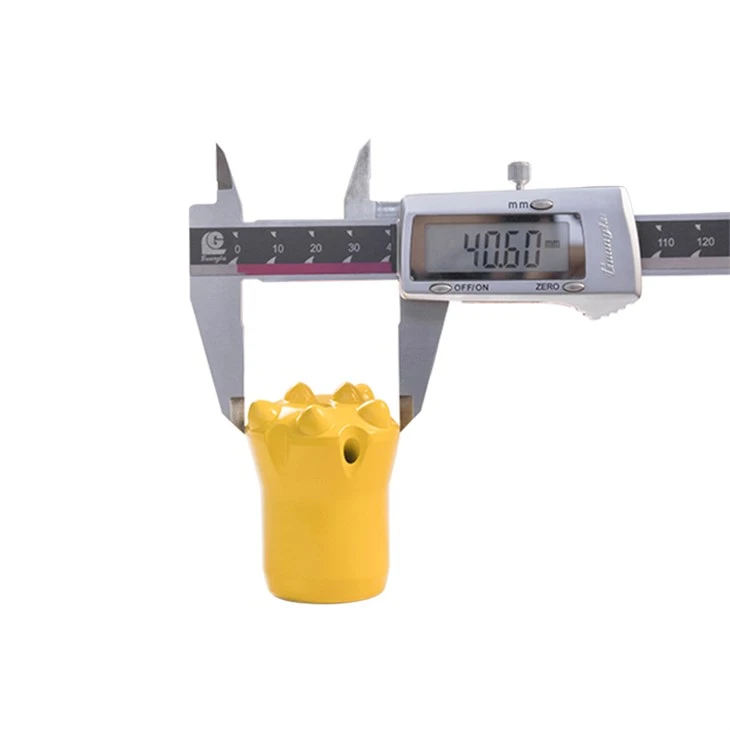
Different types of drill bits have different requirements when it comes to using a pilot hole. For example, Tapered Button Bit are commonly used in mining and construction for drilling in hard rock. These bits are designed to penetrate tough materials effectively, but they can still benefit from a pilot hole, especially when drilling large - diameter holes. The pilot hole helps to start the drilling process smoothly and reduces the risk of the bit getting damaged.
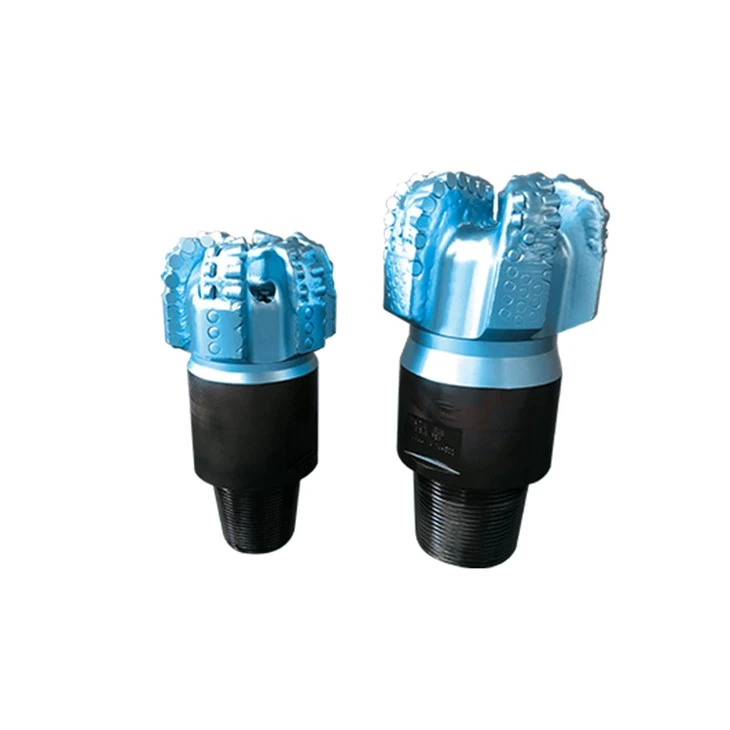
Similarly, PDC Bits, which are used in oil and gas drilling, can also benefit from a pilot hole. PDC bits are known for their high - speed drilling capabilities, but a pilot hole can improve the accuracy and efficiency of the drilling operation, especially in complex geological formations.
Threaded Button Bits are often used in top - hammer drilling applications. When using these bits to drill large - diameter holes, a pilot hole can help to ensure that the bit starts correctly and maintains its alignment throughout the drilling process.
Benefits of Using a Pilot Hole
Improved Accuracy
As mentioned earlier, a pilot hole provides a guide for the larger drill bit, resulting in a more accurate hole. This is particularly important in applications where precise hole placement is critical, such as in manufacturing, construction, and woodworking.
Reduced Bit Wear
Using a pilot hole can reduce the wear and tear on the large - diameter drill bit. By starting the drilling process with a smaller bit, the larger bit doesn't have to work as hard to penetrate the material. This can extend the life of the drill bit and save you money in the long run.
Prevention of Material Damage
In materials like wood and metal, a pilot hole can prevent damage such as splintering, cracking, or warping. It allows the larger bit to enter the material more smoothly, reducing the stress on the surrounding material.
Drawbacks of Using a Pilot Hole
Additional Time and Effort
Drilling a pilot hole adds an extra step to the drilling process, which can increase the overall time and effort required. This may not be practical in situations where speed is of the essence, such as in high - volume production environments.
Increased Cost
If you are using a separate drill bit for the pilot hole, there is an additional cost associated with purchasing and maintaining the extra bit. However, in many cases, the benefits of using a pilot hole outweigh the additional cost.
Practical Applications
Furniture Making
In furniture making, large - diameter holes are often required for joining parts together. For example, when making a wooden table, you may need to drill holes for the legs. Using a pilot hole ensures that the holes are accurately placed and that the legs fit snugly into the tabletop. This results in a more stable and professional - looking piece of furniture.
Automotive Repair
In automotive repair, large - diameter holes may need to be drilled for various purposes, such as installing new components or modifying existing parts. A pilot hole helps to ensure that the holes are drilled in the correct location and that the components fit properly. This is crucial for the safe and efficient operation of the vehicle.
Construction
In construction, large - diameter holes are often drilled in concrete, steel, and wood for plumbing, electrical, and structural applications. Using a pilot hole can improve the accuracy of the holes and reduce the risk of damage to the surrounding material. This is especially important in high - rise buildings and other large - scale construction projects where precision is essential.
Conclusion
In conclusion, whether you need to use a pilot hole when using a large - diameter drill bit depends on several factors, including the type of material, the required precision, and the specific application. While there are some drawbacks to using a pilot hole, such as additional time and cost, the benefits often outweigh these disadvantages. A pilot hole can improve accuracy, reduce bit wear, and prevent material damage, resulting in a better - quality hole and a more successful drilling operation.
As a drilling bits supplier, we offer a wide range of high - quality drill bits suitable for various applications. If you have any questions about choosing the right drill bit or whether a pilot hole is necessary for your project, please feel free to contact us for professional advice. We are committed to providing our customers with the best products and services to meet their drilling needs.
References
- "Drilling Handbook" by Industrial Press Inc.
- "Machinery's Handbook" by Industrial Press Inc.
- Technical documents from leading drill bit manufacturers.