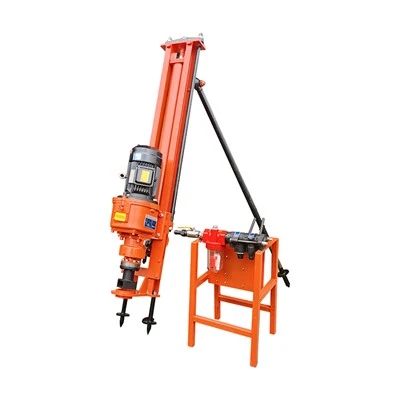
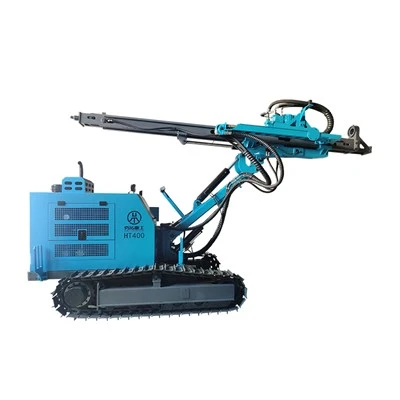
Maintaining the lubrication system of down the hole drilling equipment is crucial for ensuring its optimal performance, longevity, and reliability. As a leading down the hole drilling supplier, we understand the significance of a well - maintained lubrication system. In this blog, we will delve into the key aspects of maintaining the lubrication system for down the hole drilling.
Understanding the Lubrication System in Down the Hole Drilling
Before we discuss maintenance, it's essential to understand the role of the lubrication system in down the hole drilling. The lubrication system serves multiple purposes. Firstly, it reduces friction between moving parts, such as the drill bit, pistons, and other internal components. Friction can generate heat, which, if not controlled, can lead to premature wear and tear of the parts, and even cause mechanical failures. Secondly, it helps to seal the internal components, preventing the ingress of dust, dirt, and other contaminants. Thirdly, it acts as a coolant, dissipating the heat generated during the drilling process.
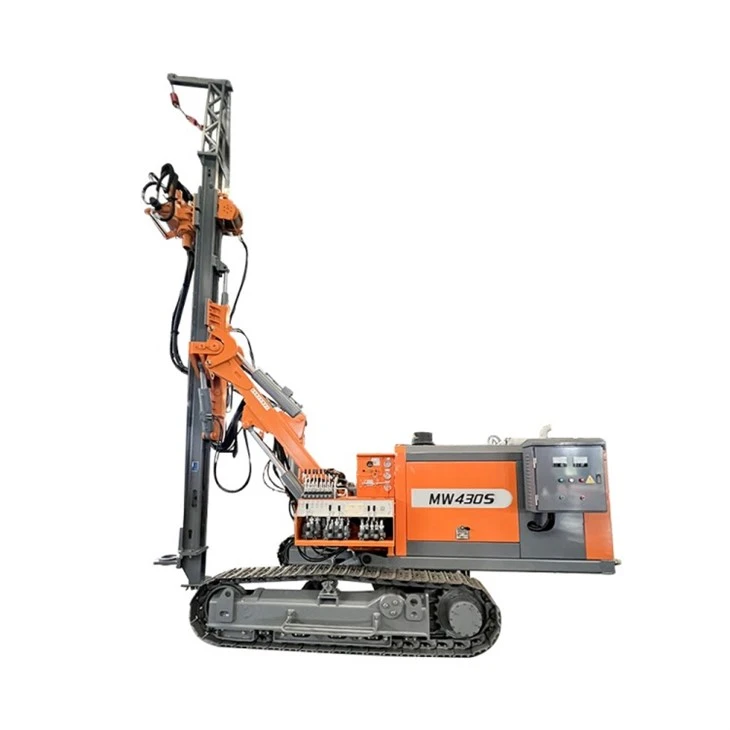
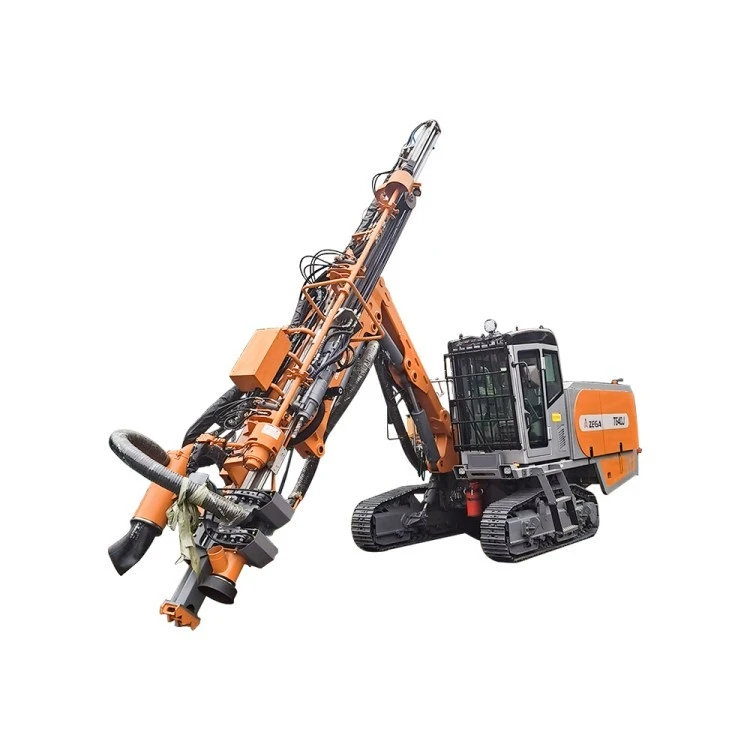
The lubrication system typically consists of a lubricant reservoir, pumps, filters, and distribution lines. The lubricant, usually oil - based, is stored in the reservoir. The pump then draws the lubricant from the reservoir and sends it through the filters to remove any impurities. Finally, the clean lubricant is distributed to the various moving parts of the down the hole drilling equipment.
Regular Inspection of the Lubricant
One of the fundamental steps in maintaining the lubrication system is regular inspection of the lubricant. Over time, the lubricant can degrade due to high temperatures, oxidation, and contamination. Therefore, it's important to check the lubricant's quality at regular intervals.
- Visual Inspection: Start by visually inspecting the lubricant. Look for signs of discoloration, such as a darkening of the oil, which can indicate oxidation or the presence of contaminants. Also, check for any visible particles or debris in the lubricant. If the lubricant appears milky, it may be contaminated with water.
- Viscosity Check: The viscosity of the lubricant is a critical property. It affects the lubricant's ability to form a protective film between moving parts. Use a viscometer to measure the viscosity of the lubricant. Compare the measured viscosity with the manufacturer's specifications. If the viscosity is too low, the lubricant may not provide adequate protection; if it's too high, it can cause excessive energy consumption and poor flow.
- Chemical Analysis: Periodically, send a sample of the lubricant for chemical analysis. This can reveal the presence of wear metals, contaminants, and additives in the lubricant. Based on the analysis results, you can determine if the lubricant needs to be changed or if any corrective actions are required.
Lubricant Replacement
Once the lubricant has degraded beyond an acceptable level, it must be replaced. The frequency of lubricant replacement depends on several factors, such as the operating conditions, the type of lubricant used, and the manufacturer's recommendations.
- Follow Manufacturer's Guidelines: Always refer to the manufacturer's guidelines for the recommended lubricant replacement intervals. These guidelines are based on extensive testing and are designed to ensure the optimal performance of the equipment.
- Proper Draining and Filling: When replacing the lubricant, make sure to drain the old lubricant completely from the reservoir, pumps, and distribution lines. Use a suitable container to collect the old lubricant for proper disposal. Then, fill the system with the recommended type and quantity of fresh lubricant.
Filter Maintenance
Filters play a vital role in the lubrication system by removing contaminants from the lubricant. However, over time, the filters can become clogged with impurities, reducing their effectiveness. Therefore, regular filter maintenance is essential.
- Filter Inspection: Check the filters at regular intervals for signs of clogging. A clogged filter can restrict the flow of lubricant, leading to inadequate lubrication of the moving parts. Look for a pressure drop across the filter; an excessive pressure drop can indicate a clogged filter.
- Filter Replacement: Replace the filters according to the manufacturer's recommendations. It's generally a good practice to replace the filters at the same time as the lubricant is changed. When replacing the filters, make sure to use high - quality filters that are compatible with the lubrication system.
Pump Maintenance
The pump is responsible for circulating the lubricant throughout the system. Any issues with the pump can lead to poor lubrication and equipment failure. Therefore, proper pump maintenance is crucial.
- Inspect Pump Performance: Regularly check the pump's performance. Listen for any unusual noises, such as rattling or grinding, which can indicate a problem with the pump. Also, check the pump's output pressure. If the pressure is too low, it may be due to a clogged filter, a worn - out pump, or a leak in the system.
- Seal and Bearing Maintenance: The seals and bearings in the pump are prone to wear. Inspect these components regularly for signs of damage or wear. Replace any worn - out seals or bearings promptly to prevent lubricant leakage and ensure the proper functioning of the pump.
Monitoring the Lubrication System
In addition to regular inspections and maintenance, it's important to monitor the lubrication system continuously. This can help detect any potential problems early and prevent costly breakdowns.
- Use Sensors: Install sensors in the lubrication system to monitor parameters such as lubricant level, temperature, and pressure. These sensors can provide real - time data, which can be used to identify any abnormal conditions in the system. For example, a sudden drop in lubricant pressure can indicate a leak or a pump failure.
- Keep Maintenance Records: Maintain detailed records of all lubrication system inspections, maintenance activities, and component replacements. These records can help you track the performance of the lubrication system over time and identify any recurring issues.
Importance of Training
Proper maintenance of the lubrication system requires trained personnel. Ensure that your operators and maintenance staff are well - trained in the operation and maintenance of the down the hole drilling equipment's lubrication system.
- Technical Training: Provide technical training on the lubrication system's components, operation, and maintenance procedures. This can include hands - on training on how to perform inspections, change lubricants, and replace filters.
- Safety Training: Emphasize safety during lubrication system maintenance. Train your staff on how to handle lubricants safely, including proper storage, handling, and disposal procedures.
Conclusion
Maintaining the lubrication system for down the hole drilling is a complex but essential task. By following the steps outlined above, you can ensure the optimal performance and longevity of your down the hole drilling equipment. At our company, we are committed to providing high - quality down the hole drilling equipment and comprehensive support for its maintenance. If you are in the market for Anchor Drilling Rig, Fully Hydraulic Drilling Rigs, or surface dth drill rig, we can offer you the best solutions tailored to your needs. Contact us to discuss your requirements and explore how we can help you optimize your down the hole drilling operations.
References
- Manufacturer's manuals for down the hole drilling equipment
- Industry standards and guidelines for lubrication system maintenance
- Technical papers on lubrication technology in drilling applications