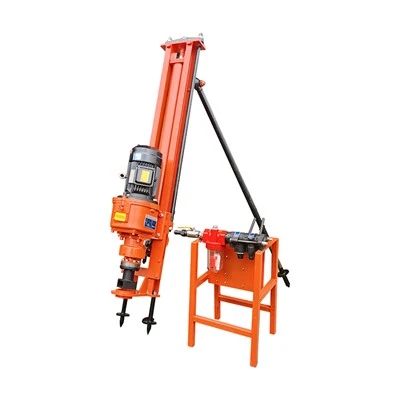
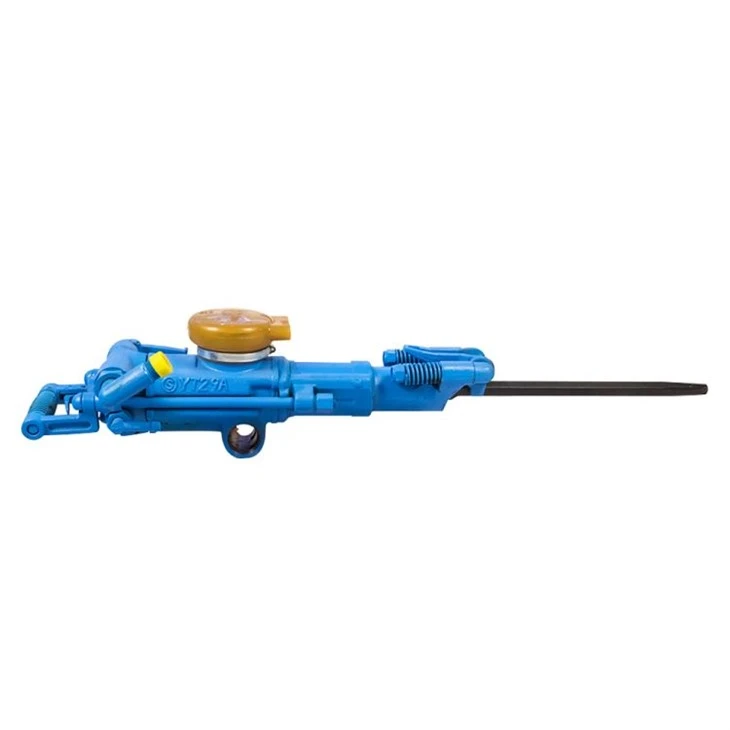
Alright folks, as a supplier of hand held rock drills, I often get asked some pretty interesting questions. One that kept popping up lately is, "Can a hand held rock drill be used for drilling in frozen ground?" Well, let's dive right into it and break this whole thing down.
First off, let me give you a bit of a background. Hand held rock drills are a staple in many construction and mining projects. They're compact, adjustable, and can be used in a variety of settings. You can find out more about the hand held rock drilling equipment we offer on our website. They're powered by different sources, most commonly compressed air, and are designed to break through all kinds of rocks and hard materials.
Frozen ground, on the other hand, is a whole different ballgame. It's not just solid; it's got ice mixed in with the soil and rocks, which makes it extra tough. The temperature plays a huge role here. The colder it gets, the harder the ground becomes, and that presents some unique challenges for our trusty hand held rock drills.
The Challenges of Drilling in Frozen Ground
When you try to drill into frozen ground with a hand held rock drill, there are a few things you're going to run into.
Hardness: Frozen ground can be extremely hard. Think of it like trying to drill into a huge block of granite. The ice in the soil adds a lot of extra strength, and that means you're going to need a drill with some serious power. If your drill doesn't have enough force, it'll just spin in place without making any real progress.
Friction and Heat: Drilling generates a ton of friction, and in normal conditions, that's okay because the surrounding material can absorb and dissipate the heat. But in frozen ground, the ice starts to melt when it gets too hot. That melted ice can create a slushy mess around the drill bit, which not only slows down the drilling process but can also damage the drill bit over time.
Vibrations: Hand held rock drills rely on vibrations to break up the rock. But in frozen ground, those vibrations can cause the ice and soil around the hole to crack. This is called frost heave, and it can make the surface uneven, making it even harder to keep the drill steady.
So, Can It Be Done?
The short answer is yes, it can be done, but there are some crucial factors you need to consider.
Power and Torque: When you're dealing with frozen ground, you need a drill with high power and torque. Look for a drill that's beefed up and can handle the extra stress. Our pneumatic air leg rock drill is a great option. It's got the muscle needed to break through tough frozen ground, thanks to its powerful pneumatic system.
Drill Bit Selection: The type of drill bit you use is also super important. For frozen ground, you'll want a bit that's made of high-quality material, like carbide. Carbide bits are tough and can withstand the extreme conditions without dulling too quickly. You also need a bit with the right design. A pointed or a tapered bit is usually the best bet for breaking through the hard surface of frozen ground.
Cooling and Lubrication: To deal with the heat generated during drilling, you need a good cooling and lubrication system. Some drills have built-in systems that use water or a special coolant to keep the bit cool. This not only helps to prevent damage to the bit but also reduces the risk of creating a slushy mess.
Tips for Success
If you're set on using a hand held rock drill in frozen ground, here are some tips to make the process go smoother.
Pre - Treat the Ground: One way to make your life easier is to pre - treat the ground. You can use a heating element to warm up the area you want to drill. This doesn't have to be a full - scale defrost; just enough to take the edge off the hardness. This makes it easier for the drill bit to penetrate.
Take Breaks: Don't just go at it non - stop. Take regular breaks to let the drill cool down. This gives the frozen ground a chance to settle and also prevents overheating of the drill.
Proper Technique: Make sure you're using the drill correctly. Keep it steady and apply even pressure. Don't try to force it through the ground too quickly, or you could damage the drill or the drill bit.

Alternatives
If all these challenges seem a bit too much, there are alternatives you might want to consider.
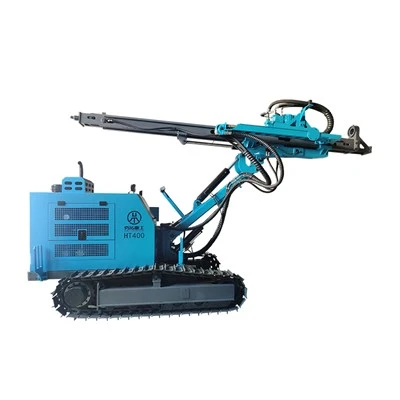
Small Down the Hole Drilling: Small down the hole drilling is another option for drilling in tough ground. This method uses a specialized drill that goes directly into the ground, which can be more effective in frozen conditions. They're designed to handle the extra stress and can drill deeper and faster than a hand held rock drill in some cases.
Conclusion
So, to answer the question, yes, a hand held rock drill can be used for drilling in frozen ground, but it's not without its challenges. If you've got the right drill, the right drill bit, and follow the proper techniques, you can get the job done. But it's important to be prepared for the difficulties you'll face.
As a supplier, I know how important it is to have the right equipment for the job. That's why we offer a wide range of high - quality hand held rock drills and related equipment. If you're thinking about taking on a project in frozen ground, or any other kind of tough environment, don't hesitate to reach out. We're here to help you find the perfect solution for your needs. Whether you have questions about our products or need advice on the best way to use them, we're just a message away. Let's work together to make your project a success!
References
- Johnson, S. (2019). Advanced Drilling Techniques in Extreme Conditions. Mining Publications.
- Smith, R. (2020). Frozen Ground Mechanics and Drilling Applications. Geotechnical Journal.