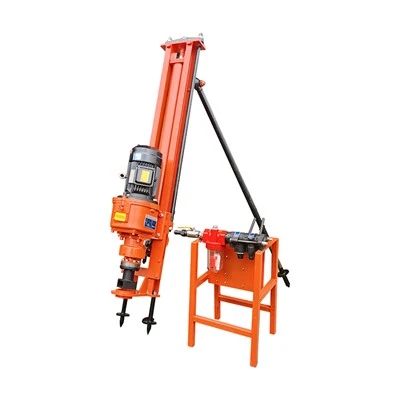
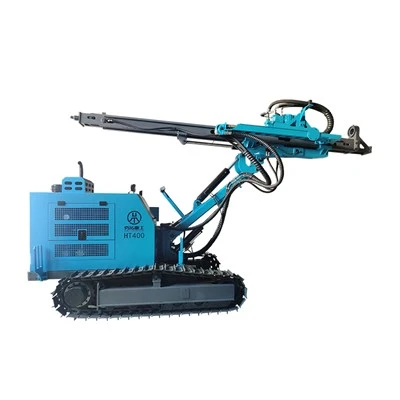
Hey there! As a supplier of crawler mounted drill rigs, I've seen firsthand how crucial maneuverability is in the drilling industry. A drill rig that can easily navigate through different terrains and tight spaces can significantly boost efficiency and productivity. So, in this blog, I'm gonna share some tips on how to improve the maneuverability of a crawler mounted drill rig.
1. Optimize the Crawler Design
The crawler system is the foundation of a crawler mounted drill rig's mobility. First off, the track width and length play a big role. A wider track provides more stability, but it might reduce the rig's ability to turn in tight spaces. On the other hand, a longer track can enhance traction but may also increase the turning radius. You need to find the right balance based on the typical working conditions of your rig.
Another important aspect is the track material. High - quality rubber or steel tracks can make a huge difference. Rubber tracks are quieter and cause less damage to the ground, which is great for working in urban areas or on sensitive surfaces. Steel tracks, however, offer better durability and traction on rough and uneven terrains. For example, if you're mainly working on construction sites with lots of rocks and debris, steel tracks would be a better choice.
We offer a range of crawler mounted drill rigs with different crawler designs to meet various needs. Check out our Crawler Water Well Drilling Rig for more details.
2. Upgrade the Steering System
A good steering system is essential for improving maneuverability. Traditional steering systems might have limitations, especially when it comes to making sharp turns or precise movements. Consider upgrading to a more advanced hydraulic or electronic steering system.
Hydraulic steering systems offer more power and control. They can respond quickly to the operator's commands, allowing for smoother and more accurate turns. Electronic steering systems, on the other hand, can provide even more precise control and can be integrated with other rig functions for better overall performance.
For instance, with an electronic steering system, you can program the rig to follow a specific path, which is really useful for drilling multiple wells in a row with consistent spacing. This not only improves maneuverability but also increases the accuracy of the drilling process.
3. Reduce the Rig's Weight
The weight of the drill rig has a direct impact on its maneuverability. A heavier rig is harder to move around, especially on soft or uneven ground. Look for ways to reduce the weight of the rig without sacrificing its strength and functionality.
One way to do this is by using lightweight but high - strength materials in the rig's construction. For example, some components can be made of aluminum instead of steel. Aluminum is much lighter than steel but still offers sufficient strength for many drilling applications.
Another option is to optimize the rig's design to eliminate any unnecessary parts or components. By streamlining the rig, you can reduce its overall weight and make it more agile.
4. Improve the Power - to - Weight Ratio
The power - to - weight ratio is a key factor in determining how well a drill rig can move. A higher power - to - weight ratio means the rig has more power available to move its weight, resulting in better acceleration and climbing ability.
You can improve the power - to - weight ratio by upgrading the engine or motor of the drill rig. A more powerful engine can provide the necessary torque and horsepower to move the rig more easily, especially on difficult terrains. However, it's important to make sure that the upgraded engine is compatible with the rest of the rig's components.
In addition, proper maintenance of the engine is crucial. Regular oil changes, filter replacements, and tune - ups can keep the engine running at its best, ensuring optimal power output.
5. Enhance Operator Training
Even the most advanced drill rig won't perform well if the operator doesn't know how to use it properly. Providing comprehensive operator training is essential for improving maneuverability.
Operators should be trained on the specific features and functions of the drill rig, including how to use the steering system, control the speed, and navigate different terrains. They should also be taught safety procedures to prevent accidents during operation.
For example, an experienced operator knows how to use the crawler's differential locks to improve traction on slippery surfaces. They can also anticipate the rig's movements and make adjustments in advance to avoid getting stuck or causing damage to the rig.
6. Use Advanced Navigation and Monitoring Systems
Modern technology has made it possible to use advanced navigation and monitoring systems on drill rigs. These systems can provide real - time information about the rig's position, orientation, and movement, which can greatly improve maneuverability.
GPS navigation systems can help operators accurately locate the drilling site and guide the rig to the desired location. They can also provide information about the terrain, such as elevation changes and slopes, allowing the operator to plan the best route for the rig.
Monitoring systems can keep track of the rig's performance, including the engine temperature, oil pressure, and crawler speed. If any issues are detected, the system can alert the operator immediately, preventing potential breakdowns and ensuring smooth operation.
7. Adapt to Different Terrains
Not all terrains are the same, and a drill rig needs to be able to adapt to different conditions. For soft ground, such as mud or sand, you might need to use wider tracks or add additional ground pressure distribution devices to prevent the rig from sinking.
On rocky or uneven terrains, the rig's suspension system becomes crucial. A good suspension system can absorb shocks and vibrations, keeping the rig stable and improving its ability to move over rough surfaces.
We also have Well Drilling Machines that are designed to handle a variety of terrains. You can explore our product range to find the rig that suits your specific needs.
8. Regular Maintenance and Inspection
Regular maintenance and inspection are vital for keeping the drill rig in good working condition and maintaining its maneuverability. Check the crawler tracks for wear and tear, and replace them if necessary. Make sure the steering system is properly lubricated and adjusted.
Inspect the engine, hydraulic system, and other components for any signs of damage or malfunction. By catching and fixing problems early, you can prevent major breakdowns and ensure that the rig operates smoothly.
Conclusion
Improving the maneuverability of a crawler mounted drill rig is a multi - faceted process that involves optimizing the crawler design, upgrading the steering system, reducing weight, improving the power - to - weight ratio, enhancing operator training, using advanced technology, adapting to different terrains, and regular maintenance.
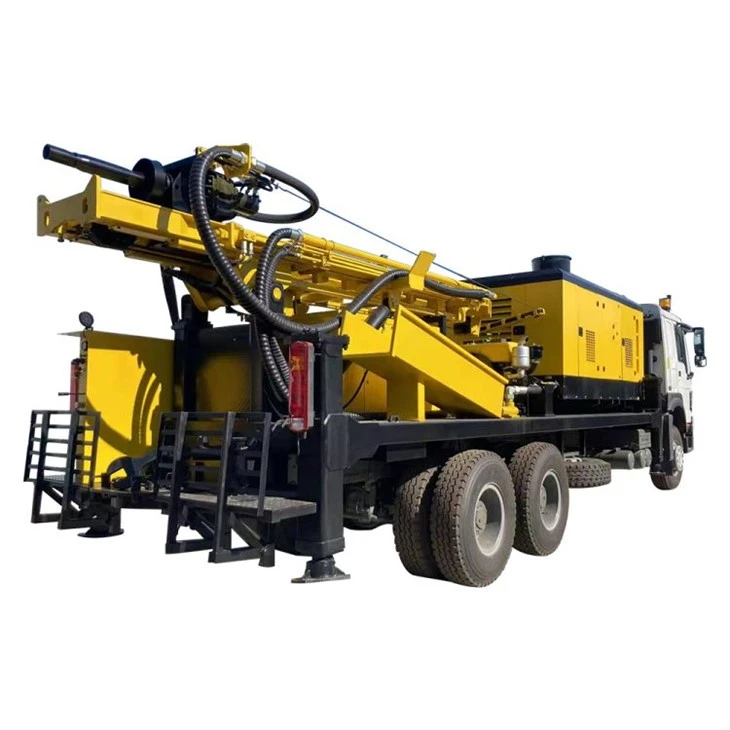
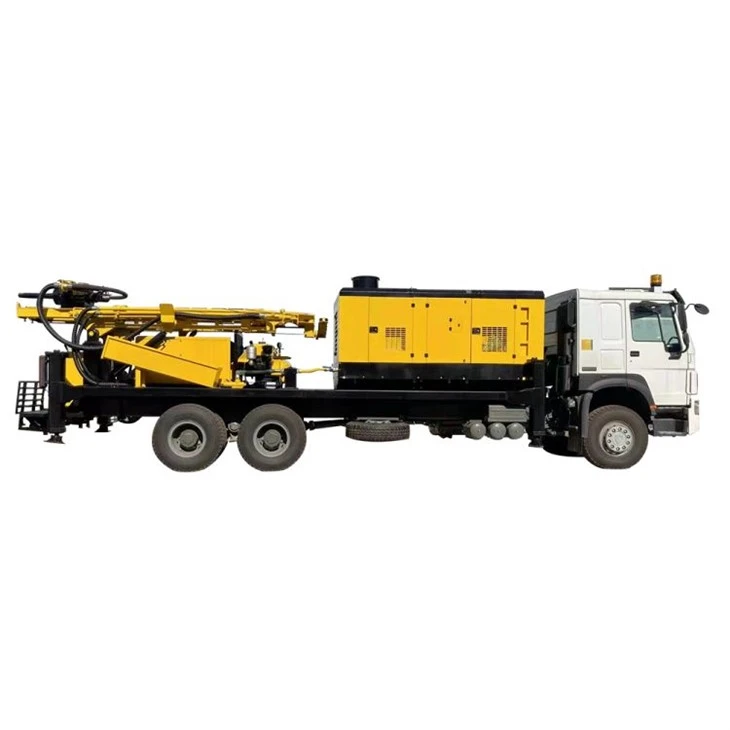
As a supplier of crawler mounted drill rigs, we're committed to providing high - quality products and solutions to meet your drilling needs. Whether you're looking for a Multi - Functional Truck - mounted Water Well Drilling Rig or a crawler - based rig, we have the right equipment for you.
If you're interested in learning more about our products or have any questions about improving the maneuverability of your drill rig, don't hesitate to reach out. We're here to help you make the most of your drilling operations.
References
- Drilling Equipment Handbook, various industry experts
- Technical papers on crawler mounted drill rig design and performance