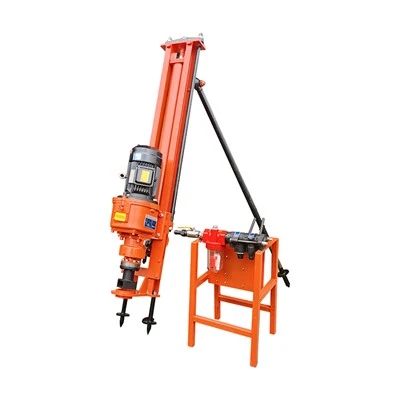
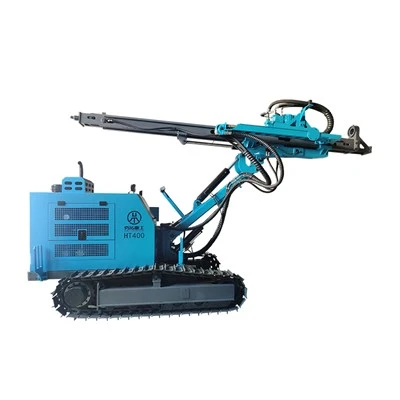
As a supplier of screw air compressors, I often encounter a common question from customers: Can a screw air compressor be used for pneumatic tools? This is a significant query, as the compatibility between air compressors and pneumatic tools can greatly impact the efficiency and performance of various operations. In this blog, I will delve into the details of using screw air compressors for pneumatic tools, exploring the technical aspects, advantages, and considerations.
Technical Compatibility
To understand whether a screw air compressor can be used for pneumatic tools, we first need to look at the basic working principles of both. Screw air compressors operate on the principle of positive displacement. They use two meshing helical rotors to compress air. As the rotors turn, the volume between them decreases, causing the air to be compressed. This process results in a continuous and steady flow of compressed air.
Pneumatic tools, on the other hand, rely on compressed air to generate mechanical motion. They convert the energy of compressed air into useful work, such as drilling, grinding, or fastening. Different pneumatic tools have different requirements for air pressure and flow rate. For example, a small pneumatic nail gun may require a relatively low air pressure and flow rate, while a large pneumatic impact wrench may need a higher pressure and flow to operate effectively.
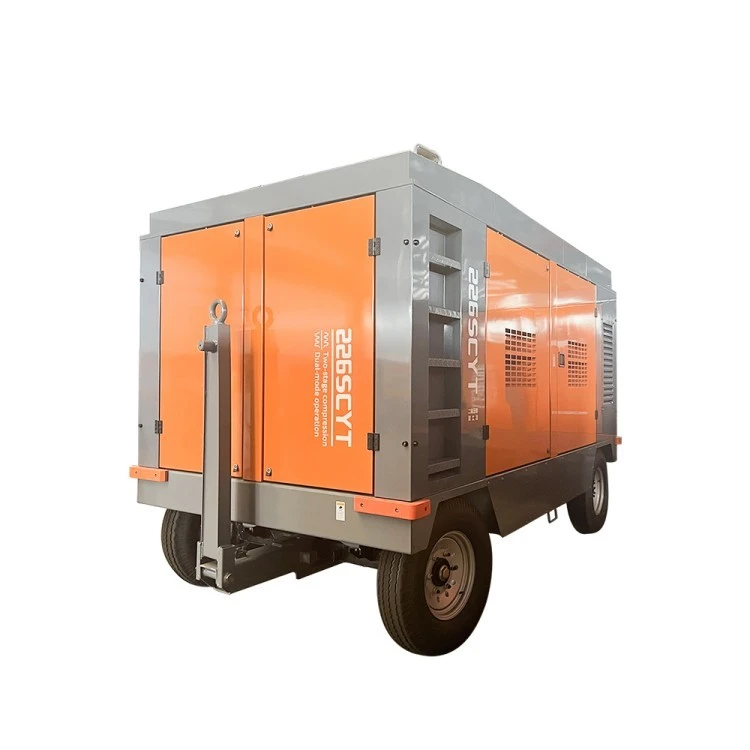
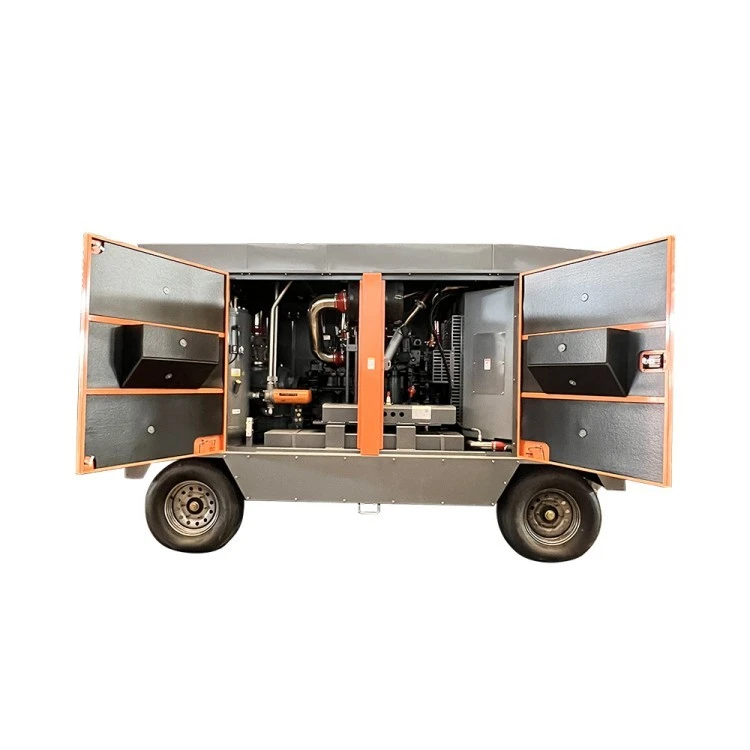
Screw air compressors are well - suited to meet the needs of many pneumatic tools. They can provide a stable and consistent supply of compressed air, which is crucial for the smooth operation of pneumatic tools. The continuous compression process of screw air compressors ensures that there are no significant pressure fluctuations, which could otherwise cause the pneumatic tools to malfunction or operate inefficiently.
Advantages of Using Screw Air Compressors for Pneumatic Tools
High Efficiency
Screw air compressors are known for their high efficiency. They can compress air with less energy consumption compared to some other types of air compressors. This means that when using a screw air compressor to power pneumatic tools, you can save on energy costs in the long run. For industrial applications where pneumatic tools are used extensively, the energy savings can be quite substantial. For instance, a high efficiency screw compressor can provide the necessary compressed air for multiple pneumatic tools simultaneously while consuming less power.
Low Maintenance
Another advantage of screw air compressors is their relatively low maintenance requirements. They have fewer moving parts compared to reciprocating air compressors, which reduces the likelihood of mechanical failures. With proper maintenance, such as regular oil changes and filter replacements, a screw air compressor can have a long service life. This is beneficial for users of pneumatic tools, as it minimizes downtime and ensures that the tools can be used continuously without frequent interruptions due to compressor failures.
Quiet Operation
Screw air compressors generally operate more quietly than reciprocating air compressors. This is an important consideration, especially in indoor or noise - sensitive environments. When using pneumatic tools powered by a screw air compressor, the overall noise level in the workplace can be reduced, creating a more comfortable working environment for operators.
Considerations When Using Screw Air Compressors for Pneumatic Tools
Air Pressure and Flow Rate
It is essential to match the air pressure and flow rate requirements of the pneumatic tools with the output capabilities of the screw air compressor. Each pneumatic tool has a specified operating pressure and flow rate, which can usually be found in the tool's manual. If the air pressure is too low, the pneumatic tool may not operate at its full capacity, resulting in reduced performance. On the other hand, if the air pressure is too high, it can damage the tool. Similarly, an insufficient flow rate can cause the tool to stall or operate erratically.
Air Quality
The quality of the compressed air is also crucial for the proper functioning of pneumatic tools. Screw air compressors may produce compressed air that contains moisture, oil, and other contaminants. These contaminants can cause damage to the internal components of pneumatic tools, such as valves and pistons. Therefore, it is necessary to install appropriate air treatment equipment, such as air dryers and filters, to ensure that the compressed air is clean and dry before it reaches the pneumatic tools.
Compressor Size
Selecting the right size of the screw air compressor is important. A compressor that is too small may not be able to provide enough compressed air for the pneumatic tools, while a compressor that is too large can be wasteful in terms of energy consumption and cost. Consider the number and type of pneumatic tools that will be used simultaneously, as well as their combined air requirements, when choosing a screw air compressor. For example, if you plan to use multiple high - demand pneumatic tools at the same time, a larger Screw Type Air Compressor may be required.
Real - World Applications
Screw air compressors are widely used in various industries to power pneumatic tools. In the automotive industry, they are used to operate pneumatic wrenches, drills, and spray guns. These tools require a reliable and continuous supply of compressed air to perform tasks such as engine assembly, body repair, and painting. A Four Wheel 15 Bar Screw Air Compressor can be easily transported around the workshop and provide the necessary air pressure for these pneumatic tools.
In the construction industry, pneumatic tools are essential for tasks such as concrete breaking, nail driving, and sanding. Screw air compressors can be used to power these tools, providing the high - pressure air needed for efficient operation. Their portability and reliability make them a popular choice on construction sites.
Conclusion
In conclusion, a screw air compressor can indeed be used for pneumatic tools. Its high efficiency, low maintenance, and quiet operation make it a suitable choice for powering a wide range of pneumatic tools. However, it is important to consider factors such as air pressure, flow rate, air quality, and compressor size to ensure optimal performance.
If you are in the market for a screw air compressor to power your pneumatic tools, we are here to help. Our company offers a wide range of high - quality screw air compressors that can meet your specific needs. Whether you need a small, portable compressor for light - duty applications or a large, industrial - grade compressor for heavy - duty tasks, we have the right solution for you. Contact us today to discuss your requirements and start a procurement negotiation. We look forward to working with you to find the perfect screw air compressor for your pneumatic tools.
References
- Compressed Air and Gas Handbook, 4th Edition
- Pneumatic Tools: Principles and Applications by John Doe