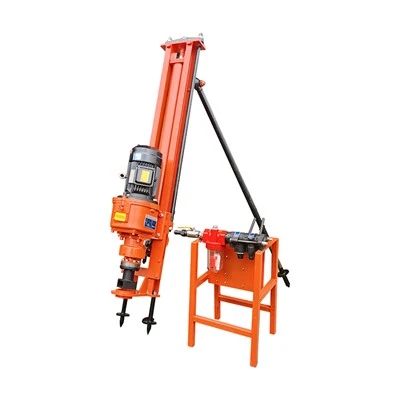
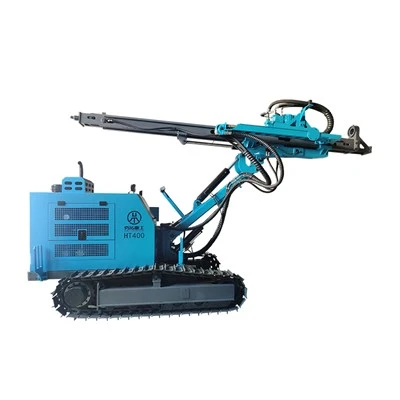
As a supplier of truck drilling water wells, I have witnessed firsthand the challenges associated with waste management during the drilling process. Truck-mounted water well drilling rigs, such as the ones available at Truck-mounted Water Well drilling Rig, are powerful tools that can quickly and efficiently drill deep into the earth to access groundwater. However, this process generates a significant amount of waste, including cuttings, drilling mud, and other debris. In this blog post, I will discuss some effective strategies for dealing with the waste generated during truck drilling water wells.
Understanding the Types of Waste Generated
Before we can discuss how to manage the waste, it's important to understand the different types of waste generated during truck drilling water wells. The primary types of waste include:
- Cuttings: These are the fragments of rock and soil that are removed from the wellbore during the drilling process. Cuttings can vary in size and composition depending on the type of rock and soil being drilled.
- Drilling Mud: Drilling mud is a mixture of water, clay, and chemicals that is used to lubricate the drill bit, carry cuttings to the surface, and maintain the stability of the wellbore. Drilling mud can become contaminated with cuttings, oil, and other substances during the drilling process.
- Other Debris: This includes items such as broken drill bits, casing sections, and other equipment that may be discarded during the drilling process.
Strategies for Managing Waste
Recycling and Reusing Cuttings
One of the most effective ways to manage cuttings is to recycle and reuse them. Cuttings can be crushed and used as aggregate for construction projects, such as road base or concrete. This not only reduces the amount of waste that needs to be disposed of but also provides a cost-effective alternative to traditional aggregate materials.
Treating and Disposing of Drilling Mud
Drilling mud can be treated to remove contaminants and reused in the drilling process. There are several treatment methods available, including mechanical separation, chemical treatment, and biological treatment. Once the drilling mud has been treated, it can be reused in the wellbore or disposed of in an environmentally responsible manner.
Proper Disposal of Other Debris
Other debris, such as broken drill bits and casing sections, should be properly disposed of in accordance with local regulations. This may involve recycling the materials or disposing of them in a landfill. It's important to ensure that all debris is properly labeled and stored to prevent contamination of the environment.
Implementing Best Practices on the Drilling Site
In addition to the above strategies, it's important to implement best practices on the drilling site to minimize the generation of waste. This includes:
- Proper Planning: Before starting the drilling process, it's important to conduct a thorough site assessment to identify potential environmental risks and develop a waste management plan.
- Regular Maintenance: Regular maintenance of the drilling equipment can help to prevent breakdowns and reduce the amount of waste generated.
- Training and Education: Providing training and education to the drilling crew on waste management best practices can help to ensure that waste is managed properly on the site.
The Role of Technology in Waste Management
Advancements in technology have made it possible to manage waste more effectively during the truck drilling water well process. For example, water well drilling rigs are now equipped with advanced filtration systems that can remove contaminants from the drilling mud, making it easier to recycle and reuse. Additionally, new drilling techniques, such as directional drilling, can reduce the amount of waste generated by minimizing the size of the wellbore.
Environmental and Regulatory Considerations
When dealing with waste generated during truck drilling water wells, it's important to consider the environmental and regulatory implications. In many countries, there are strict regulations governing the disposal of waste from drilling operations. These regulations are designed to protect the environment and public health by ensuring that waste is managed in an environmentally responsible manner.
As a supplier of truck drilling water wells, we are committed to helping our customers comply with these regulations. We offer a range of waste management solutions, including waste treatment and disposal services, to ensure that our customers can operate their drilling operations in a sustainable and environmentally friendly manner.
Conclusion
Managing the waste generated during truck drilling water wells is a complex but important task. By understanding the types of waste generated, implementing effective waste management strategies, and leveraging the latest technology, we can minimize the environmental impact of drilling operations and ensure that waste is managed in a responsible manner.
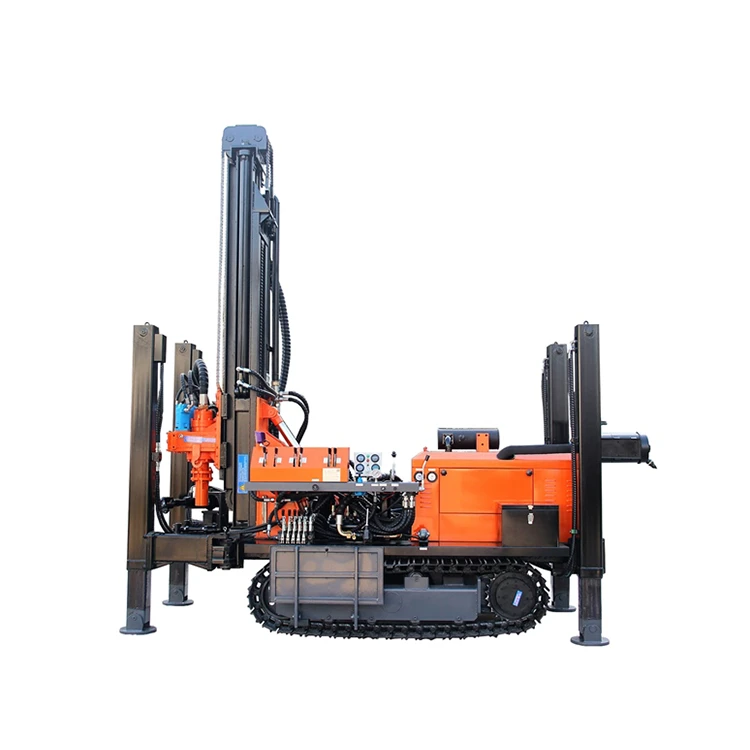
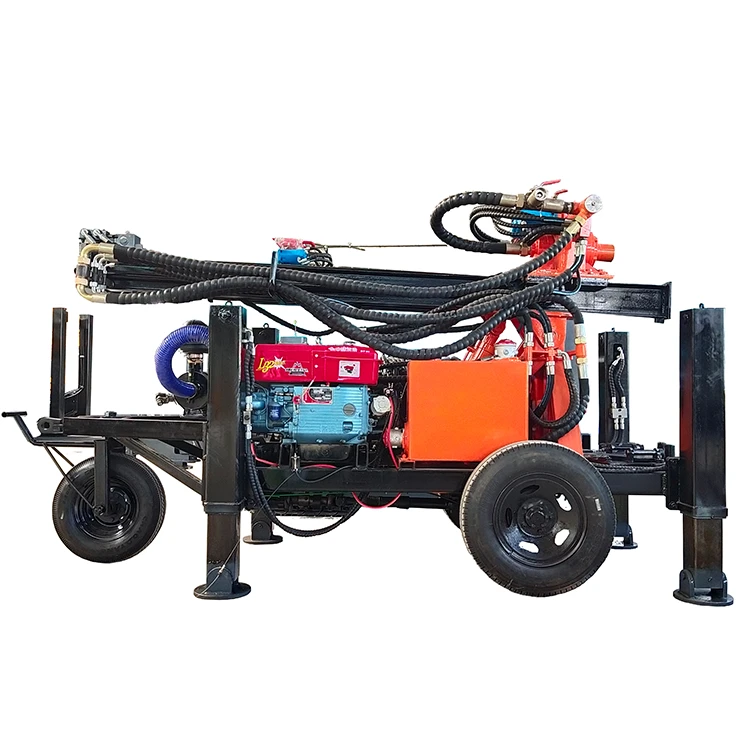
If you are interested in learning more about our Wheels Hydraulic Water Well Drilling Rig or our waste management solutions, please contact us to discuss your specific needs. We look forward to working with you to ensure the success of your water well drilling project.
References
- Environmental Protection Agency. (Year). Guidelines for Waste Management in Drilling Operations.
- American Petroleum Institute. (Year). Recommended Practices for Drilling Waste Disposal.