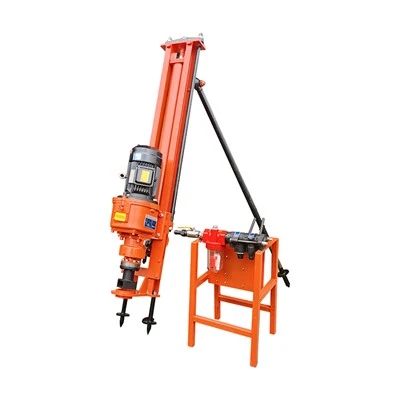
Hey there! As a supplier of hand held rock drills, I've got a ton of experience when it comes to getting these bad boys from point A to point B. Transporting a hand held rock drill might seem like a no - brainer, but there are actually quite a few things you need to keep in mind to ensure it arrives in one piece and is ready to go when it reaches its destination.
Pre - Transport Preparation
First things first, you've got to do a thorough inspection of the hand held rock drill. Check for any loose parts, damaged components, or signs of wear and tear. If you spot anything that looks off, it's better to fix it before you start the transportation process. This not only ensures the safety of the drill but also reduces the risk of further damage during transit.
Next up, clean the drill. A dirty drill can attract moisture and dirt during transport, which can lead to corrosion and other issues. Use a clean cloth to wipe down the exterior, and if necessary, use a mild cleaning solution to get rid of any stubborn grime. Make sure to dry it completely before moving on.
Now, let's talk about lubrication. Proper lubrication is crucial for the smooth operation of the drill. Before packing it up, apply a thin layer of lubricant to all the moving parts. This will prevent rust and keep the drill running smoothly once it's unpacked.


Packaging
Once the drill is prepped, it's time to focus on packaging. You want to use a sturdy and well - padded container. A custom - made case is ideal, but if you don't have one, a heavy - duty cardboard box can work too. Line the box with foam padding or bubble wrap to provide a cushioning effect.
Place the drill in the center of the box and surround it with more padding. Make sure the drill is held firmly in place and can't move around during transit. You can use straps or ties to secure it if needed. Also, don't forget to pack any accessories, like drill bits, in separate compartments or small bags within the box. This will prevent them from getting lost or damaging the drill.
Choosing the Right Transport Method
There are several options when it comes to transporting a hand held rock drill. The choice depends on various factors, such as the distance, the urgency of delivery, and your budget.
Local Delivery
If you're delivering the drill locally, you can use a van or a truck. Make sure the vehicle is clean and dry to prevent any damage from dirt or moisture. Secure the box in the vehicle using ropes or straps to prevent it from shifting during the journey.
Domestic Shipping
For domestic shipping, you can use a courier service or a freight carrier. Courier services are usually faster and more convenient, but they can be more expensive. Freight carriers, on the other hand, are better for larger shipments and longer distances. When choosing a shipping provider, look for one with a good reputation for handling heavy and fragile items.
International Shipping
Shipping a hand held rock drill internationally is a bit more complicated. You'll need to deal with customs regulations, import duties, and shipping insurance. It's a good idea to work with a freight forwarder who has experience in international shipping. They can help you navigate the complex process and ensure that your drill arrives safely at its destination.
Labeling and Documentation
Proper labeling is essential for the smooth transportation of the drill. Clearly mark the box as "Fragile" and "Handle with Care." Include the recipient's address, your contact information, and any special instructions.
You'll also need to prepare the necessary documentation. This includes a bill of lading, which details the contents of the shipment, and a commercial invoice. If you're shipping internationally, you may need additional documents, such as a certificate of origin. Make sure all the documents are accurate and up - to - date.
Insurance
No matter how careful you are, there's always a risk of damage during transit. That's why it's important to get shipping insurance. Most shipping providers offer insurance options, so make sure to choose one that provides adequate coverage for the value of the drill. This will give you peace of mind knowing that you're protected in case something goes wrong.
After - Transport Checks
Once the drill arrives at its destination, it's important to do another inspection. Check for any signs of damage that may have occurred during transit. If you notice any issues, document them immediately and contact the shipping provider or your insurance company.
Before using the drill, make sure to re - lubricate any parts that may have dried out during transport. Also, test the drill to ensure it's working properly. If there are any problems, don't hesitate to contact our technical support team.
Related Products
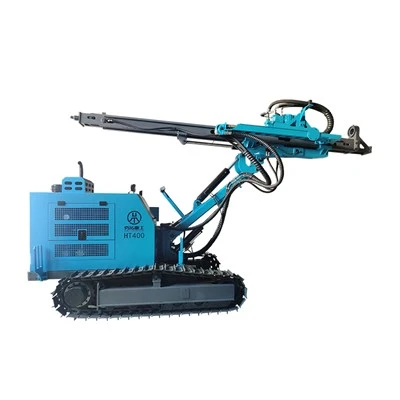
If you're interested in other types of rock drilling equipment, we also offer the Integrated Open - pit Down - the - hole Drill Rig and the pneumatic air leg rock drill. These products are designed to meet different drilling needs and are built with high - quality materials for durability and performance. You can also check out our hand held rock drilling equipment for more options.
Conclusion
Transporting a hand held rock drill requires careful planning and attention to detail. By following these steps, you can ensure that your drill arrives safely and is ready to use when it reaches its destination. If you have any questions about transporting our products or are interested in purchasing a hand held rock drill, feel free to reach out. We're here to help you with all your rock drilling equipment needs.
References
- General industry knowledge on rock drill transportation
- Experience from years of supplying hand held rock drills