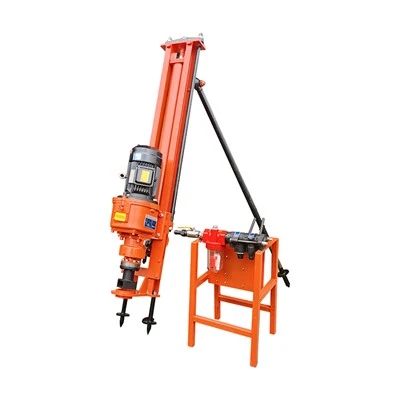
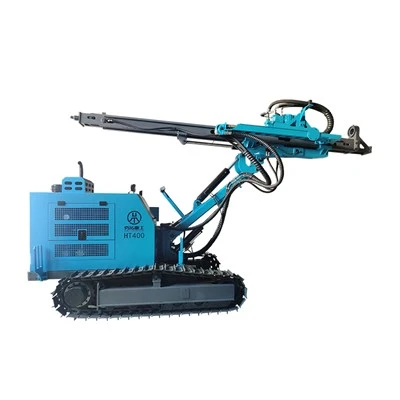
Hey there! As a DTH hammer supplier, I often get asked a bunch of questions about where our hammers can be used. One question that pops up quite a bit is, "Can a DTH hammer be used in sandy soil?" Well, let's dig into this topic and find out.
First off, let's understand what a DTH hammer is. A DTH, or down-the-hole, hammer is a powerful tool used in drilling operations. It works by delivering high-impact blows directly to the drill bit, which helps break through different types of rock and soil. There are different types of DTH hammers, like the High Pressure DTH Hammer and the high air pressure dth hammer, which are designed for more challenging drilling conditions, and the Low Pressure Down-the-hole Hammer, which is a bit more suitable for less demanding jobs.
Now, let's talk about sandy soil. Sandy soil is made up of large particles that don't stick together very well. It's loose, drains water quickly, and doesn't have a lot of cohesion. This is quite different from other types of soil, like clay or loam, which have smaller particles and more cohesion.
So, can a DTH hammer be used in sandy soil? The short answer is yes, but there are some things to consider.
Advantages of Using a DTH Hammer in Sandy Soil
One of the main advantages of using a DTH hammer in sandy soil is its efficiency. Since sandy soil is relatively easy to break through compared to hard rock, the DTH hammer can work quickly. The high-impact blows from the hammer can easily displace the loose sand particles, allowing the drill bit to move forward smoothly. This means you can complete your drilling project in less time, which is always a plus.
Another advantage is the precision. DTH hammers are designed to provide accurate drilling. In sandy soil, this precision can be even more useful. You can drill straight holes with minimal deviation, which is important for many applications, like installing foundations or wells.
Challenges of Using a DTH Hammer in Sandy Soil
However, there are also some challenges when using a DTH hammer in sandy soil. One of the biggest challenges is the lack of support. Since sandy soil is loose, there's not much to hold the drill bit in place. This can cause the drill bit to wobble or deviate from the intended path. To overcome this, you may need to use additional stabilizers or guides to keep the drill bit on track.
Another challenge is the dust. Drilling in sandy soil can create a lot of dust, which can be a health hazard for the workers and can also damage the equipment. You'll need to have proper dust control measures in place, like using dust collectors or water sprays, to minimize the dust.
Choosing the Right DTH Hammer for Sandy Soil
When it comes to choosing the right DTH hammer for sandy soil, you need to consider a few factors. First, you need to think about the size of the hammer. A smaller hammer may be more suitable for shallow drilling in sandy soil, while a larger hammer may be needed for deeper holes.
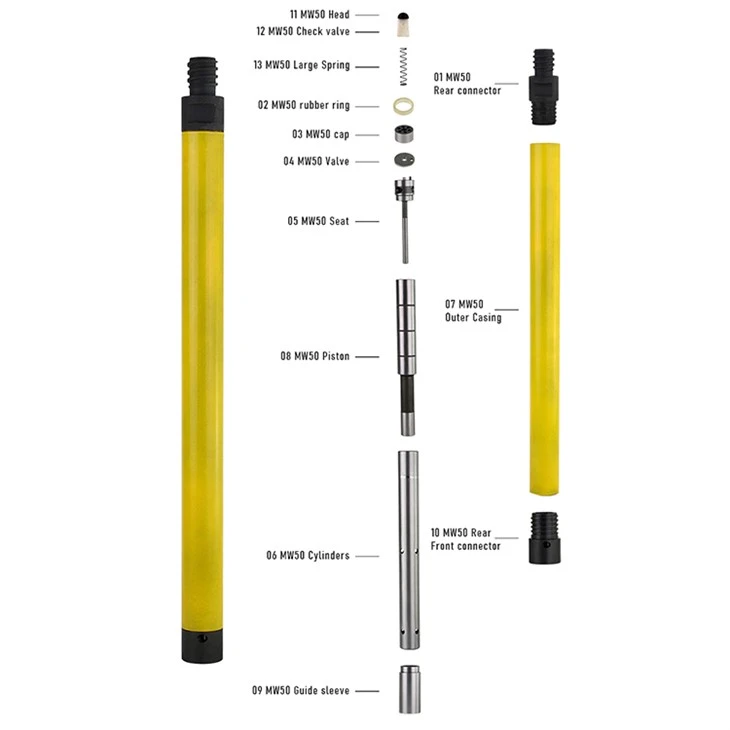
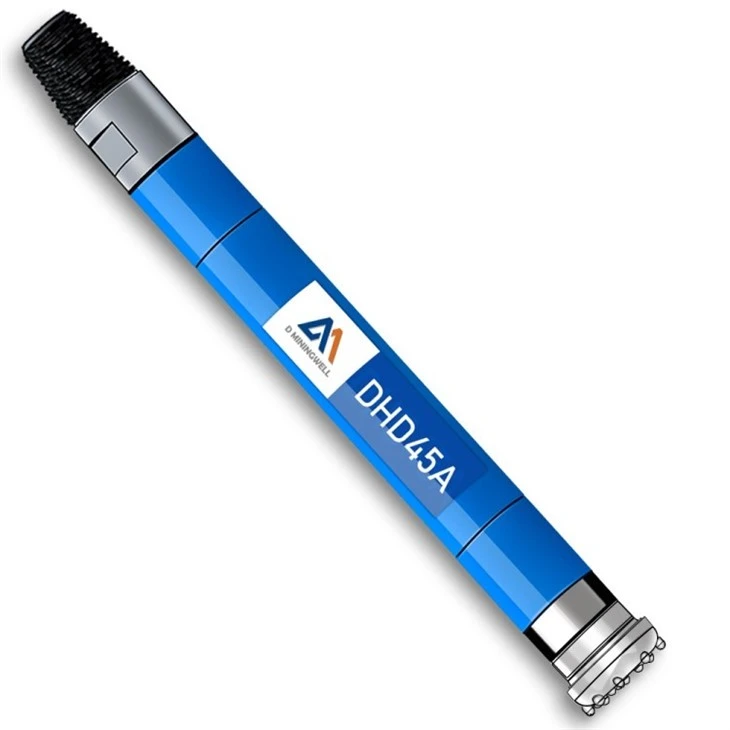
You also need to consider the air pressure. As I mentioned earlier, there are high-pressure and low-pressure DTH hammers. For sandy soil, a low-pressure DTH hammer may be a better choice. It can provide enough power to break through the sand without causing too much damage to the soil or the equipment.
Tips for Using a DTH Hammer in Sandy Soil
Here are some tips to help you use a DTH hammer effectively in sandy soil:
- Start slow: When you first start drilling, start at a slow speed to allow the drill bit to get used to the sandy soil. This can help prevent the drill bit from getting stuck or deviating from the path.
- Use the right drill bit: Choose a drill bit that is suitable for sandy soil. A bit with a wide cutting edge can help displace the sand more easily.
- Monitor the drilling process: Keep an eye on the drilling process to make sure everything is going smoothly. If you notice any problems, like excessive wobbling or dust, stop the drilling and make the necessary adjustments.
Conclusion
In conclusion, a DTH hammer can definitely be used in sandy soil. It offers many advantages, like efficiency and precision, but also comes with some challenges, like lack of support and dust. By choosing the right hammer, following the tips I mentioned, and taking the necessary precautions, you can use a DTH hammer effectively in sandy soil.
If you're interested in purchasing a DTH hammer for your sandy soil drilling project, I'd love to help. We have a wide range of DTH hammers to choose from, and our team of experts can help you find the right one for your needs. Just reach out, and we can start the conversation about your project and how our DTH hammers can make it a success.
References
- "Drilling in Different Soil Types" - Geotechnical Engineering Handbook
- "DTH Hammer Technology and Applications" - Drilling Equipment Magazine