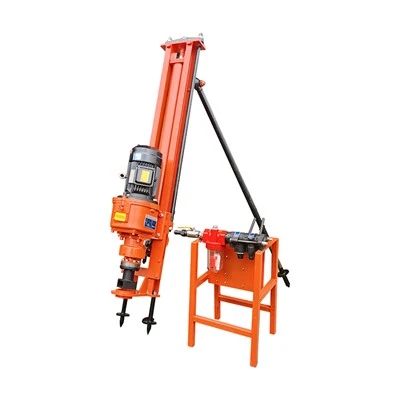
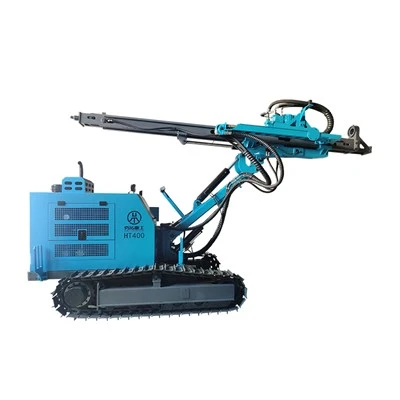
As a core drilling rig supplier, I often receive inquiries from customers in various regions, including those in high - altitude areas. The question of whether a core drilling rig can be used in high - altitude areas is a crucial one, and I'd like to share some insights based on our industry experience and scientific knowledge.
Challenges in High - Altitude Areas
Reduced Air Density
One of the most significant challenges in high - altitude areas is the reduced air density. As the altitude increases, the air becomes thinner, which directly affects the performance of internal combustion engines commonly used in core drilling rigs. Internal combustion engines rely on the intake of air for the combustion process. With less oxygen available in the thin air, the engine may experience a decrease in power output. For example, a drilling rig that operates at sea - level with a certain horsepower may lose a significant percentage of its power when used at high altitudes. This can lead to slower drilling speeds, reduced torque, and overall inefficiency in the drilling operation.
Temperature Variations
High - altitude areas also experience extreme temperature variations. During the day, the sun can heat up the surface significantly, while at night, the temperature can drop to freezing or even below. These rapid temperature changes can have a detrimental effect on the drilling rig's components. For instance, the hydraulic fluids used in modern core drilling rigs are sensitive to temperature. In cold temperatures, the viscosity of the hydraulic fluid increases, which can lead to slower actuator movements and potential damage to the hydraulic system. On the other hand, high temperatures can cause the fluid to break down, reducing its lubricating properties and increasing the risk of component wear.
Harsh Weather Conditions
In addition to temperature variations, high - altitude areas are often prone to harsh weather conditions such as strong winds, heavy snow, and intense sunlight. Strong winds can make it difficult to stabilize the drilling rig, increasing the risk of accidents and misalignments. Heavy snow can cover the rig, making it difficult to access and operate. Intense sunlight can cause UV damage to the rig's exterior components, leading to premature aging and corrosion.
Adaptations for High - Altitude Use
Engine Modifications
To overcome the issue of reduced air density, engine modifications are often necessary. Some core drilling rigs can be equipped with turbochargers or superchargers. These devices force more air into the engine's cylinders, compensating for the thin air at high altitudes. By increasing the air intake, the engine can maintain a more consistent power output, allowing the drilling rig to operate more efficiently. Additionally, engine tuning can be adjusted to optimize the fuel - air mixture for high - altitude conditions. This ensures that the engine burns fuel more effectively, reducing emissions and improving performance.
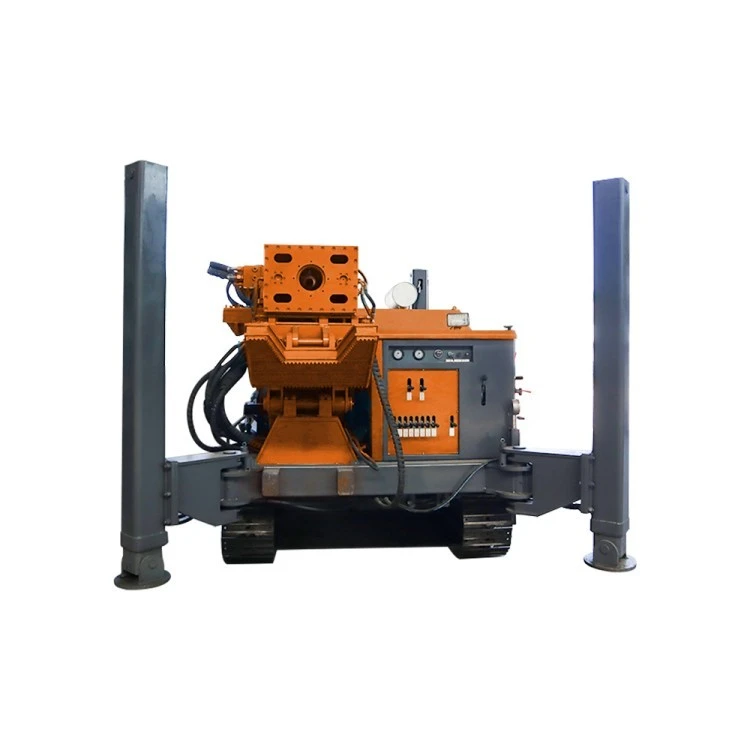
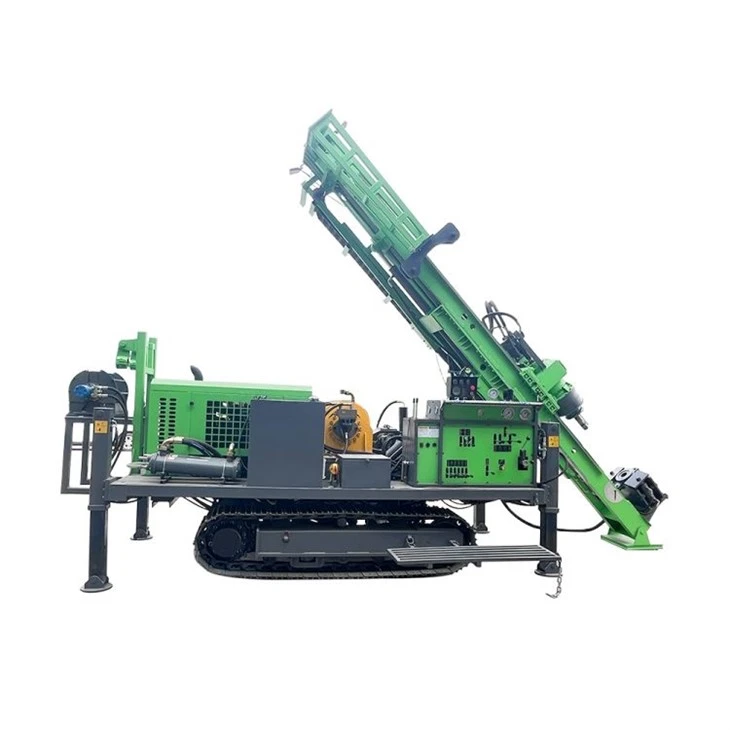
Temperature - Resistant Components
To deal with the extreme temperature variations, core drilling rigs can be fitted with temperature - resistant components. For the hydraulic system, special high - and low - temperature hydraulic fluids can be used. These fluids are designed to maintain their viscosity and lubricating properties over a wide range of temperatures. The rig's electrical components can also be protected with insulation and heat - resistant coatings to prevent damage from temperature fluctuations.
Weather - Proofing
To withstand harsh weather conditions, the drilling rig can be designed with weather - proofing features. This includes enclosing the control panels and sensitive components in weather - tight cabinets. The rig's exterior can be treated with anti - corrosion coatings to protect against UV damage and rust. Wind - resistant structures can also be added to improve the rig's stability in high - wind conditions.
Our Core Drilling Rigs for High - Altitude Areas
At our company, we offer a range of core drilling rigs that are suitable for high - altitude areas. Our wireline core drilling rigs are designed with advanced engine technology and temperature - resistant components. The wireline system allows for efficient retrieval of core samples without the need to pull the entire drill string out of the hole, which is especially useful in high - altitude areas where time and labor are precious.
Our Portable Core Drilling Rig is another great option for high - altitude operations. Its portability makes it easy to transport to remote high - altitude sites. The rig is also equipped with features to withstand harsh weather conditions, ensuring reliable performance even in the most challenging environments.
For more demanding high - altitude projects, our 1000m Full Hydraulic Core Drilling Rig offers high - power drilling capabilities. With its advanced hydraulic system and robust construction, it can handle the reduced air density and extreme temperature variations typical of high - altitude areas.
Conclusion
In conclusion, while there are significant challenges in using a core drilling rig in high - altitude areas, with the right adaptations and equipment, it is indeed possible. Our company is committed to providing high - quality core drilling rigs that are specifically designed to meet the unique requirements of high - altitude operations. If you are planning a drilling project in a high - altitude area, we encourage you to contact us to discuss your needs. Our team of experts can help you select the most suitable drilling rig and provide you with the necessary support for a successful project.
References
- Smith, J. (2018). Drilling Equipment in Extreme Environments. Journal of Drilling Technology, 25(3), 123 - 135.
- Johnson, A. (2019). Engine Adaptations for High - Altitude Use. Automotive Engineering Review, 32(2), 45 - 52.
- Brown, C. (2020). Temperature - Resistant Materials in Drilling Equipment. Materials Science Journal, 18(4), 78 - 85.