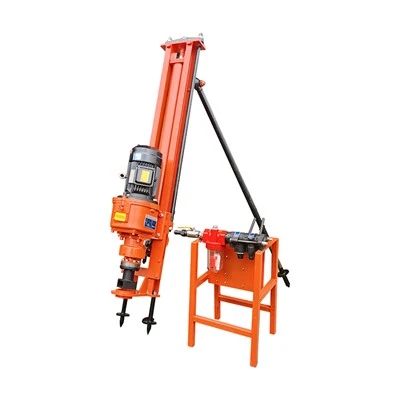
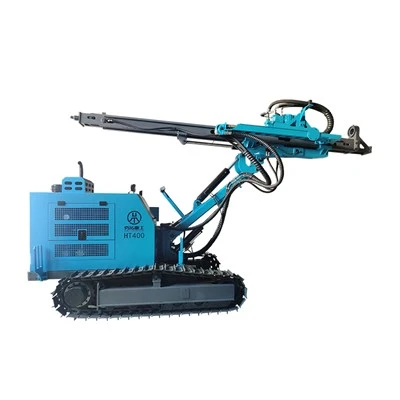
As a supplier of pneumatic rock drilling rigs, I understand the importance of regular maintenance and component replacement to ensure the optimal performance and longevity of these powerful machines. Pneumatic rock drilling rigs are widely used in various industries, including mining, construction, and quarrying, where they are subjected to harsh working conditions and heavy usage. In this blog post, I will discuss the key parts that need to be replaced regularly in a pneumatic rock drilling rig and why these replacements are crucial for the efficient operation of the equipment.
Drill Bits
Drill bits are one of the most critical components of a pneumatic rock drilling rig, as they are directly responsible for breaking through the rock. Over time, drill bits wear down due to the high levels of friction and impact they experience during the drilling process. Worn drill bits can lead to reduced drilling efficiency, slower penetration rates, and increased energy consumption. Additionally, dull drill bits can cause excessive vibration and stress on the drilling rig, which can lead to premature wear and damage to other components.
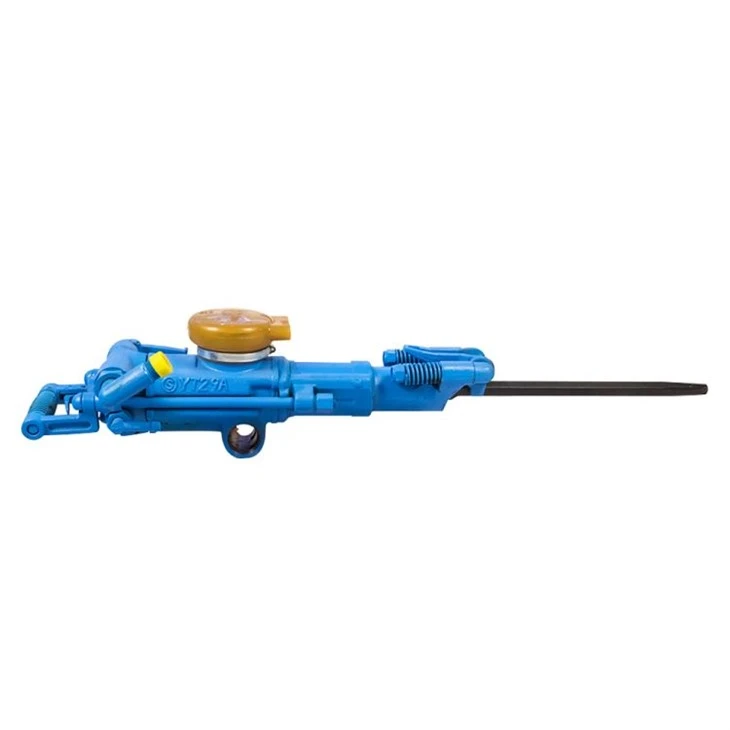
It is recommended to replace drill bits regularly, depending on the type of rock being drilled, the drilling conditions, and the frequency of use. In general, drill bits should be inspected before each use, and replaced as soon as signs of wear or damage are detected. For more information on hand held rock drilling equipment, including drill bits, you can visit our website hand held rock drilling equipment.
Air Filters
Air filters play a crucial role in protecting the pneumatic system of a rock drilling rig from contaminants such as dust, dirt, and debris. These contaminants can cause damage to the compressor, valves, and other components of the pneumatic system, leading to reduced performance and increased maintenance costs. Regularly replacing air filters helps to ensure that the air entering the pneumatic system is clean and free of contaminants, which in turn helps to extend the life of the equipment and improve its efficiency.
The frequency of air filter replacement depends on the operating environment and the level of dust and debris present. In dusty or dirty environments, air filters may need to be replaced more frequently than in cleaner environments. It is important to follow the manufacturer's recommendations for air filter replacement to ensure optimal performance and protection of the pneumatic system.
Piston Seals
Piston seals are used to prevent air leakage in the pneumatic cylinders of a rock drilling rig. Over time, these seals can wear out due to the high pressure and friction they are subjected to during operation. Worn piston seals can lead to reduced air pressure, decreased drilling power, and increased energy consumption. In addition, air leakage can cause the pneumatic cylinders to overheat, which can lead to premature failure of the seals and other components.
Regularly inspecting and replacing piston seals is essential to maintain the efficiency and performance of the pneumatic system. Signs of worn piston seals include reduced drilling power, increased air consumption, and visible air leakage around the cylinders. If you notice any of these signs, it is important to replace the piston seals as soon as possible to prevent further damage to the equipment.
Valves
Valves are an integral part of the pneumatic system of a rock drilling rig, controlling the flow of air and regulating the pressure. Over time, valves can become worn or damaged due to the high pressure and frequent operation. Worn valves can lead to reduced performance, inefficient operation, and even system failures.
Regular inspection and maintenance of valves are necessary to ensure their proper functioning. This includes checking for leaks, cleaning or replacing valve seats, and lubricating moving parts as recommended by the manufacturer. If a valve is found to be damaged or malfunctioning, it should be replaced immediately to prevent further damage to the pneumatic system.
Hoses and Fittings
Hoses and fittings are used to connect various components of the pneumatic system, allowing the flow of air to the drill bit and other parts of the rig. These components are subject to constant movement, vibration, and pressure, which can cause them to wear out or become damaged over time.
Inspect hoses regularly for signs of wear, such as cracks, abrasions, or bulges. Replace any damaged hoses immediately to prevent air leakage and potential safety hazards. Fittings should also be checked for tightness and proper sealing. Loose or damaged fittings can lead to air leaks, which can reduce the efficiency of the pneumatic system and increase energy consumption.
Lubricators
Lubricators are used to provide lubrication to the moving parts of the pneumatic system, reducing friction and wear. Over time, the lubricant can become contaminated or depleted, reducing its effectiveness. Regularly checking and refilling lubricators is essential to ensure proper lubrication of the pneumatic components.
Follow the manufacturer's recommendations for the type and amount of lubricant to use. Using the wrong type of lubricant or over-lubricating can cause damage to the components. Additionally, make sure to clean the lubricator regularly to prevent the build-up of contaminants.
Impact Plates
Impact plates are located at the end of the drill rod and are responsible for transmitting the impact energy from the piston to the drill bit. These plates are subjected to high levels of stress and impact during the drilling process, which can cause them to wear out or crack over time.
Worn or damaged impact plates can lead to reduced drilling efficiency, increased vibration, and potential damage to the drill bit and other components. Regularly inspect impact plates for signs of wear or damage, and replace them as needed to maintain optimal drilling performance.
Feed Cables and Chains
In rigs with a feed system, cables and chains are used to control the movement of the drill head. These components are subject to constant tension and wear, especially in high-frequency drilling operations.
Inspect feed cables and chains regularly for signs of fraying, stretching, or damage. Replace any worn or damaged cables or chains immediately to prevent system failures and ensure safe and efficient operation of the drilling rig.
Importance of Regular Replacement
Regularly replacing these components is not only important for maintaining the performance and efficiency of the pneumatic rock drilling rig but also for ensuring the safety of the operators. Worn or damaged components can lead to unexpected breakdowns, which can cause delays in the project and potentially endanger the lives of the workers.
By investing in regular maintenance and component replacement, you can extend the lifespan of your pneumatic rock drilling rig, reduce the risk of costly repairs, and improve the overall productivity of your operations. For more information on our Integrated Open-pit Down-the-hole Drill Rig and mini pneumatic drill, visit our website.

Contact Us for Procurement
If you are in the market for a new pneumatic rock drilling rig or need to replace parts for your existing rig, we are here to help. Our team of experts can provide you with the right equipment and parts to meet your specific needs. We offer high-quality products at competitive prices, along with excellent customer service and technical support.
Contact us today to discuss your procurement needs and to learn more about how our pneumatic rock drilling rigs and parts can benefit your operations. We look forward to working with you to achieve your drilling goals.
References
- Manufacturer's manuals for pneumatic rock drilling rigs
- Industry standards and best practices for pneumatic equipment maintenance
- Technical literature on rock drilling technology and equipment