Hey there! As a supplier of water well drilling equipment, I often get asked about the regulations surrounding the use of this kind of gear. It's a super important topic, and I'm here to break it down for you in a way that's easy to understand.
First off, let's talk about why there are regulations in the first place. Water well drilling isn't just about sticking a drill in the ground and pulling up water. It involves a whole bunch of factors that can impact the environment, public health, and safety. For example, if a well isn't drilled properly, it could contaminate the groundwater, which is a major no - no. Also, there are safety concerns for the workers operating the equipment and the people living nearby.
Local Regulations
One of the first things you need to know is that regulations can vary a lot depending on where you are. Local governments, like cities or counties, often have their own set of rules. These can cover everything from where you can drill a well to how deep it can be. Some areas might have strict zoning laws that limit well drilling to certain parts of the city or town. For instance, you might not be allowed to drill a well in a residential area if it's too close to a septic system.
Another common local regulation is about the construction of the well itself. The well casing, which is like a tube that lines the well, has to meet certain standards. It needs to be made of the right materials and be installed correctly to prevent contaminants from getting into the water. Local authorities might also require you to get a permit before you start drilling. This permit process usually involves submitting detailed plans about the well, including its location, depth, and the type of equipment you'll be using.
State Regulations
On top of local rules, most states have their own regulations for water well drilling. State agencies are usually in charge of overseeing things like water quality and well construction standards. They'll set guidelines for things like the minimum distance between wells and other sources of contamination, such as gas stations or industrial sites.
State regulations also often cover the licensing of water well drillers. To operate legally, drillers usually need to pass an exam and get a license. This ensures that they have the knowledge and skills to drill a well safely and correctly. As a water well drilling equipment supplier, I know that these state - level regulations can have a big impact on our customers. They need to make sure that the equipment they're using meets the state's standards. For example, some states might require that the drilling rig has certain safety features, like emergency shut - off switches.
Federal Regulations
At the federal level, there are also some regulations that apply to water well drilling. The Environmental Protection Agency (EPA) plays a big role here. The EPA is concerned with protecting the nation's water resources, and they have regulations related to groundwater protection. While the EPA doesn't directly regulate every well drilling project, their rules can influence state and local regulations.
For example, the Safe Drinking Water Act (SDWA) sets standards for drinking water quality. This indirectly affects water well drilling because wells that are used for drinking water need to meet these standards. If a well doesn't meet the SDWA standards, it could pose a health risk to the people using the water.
Impact on Equipment Use
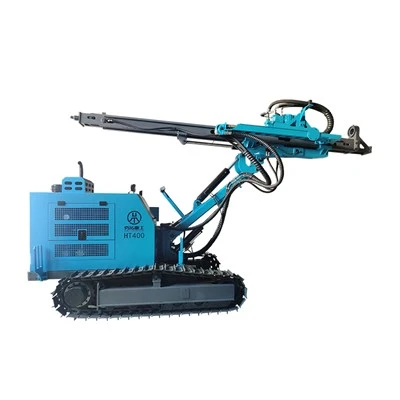
So, how do these regulations impact the use of water well drilling equipment? Well, first of all, the equipment needs to be up to code. As I mentioned earlier, some states might require specific safety features on the drilling rigs. This means that as a supplier, we have to make sure that the equipment we sell meets these requirements. For example, our Tractor Mounted Water Well Drilling Rig is designed with safety in mind, and we ensure that it can be used in compliance with most state and local regulations.
The regulations also affect how the equipment is used. For instance, if there are strict rules about the depth of the well, the driller has to use the equipment in a way that can accurately control the drilling depth. Some regulations might also limit the type of drilling methods that can be used. For example, in areas with sensitive groundwater resources, certain high - pressure drilling methods might be prohibited because they could disrupt the groundwater flow.
Our Equipment and Regulations
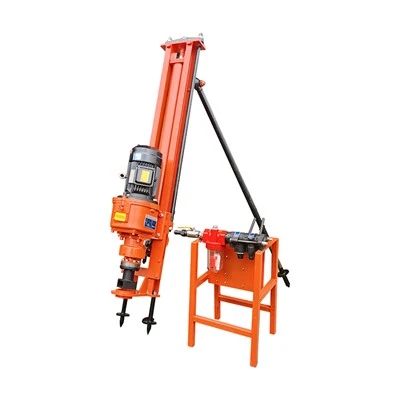
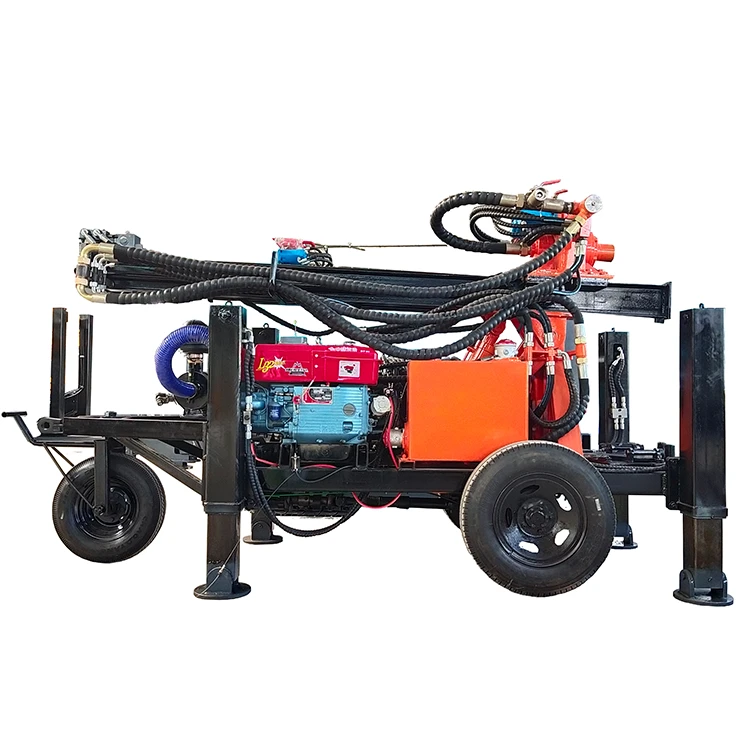
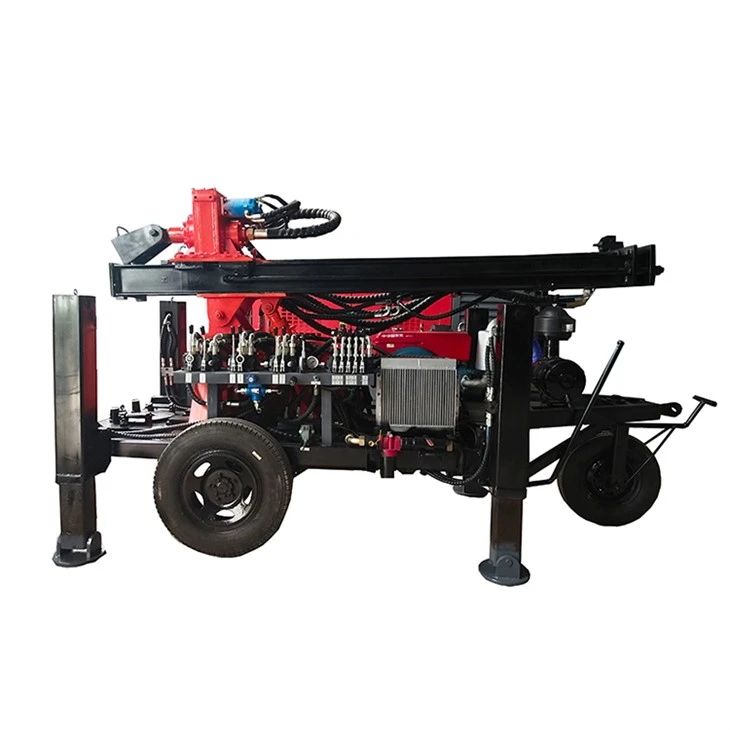
As a water well drilling equipment supplier, we're always keeping an eye on the latest regulations. We work closely with our customers to make sure they understand the rules and that the equipment they buy from us can be used legally. We offer a range of equipment, including small water well drilling rig and Wheels Hydraulic Water Well Drilling Rig, all of which are designed to meet the highest industry standards.
We also provide training and support to our customers. We know that understanding and complying with regulations can be a headache, so we're here to help. Whether it's explaining the local permit process or making sure the equipment is set up correctly, we've got your back.
Why Compliance Matters
Complying with these regulations isn't just about following the law. It's also about protecting the environment and public health. When wells are drilled correctly and in accordance with the regulations, the water they produce is more likely to be safe to drink. This is especially important in areas where people rely on well water as their main source of drinking water.
From a business perspective, compliance is also crucial. If you don't follow the regulations, you could face fines or even legal action. This can be a huge setback for any water well drilling company. And as a supplier, we want our customers to be successful, so we do everything we can to help them stay on the right side of the law.
Wrapping Up
In conclusion, there are definitely regulations regarding the use of water well drilling equipment. These regulations come from local, state, and federal levels and cover a wide range of aspects, from well location to equipment safety. As a water well drilling equipment supplier, we're committed to helping our customers navigate these regulations. We offer high - quality equipment that meets the necessary standards and provide the support they need to drill wells safely and legally.
If you're in the market for water well drilling equipment and want to learn more about how our products can help you comply with regulations, don't hesitate to reach out. We're here to answer your questions and help you find the right equipment for your needs. Let's work together to ensure that your water well drilling projects are a success!
References
- Environmental Protection Agency (EPA). Safe Drinking Water Act.
- Various state and local government websites for specific regulations.