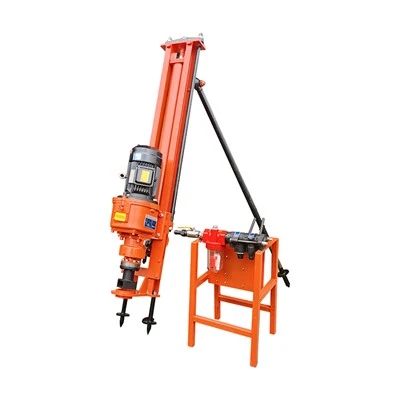
When it comes to rock drilling operations, pneumatic air leg rock drills are a popular choice due to their efficiency, reliability, and versatility. As a leading supplier of pneumatic air leg rock drill, I often receive inquiries about the size of these drills. In this blog post, I will delve into the various aspects of the size of pneumatic air leg rock drills, including their physical dimensions, weight, and how these factors impact their performance and application.
Physical Dimensions
The physical dimensions of a pneumatic air leg rock drill can vary significantly depending on the model and its intended use. Generally, these drills are designed to be compact and portable, allowing for easy transportation and maneuverability in different working environments. However, the specific length, width, and height can differ based on the drill's power output, the type of air leg used, and additional features.
The length of a pneumatic air leg rock drill typically ranges from around 600 mm to 1,200 mm. Shorter drills are often more suitable for confined spaces or applications where precision is crucial, such as in small-scale mining or tunneling projects. On the other hand, longer drills may offer greater reach and stability, making them ideal for larger-scale operations or when drilling at greater depths.
The width of the drill is another important dimension to consider. Most pneumatic air leg rock drills have a width of between 100 mm and 200 mm. A narrower drill can be advantageous in tight spaces, while a wider drill may provide more stability and support during the drilling process.
The height of the drill, including the air leg, can vary depending on the adjustable range of the air leg. Air legs are designed to provide support and adjust the drilling angle, and their height can typically be adjusted from around 1,000 mm to 3,000 mm. This adjustability allows the drill to be used at different heights and angles, making it suitable for a wide range of applications.
Weight
The weight of a pneumatic air leg rock drill is another critical factor that can impact its performance and usability. The weight of the drill itself, as well as the air leg, can vary depending on the materials used, the size of the components, and the additional features.
The weight of a pneumatic air leg rock drill typically ranges from around 20 kg to 50 kg. Lighter drills are easier to handle and maneuver, making them suitable for operators who need to work in difficult or confined spaces. However, lighter drills may also have a lower power output and may not be as suitable for heavy-duty applications.
Heavier drills, on the other hand, often have a higher power output and can provide more stability during the drilling process. They are typically more suitable for larger-scale operations or when drilling through harder rock formations. However, the increased weight can also make them more difficult to transport and handle, especially in areas with limited access.


Impact of Size on Performance and Application
The size of a pneumatic air leg rock drill can have a significant impact on its performance and application. Here are some key considerations:
Maneuverability
Smaller and lighter drills are generally more maneuverable, allowing operators to easily move the drill around the work area and adjust the drilling angle. This makes them ideal for applications where precision and flexibility are required, such as in small-scale mining or tunneling projects.
Power Output
Larger drills often have a higher power output, which can be beneficial when drilling through harder rock formations or at greater depths. However, the increased power also means that the drill may be heavier and more difficult to handle.
Stability
Wider and heavier drills tend to provide more stability during the drilling process, reducing the risk of the drill slipping or vibrating. This is particularly important when drilling at high speeds or when using larger drill bits.
Accessibility
The size of the drill can also impact its accessibility in different working environments. Smaller drills can be more easily transported and used in confined spaces, while larger drills may require more space for setup and operation.
Choosing the Right Size
When choosing a pneumatic air leg rock drill, it is important to consider the specific requirements of your application. Here are some factors to keep in mind:
Type of Rock
The hardness and density of the rock you will be drilling through will determine the power output and size of the drill you need. Harder rocks may require a larger and more powerful drill, while softer rocks can be drilled with a smaller and lighter drill.
Drilling Depth
The depth of the holes you need to drill will also impact the size of the drill. Deeper holes may require a longer drill with a higher power output to ensure efficient and effective drilling.
Working Environment
The size and layout of the work area will determine the maneuverability and accessibility requirements of the drill. If you are working in a confined space, a smaller and lighter drill may be more suitable. If you have more space and need to drill at different heights and angles, a larger drill with an adjustable air leg may be a better choice.
Operator Comfort
The weight and size of the drill can also impact the comfort and safety of the operator. A drill that is too heavy or difficult to handle can increase the risk of fatigue and injury. It is important to choose a drill that is comfortable for the operator to use for extended periods of time.
Other Related Drilling Equipment
In addition to pneumatic air leg rock drills, there are other types of drilling equipment that may be suitable for your application. For example, small down the hole drilling equipment is designed for drilling small-diameter holes at greater depths. These drills are often used in applications such as geothermal drilling, water well drilling, and small-scale mining.
Hand Held Rock Drill are another option for applications where portability and flexibility are key. These drills are lightweight and easy to handle, making them suitable for use in tight spaces or for quick drilling tasks.
Conclusion
The size of a pneumatic air leg rock drill is an important factor to consider when choosing the right equipment for your application. By understanding the physical dimensions, weight, and how these factors impact performance and application, you can make an informed decision that meets your specific needs. Whether you are working on a small-scale project or a large-scale operation, there is a pneumatic air leg rock drill that is right for you.
If you have any questions or need further information about our pneumatic air leg rock drills or other drilling equipment, please do not hesitate to contact us. Our team of experts is available to assist you in choosing the right equipment for your application and to provide you with the support and service you need to ensure successful drilling operations.
References
- Manufacturer's specifications and technical documentation for pneumatic air leg rock drills.
- Industry standards and guidelines for rock drilling equipment.
- Research studies and articles on the performance and application of pneumatic air leg rock drills.