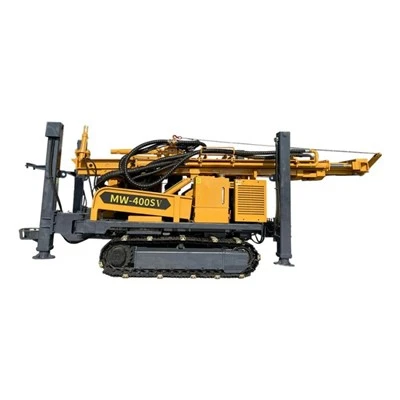
An air compressor is a device that compresses air and stores it in a gas tank for subsequent use of compressed air. It is widely used in industrial production, automobile maintenance, construction, medical equipment and other fields. The working principle of an air compressor is mainly based on the compression and expansion process of gas, and the air is compressed to a high-pressure state through mechanical energy. The following is a detailed introduction to the working principle of an air compressor and related content:
1. The basic working principle of an air compressor
The core function of an air compressor is to compress air in a free state into compressed air with a certain pressure and flow rate. Its working principle can be summarized as follows:
(I) Inhalation process
The air inlet of the air compressor is connected to the outside atmosphere through a pipeline. When the air compressor is started, the motor drives the rotor or piston of the compressor to move, generating negative pressure, so that the outside air is sucked into the cylinder or compression chamber of the compressor through the air inlet. At this time, the intake valve is opened and the exhaust valve is closed to ensure that the air can enter smoothly.
(II) Compression process
The air sucked into the cylinder or compression chamber is compressed under the action of the compressor. Different types of air compressors use different compression methods, but the basic principle is to increase the pressure of the gas by reducing its volume. For example, in a piston air compressor, the piston reciprocates in the cylinder to compress the air to a high pressure state; in a screw air compressor, two intermeshing screw rotors rotate to gradually compress the air in the screw groove.
(III) Exhaust process
When the air is compressed to the set pressure, the exhaust valve opens and the compressed air enters the air tank through the exhaust port. The function of the air tank is to store compressed air and balance the air pressure to ensure that the output compressed air pressure is stable. At this time, the intake valve is closed to prevent the compressed air from flowing back.
(IV) Cooling and filtration
During the compression process, the air temperature will increase significantly, so the compressed air needs to be cooled. Air compressors are usually equipped with cooling systems, such as air cooling or water cooling devices, to reduce the temperature of the compressed air. At the same time, in order to ensure the cleanliness of the compressed air, the air compressor is also equipped with air filters and oil filters to remove dust, impurities and oil in the air.
2. Main types and working principles of air compressors
(I) Piston air compressor
The piston air compressor is one of the most common types of air compressors. Its working principle is based on the reciprocating motion of the piston in the cylinder. When the piston moves downward, negative pressure is generated in the cylinder, and air is sucked into the cylinder through the intake valve; when the piston moves upward, the air in the cylinder is compressed, the pressure increases, the exhaust valve opens, and the compressed air is discharged and enters the air tank. The piston air compressor has a simple structure and low cost, but it is noisy during operation and requires regular maintenance.
(II) Screw air compressor
The working principle of the screw air compressor is based on the rotation of two intermeshing screw rotors. The air enters the groove of the screw rotor from the air inlet, and as the rotor rotates, the air is gradually compressed in the groove. Screw air compressors have the advantages of continuous air supply, stable pressure, low noise, and simple maintenance, and are widely used in industrial production. Its main disadvantage is that the price is relatively high and the air cleanliness requirements are high.
(III) Scroll air compressor
The working principle of the scroll air compressor is based on the rotation of the scroll disk. It consists of two intermeshing scroll disks, one fixed and the other rotating around the central axis. The air enters the groove of the scroll disk from the air inlet, and the air is gradually compressed as the scroll disk rotates. The scroll air compressor has the advantages of small size, light weight, low noise, and smooth operation. It is suitable for small equipment and places with high noise requirements.
(IV) Centrifugal air compressor
The working principle of the centrifugal air compressor is based on the centrifugal force generated by the high-speed rotating impeller. After the air enters the impeller, it is accelerated and compressed under the action of centrifugal force, and then the pressure is further increased through the diffuser. The centrifugal air compressor has the advantages of large flow, stable pressure, and high efficiency, but its start-up and stop process is more complicated, and the intake quality requirements are higher. It is usually used in large-scale industrial production.
III. Cooling system of air compressor
During the operation of the air compressor, the temperature of the compressed air will increase significantly, so an effective cooling system is required to reduce the temperature and prevent the equipment from overheating. Common cooling methods include the following:
(I) Air-cooled cooling
The air-cooled cooling system uses a fan to blow air through the radiator to remove the heat in the compressed air. This cooling method has a simple structure and low cost, but the cooling effect is relatively limited. It is suitable for small air compressors or occasions with low ambient temperature.
(II) Water-cooled cooling
The water-cooled cooling system circulates cooling water in the radiator to remove the heat in the compressed air. Water-cooled cooling has a good cooling effect and can effectively reduce the temperature of compressed air, but it requires an additional cooling water system, which is more expensive and is suitable for large air compressors or occasions with high ambient temperature.
(III) Oil-cooled cooling
The oil-cooled cooling system circulates lubricating oil inside the compressor to remove heat and lubricate mechanical parts. This cooling method can not only effectively reduce the temperature, but also protect the equipment and extend its service life. Oil-cooled air compressors usually use air cooling or water cooling as auxiliary cooling methods to further improve the cooling effect.
IV. Lubrication system of air compressor
In order to ensure the normal operation of the air compressor, the lubrication system is essential. The main function of the lubrication system is to provide lubrication for the mechanical parts of the compressor, reduce friction and wear. Common lubrication methods are as follows:
(I) Splash lubrication
Splash lubrication is to form a lubricating film by splashing the lubricating oil in the oil pool onto the surface of the mechanical parts during the operation of the equipment. This lubrication method has a simple structure and low cost, but the lubrication effect is relatively unstable and is suitable for small air compressors.
(II) Pressure lubrication
Pressure lubrication is to transport the lubricating oil to various parts of the mechanical parts through the lubricating oil pump to form a stable lubricating film. This lubrication method has a good lubrication effect and can effectively protect the equipment, but it requires an additional lubricating oil pump and piping system, which is expensive and suitable for large air compressors.
(III) Oil mist lubrication
Oil mist lubrication is to provide lubrication for mechanical parts by atomizing the lubricating oil and spraying it into the compressor. This lubrication method has a good lubrication effect and can evenly cover the surface of the mechanical parts, but it requires an additional oil mist generator and control system, which is expensive and suitable for high-precision air compressors.
V. Maintenance and care of air compressors
In order to ensure the long-term stable operation of the air compressor, regular maintenance and care are essential. The following are some common maintenance and care measures:
(i) Regularly check and replace the air filter
The function of the air filter is to filter dust and impurities in the air entering the compressor to prevent them from entering the compressor. Regularly check the blockage of the air filter and replace it in time to maintain the air intake quality of the compressor and improve the compression efficiency.
(ii) Regularly check and replace the oil filter
The function of the oil filter is to filter impurities in the lubricating oil and maintain the cleanliness of the lubricating oil. Regularly check the blockage of the oil filter and replace it in time to prevent impurities from entering the mechanical parts and reduce wear.
(iii) Regularly check and replace the lubricating oil
The function of the lubricating oil is to lubricate the mechanical parts, reduce friction and reduce temperature. Regularly check the oil level and quality of the lubricating oil and replace it in time to ensure the normal operation of the lubrication system and extend the service life of the equipment.
(iv) Regularly check the cooling system
The function of the cooling system is to reduce the temperature of the compressed air and prevent the equipment from overheating. Regularly check the radiator, fan, cooling water and other components of the cooling system to ensure their normal operation, which can improve the cooling effect and prevent the equipment from overheating.
(V) Regular inspection of mechanical parts
Regular inspection of the mechanical parts of the air compressor, such as pistons, screws, bearings, etc., to check their wear and tear, and timely repair or replacement can ensure the normal operation of the equipment and prevent equipment damage due to mechanical failure.
VI. Application fields of air compressors
As an important power equipment, air compressors are widely used in many fields:
(I) Industrial production
In industrial production, air compressors are used to drive pneumatic tools, pneumatic control systems, spraying equipment, pneumatic conveying systems, etc. For example, in automobile manufacturing plants, air compressors provide power for body welding, painting and other processes; in electronics factories, air compressors are used for pneumatic control in the chip manufacturing process.
(II) Construction
In construction, air compressors are used to drive pneumatic picks, pneumatic drills, sandblasting equipment, etc. For example, in tunnel construction, air compressors provide power for pneumatic picks to crush rocks; in bridge construction, air compressors provide power for sandblasting equipment to clean the surface of steel.
(III) Medical equipment
In medical equipment, air compressors are used to drive ventilators, dental equipment, surgical instruments, etc. For example, in the intensive care unit of a hospital, air compressors provide a stable air source for ventilators to help patients breathe; in dental clinics, air compressors power dental drills for tooth repair and treatment.
(IV) Food processing
In food processing, air compressors are used to drive pneumatic packaging equipment, pneumatic conveying systems, etc. For example, in beverage factories, air compressors power the filling and capping equipment of beverage bottles; in food processing plants, air compressors power the pneumatic conveying system of food to ensure the cleanliness and safety of food.
(V) Auto repair
In auto repair, air compressors are used to drive pneumatic wrenches, pneumatic spray guns, pneumatic jacks, etc. For example, in auto repair shops, air compressors power pneumatic wrenches for quick disassembly and installation of auto parts; and power pneumatic spray guns for auto painting.
VII. Summary
An air compressor is a device that compresses air into a high-pressure state through mechanical energy. It is widely used in many fields such as industrial production, construction, medical equipment, food processing and automobile maintenance. Its working principle mainly includes processes such as suction, compression, exhaust, cooling and filtration. According to different compression methods, air compressors are divided into piston, screw, vortex and centrifugal types, each with its own characteristics and application scenarios. In order to ensure the long-term stable operation of the air compressor, regular maintenance and maintenance are essential. By understanding the working principle and maintenance points of the air compressor, you can better select and use the air compressor and improve production efficiency and equipment life.