What is the vibration frequency of a drilling rod during operation?
As a drilling rod supplier, I've been frequently asked about the vibration frequency of drilling rods during operation. Understanding this aspect is crucial for both the efficiency of drilling operations and the longevity of the equipment. In this blog, I'll delve into the concept of the vibration frequency of drilling rods, its influencing factors, and its significance in the drilling process.
Understanding Vibration Frequency in Drilling Rods
Vibration frequency refers to the number of oscillations or vibrations a drilling rod makes per unit of time, usually measured in hertz (Hz). During drilling, the rod is subjected to various forces that cause it to vibrate. These vibrations can be classified into different types, such as axial vibrations (along the length of the rod), lateral vibrations (perpendicular to the rod's axis), and torsional vibrations (twisting around the rod's axis).
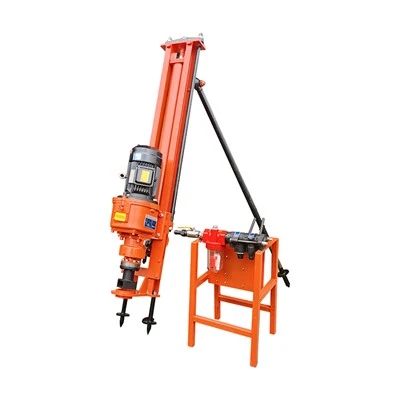
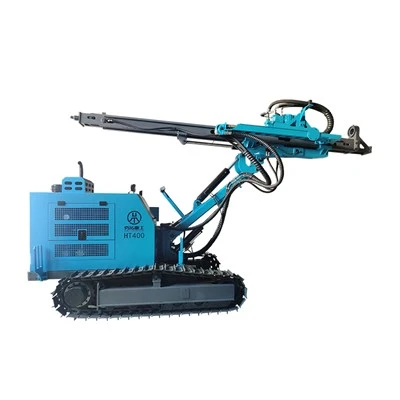
The vibration frequency of a drilling rod is not a fixed value; it varies depending on several factors. One of the primary factors is the type of drilling equipment being used. Different drilling machines have different operating mechanisms, which can generate vibrations at different frequencies. For example, a top - hammer drill, known for its high - impact drilling action, may induce vibrations at a relatively high frequency compared to a rotary drill. You can learn more about Top Hammer Drill Rods on our website.
The geological conditions also play a significant role in determining the vibration frequency. When drilling through hard rocks, the rod encounters greater resistance, which can lead to higher - frequency vibrations. In contrast, drilling through softer materials may result in lower - frequency vibrations. Additionally, the presence of fractures or inhomogeneities in the rock can cause irregular vibrations, which may affect the overall performance of the drilling process.
Influencing Factors on Vibration Frequency
- Drilling Parameters
- Rotational Speed: The rotational speed of the drilling rod is a major factor affecting its vibration frequency. As the rotational speed increases, the centrifugal forces acting on the rod also increase, which can lead to higher - frequency vibrations. For instance, if a drilling rod is rotating at a very high speed, the lateral vibrations may become more pronounced, potentially causing instability in the drilling process.
- Feed Rate: The feed rate, which is the rate at which the drill bit is advanced into the rock, also impacts the vibration frequency. A high feed rate can cause the drill bit to encounter more resistance, leading to increased vibrations. On the other hand, a very low feed rate may result in inefficient drilling and can also cause vibrations due to the inconsistent force application on the rod.
- Rod Design and Material
- Length and Diameter: The length and diameter of the drilling rod affect its natural frequency. Longer rods generally have lower natural frequencies, which means they are more prone to vibrations at lower frequencies. In contrast, shorter and thicker rods have higher natural frequencies and can withstand higher - frequency vibrations better. For example, Extension Rods are often used to increase the drilling depth. However, their length can sometimes lead to more complex vibration patterns.
- Material Properties: The material of the drilling rod, such as its elasticity and density, also influences its vibration characteristics. A rod made of a more elastic material can absorb and dissipate vibrations better than a less elastic one. Additionally, the density of the material affects the mass of the rod, which in turn affects the inertia and the response to the applied forces.
Significance of Vibration Frequency in Drilling
- Drilling Efficiency
- The vibration frequency can have a direct impact on the drilling efficiency. Optimal vibration frequencies can help the drill bit break the rock more effectively. For example, when the vibration frequency of the rod matches the natural frequency of the rock, a phenomenon called resonance occurs. Resonance can significantly increase the energy transfer from the drill bit to the rock, leading to faster and more efficient drilling.
- However, if the vibration frequency is too high or too low, it can cause problems. High - frequency vibrations may lead to excessive wear and tear on the drill bit and the rod, reducing their lifespan. Low - frequency vibrations may not provide enough energy to break the rock efficiently, resulting in slow drilling progress.
- Equipment Durability
- Excessive vibrations can cause fatigue failure in the drilling rod. The continuous stress cycles due to vibrations can lead to the formation and propagation of cracks in the rod material. This can eventually result in the rod breaking during operation, which not only disrupts the drilling process but also poses safety risks. By understanding and controlling the vibration frequency, we can extend the lifespan of the drilling rods and other associated equipment.
- Drilling Accuracy
- Vibration can also affect the accuracy of the drilling process. Uncontrolled vibrations can cause the drill bit to deviate from the intended drilling path, leading to inaccurate boreholes. This is particularly important in applications such as geotechnical drilling, where precise borehole placement is crucial. Geotechnical Drill Rods are designed to minimize vibrations and ensure accurate drilling.
Measuring and Controlling Vibration Frequency
To measure the vibration frequency of a drilling rod, specialized sensors can be used. These sensors can be attached to the rod or the drilling equipment to monitor the vibrations in real - time. The data collected from these sensors can then be analyzed to determine the vibration frequency and its characteristics.
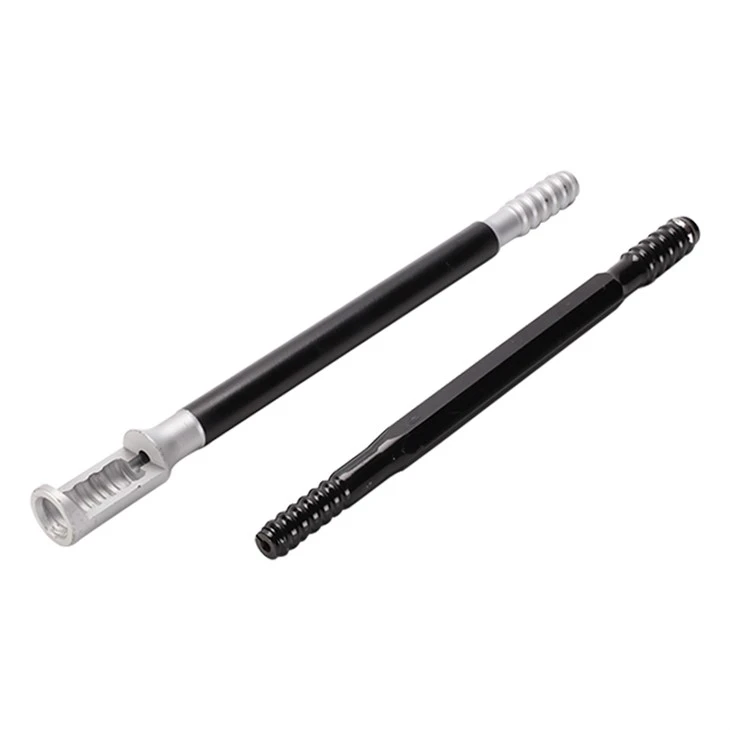

Controlling the vibration frequency involves adjusting the drilling parameters and using appropriate rod designs. For example, adjusting the rotational speed and feed rate can help optimize the vibration frequency. Additionally, using rods with appropriate lengths and materials can also reduce the likelihood of excessive vibrations.
Conclusion
In conclusion, the vibration frequency of a drilling rod during operation is a complex phenomenon that is influenced by various factors such as the type of drilling equipment, geological conditions, drilling parameters, and rod design. Understanding and controlling the vibration frequency is essential for improving drilling efficiency, ensuring equipment durability, and achieving accurate drilling results.
As a drilling rod supplier, we are committed to providing high - quality drilling rods that are designed to minimize vibrations and perform optimally under different operating conditions. If you are in the market for drilling rods or have any questions about the vibration frequency and its impact on your drilling operations, we encourage you to contact us for a detailed discussion and to explore our range of products. We look forward to working with you to meet your drilling needs.
References
- Smith, J. (2018). Drilling Technology Handbook. Elsevier.
- Johnson, R. (2020). Geotechnical Drilling: Principles and Practices. Wiley.
- Brown, A. (2019). Vibration Analysis in Engineering Applications. Springer.