In the realm of construction, mining, and various rock - related operations, dust generation is an inevitable and concerning issue. Mini rock drilling machines have emerged as a popular choice for many small - scale to medium - scale projects. As a supplier of mini rock drilling machines, I am often asked about the dust - suppression effect of these compact yet powerful tools. In this blog, I will delve into the details of how mini rock drilling machines perform in terms of dust suppression.
Understanding the Dust Problem in Rock Drilling
Rock drilling, whether it's for creating holes in concrete for building foundations, mining for precious minerals, or quarrying for construction materials, generates a significant amount of dust. This dust is not only a nuisance but also poses serious health risks to workers. Inhalation of dust particles, especially those containing silica, can lead to severe respiratory diseases such as silicosis, lung cancer, and chronic obstructive pulmonary disease (COPD). Moreover, excessive dust can also affect the visibility on the work site, increasing the risk of accidents.
How Mini Rock Drilling Machines Generate Dust
Mini rock drilling machines work by applying high - speed rotation and impact forces to break through the rock. During this process, the rock is pulverized into small particles, which are then ejected into the air as dust. The amount of dust generated depends on several factors, including the type of rock being drilled, the drilling speed, and the design of the drilling machine.
Harder rocks such as granite and basalt tend to generate more dust compared to softer rocks like limestone. Higher drilling speeds also result in more dust production as the rock is broken down more rapidly. Additionally, the design of the drilling machine can play a crucial role. Machines with inefficient dust - collection systems or those that do not seal the drilling area properly can allow a large amount of dust to escape into the environment.
Dust - Suppression Mechanisms in Mini Rock Drilling Machines
To address the dust problem, modern mini rock drilling machines are equipped with various dust - suppression mechanisms. These mechanisms can be broadly classified into two categories: wet dust suppression and dry dust suppression.

Wet Dust Suppression
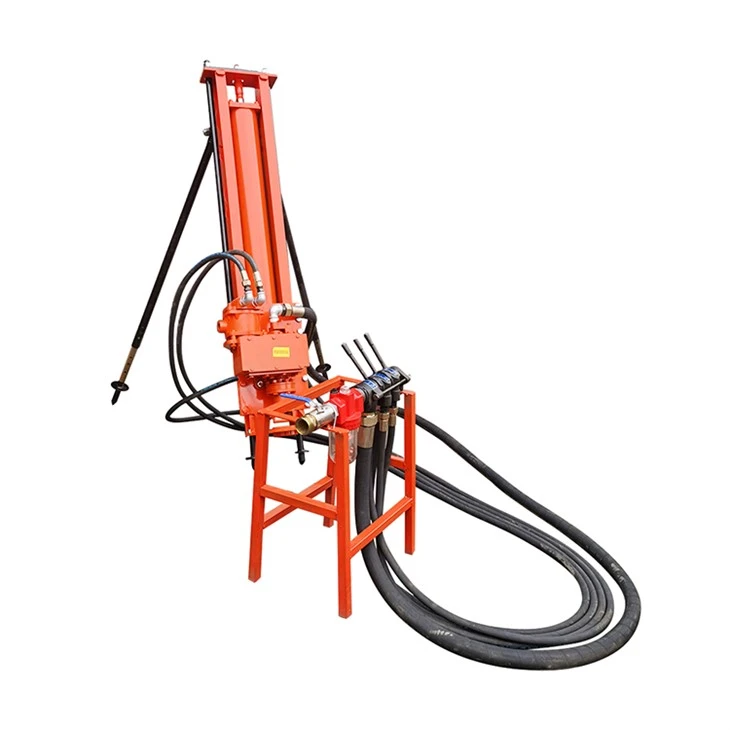
Wet dust suppression is one of the most common methods used in mini rock drilling machines. This method involves spraying water onto the drilling area during the drilling process. The water droplets bind with the dust particles, making them heavier and causing them to fall to the ground instead of being dispersed into the air.
There are different ways to implement wet dust suppression. Some mini rock drilling machines have built - in water tanks and pumps that deliver a continuous stream of water to the drill bit. Others can be connected to an external water source. The advantage of wet dust suppression is that it is relatively simple and cost - effective. However, it does have some limitations. In cold weather, the water can freeze, making the system inoperable. Also, in areas where water is scarce, this method may not be practical.
Dry Dust Suppression
Dry dust suppression systems are another option for mini rock drilling machines. These systems use filters or cyclones to capture the dust particles. In a filter - based system, the dust - laden air is drawn into the machine through a series of filters. The filters trap the dust particles, allowing clean air to be released back into the environment.
Cyclone - based systems work on the principle of centrifugal force. The dust - laden air is spun at high speed inside a cyclone chamber. The heavier dust particles are forced to the outer walls of the chamber and collected at the bottom, while the clean air exits from the top. Dry dust suppression systems are more suitable for areas where water is not available or where wet dust suppression is not practical. However, they are generally more expensive and require regular maintenance to ensure the filters or cyclones are working effectively.
The Dust - Suppression Effect of Our Mini Rock Drilling Machines
As a supplier of mini rock drilling machines, we take pride in the dust - suppression capabilities of our products. Our machines are designed with state - of - the - art dust - suppression technologies to minimize the amount of dust released into the environment.
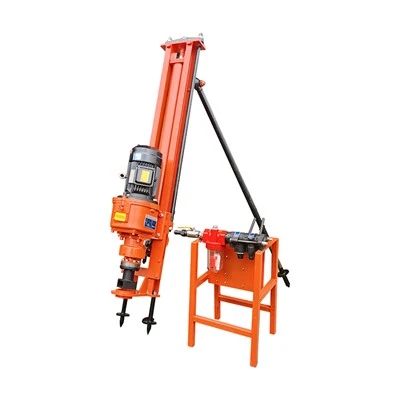
For our small down the hole drilling machines, we offer both wet and dry dust - suppression options. The wet dust - suppression system uses a high - pressure water pump to ensure a fine mist of water is evenly distributed around the drill bit. This effectively captures the dust particles at the source. Our dry dust - suppression system, on the other hand, features a high - efficiency filter that can capture up to 99% of the dust particles.
Our Hand Held Rock Drill is also equipped with advanced dust - suppression features. It has a sealed housing that prevents dust from escaping during the drilling process. In addition, a built - in dust - collection unit sucks in the dust and stores it in a removable container for easy disposal.
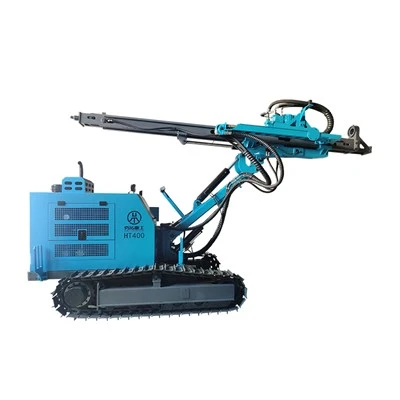
The Integrated Open - pit Down - the - hole Drill Rig in our product line is designed for large - scale open - pit mining operations. It has a comprehensive dust - suppression system that combines wet and dry methods. The wet system cools the drill bit and suppresses dust at the same time, while the dry system further filters the air to ensure a clean working environment.
Measuring the Dust - Suppression Effect
To accurately measure the dust - suppression effect of our mini rock drilling machines, we conduct rigorous testing in our laboratory and on real - world work sites. We use specialized equipment such as dust monitors to measure the concentration of dust particles in the air before, during, and after the drilling process.
The results of our tests show that our machines can significantly reduce the dust concentration in the air compared to traditional drilling methods. In some cases, the dust concentration can be reduced by up to 90%. This not only improves the health and safety of the workers but also reduces the environmental impact of the drilling operations.
Benefits of Good Dust Suppression in Mini Rock Drilling Machines
The benefits of effective dust suppression in mini rock drilling machines are numerous. Firstly, it protects the health of the workers. By reducing the inhalation of dust particles, the risk of respiratory diseases is greatly minimized. This leads to a healthier and more productive workforce.
Secondly, good dust suppression improves the working environment. With less dust in the air, visibility on the work site is enhanced, reducing the risk of accidents. It also reduces the amount of dust that settles on equipment and machinery, which can extend their lifespan and reduce maintenance costs.
Finally, from an environmental perspective, effective dust suppression helps to reduce air pollution. This is especially important in areas where strict environmental regulations are in place. By using our mini rock drilling machines with high - performance dust - suppression systems, companies can ensure compliance with these regulations and contribute to a cleaner environment.
Conclusion
In conclusion, the dust - suppression effect of mini rock drilling machines is a crucial aspect that cannot be overlooked. As a supplier, we understand the importance of providing machines that not only perform well in terms of drilling but also minimize the dust generated during the process. Our mini rock drilling machines are equipped with advanced dust - suppression technologies that offer effective solutions for different types of drilling operations.
If you are in the market for a mini rock drilling machine and are concerned about dust suppression, we invite you to contact us for more information. Our team of experts is ready to assist you in choosing the right machine for your specific needs. We can also provide detailed product specifications and performance data to help you make an informed decision. Let's work together to create a safer, healthier, and more environmentally friendly work environment.
References
- "Occupational Exposure to Respirable Crystalline Silica" by the World Health Organization.
- "Dust Control in Construction and Mining" by the National Institute for Occupational Safety and Health (NIOSH).
- "Principles of Rock Drilling" by various authors in the field of mining engineering.