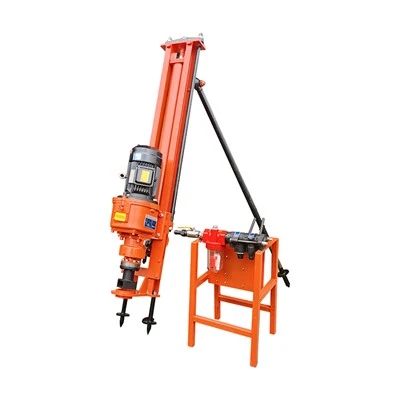
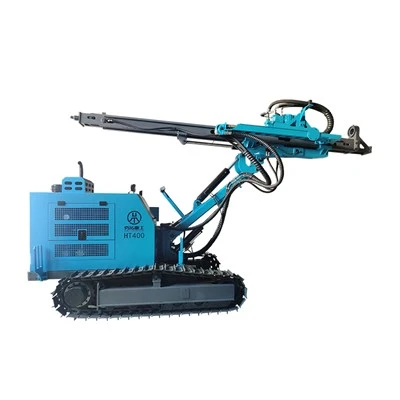
Are there any environmental impacts of well drilling water trucks?
As a well - known supplier of well drilling water trucks, I've been deeply involved in the industry for years. In this blog, I'll delve into the environmental impacts associated with well drilling water trucks, exploring both the negative and positive aspects.
Negative Environmental Impacts
1. Noise Pollution
Well drilling water trucks are equipped with powerful engines and various mechanical components that generate a significant amount of noise during operation. The constant rumbling and high - pitched sounds can disrupt the natural acoustic environment. For example, in rural areas where well drilling is common, the noise can disturb local wildlife. Birds may be startled, which can disrupt their nesting and foraging patterns. Small mammals might also be affected, altering their normal behavior and potentially leading to a decline in their populations in the immediate area of the drilling site.
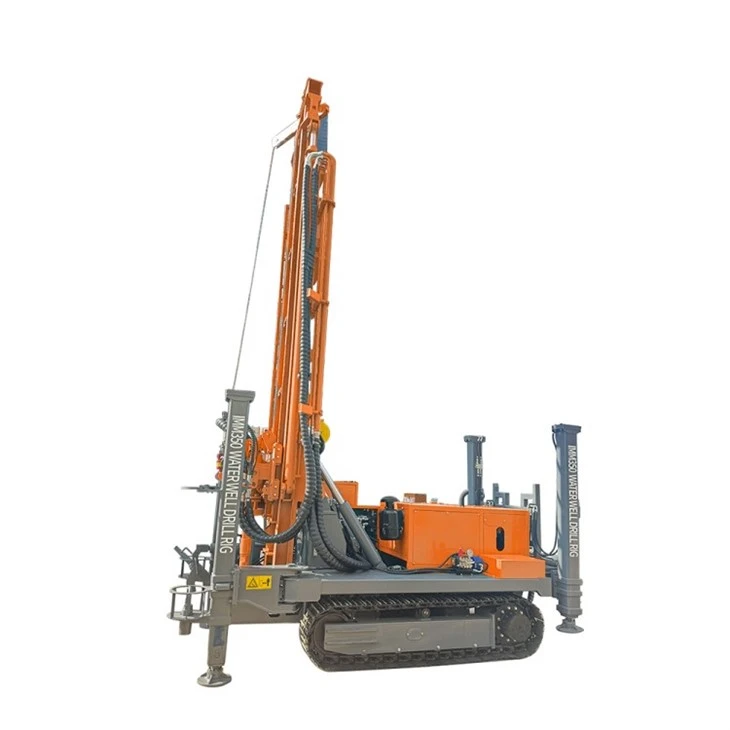
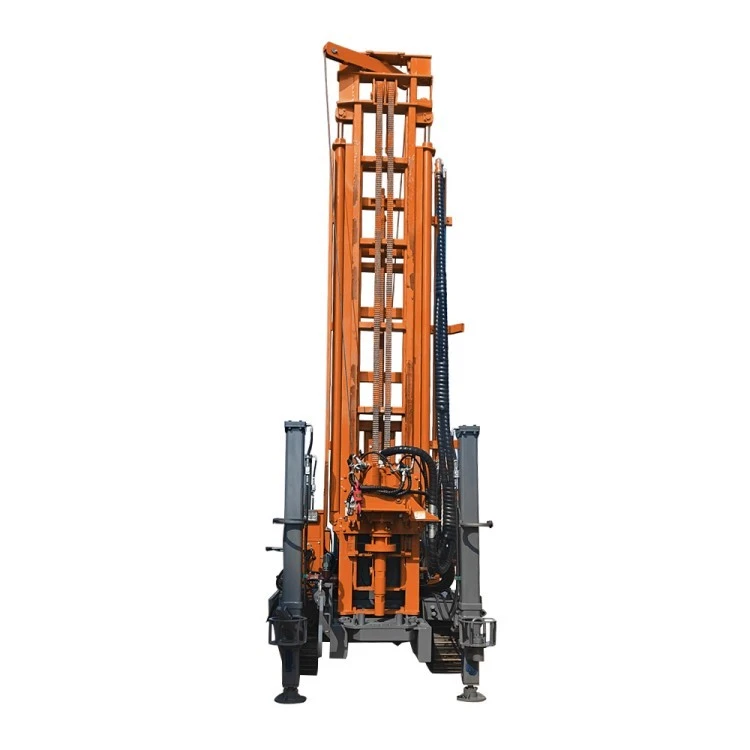
2. Air Pollution
The engines of well drilling water trucks burn fossil fuels, primarily diesel. This combustion process releases a range of pollutants into the air, including particulate matter (PM), nitrogen oxides (NOx), and sulfur dioxide (SO2). PM can cause respiratory problems in humans and animals, and it can also reduce visibility in the surrounding area. NOx and SO2 are key contributors to the formation of acid rain, which can damage forests, lakes, and soil quality. Additionally, the release of greenhouse gases such as carbon dioxide (CO2) from the trucks' engines contributes to global warming and climate change.
3. Water Contamination
During the well - drilling process, well drilling water trucks are used to transport and circulate water. There is a risk of water contamination if proper safety measures are not in place. For instance, if the trucks' storage tanks are not properly cleaned, chemicals or residues from previous loads can be introduced into the water supply. Moreover, the drilling fluid used in the well - drilling process, which may contain various additives, can potentially leak into the groundwater. This can contaminate the aquifer, making the water unfit for human consumption, agricultural use, and harming aquatic ecosystems.
4. Soil Disturbance
Well drilling water trucks often need to access drilling sites, which may require driving on unpaved or sensitive land areas. The heavy weight of the trucks can cause soil compaction. Compacted soil has reduced porosity, which restricts water infiltration and root growth. This can lead to soil erosion as water is more likely to run off the surface rather than being absorbed. In addition, the disturbance of the soil can expose it to wind and water erosion, further degrading the soil quality in the area.
Positive Environmental Impacts
1. Water Resource Management
Well drilling water trucks play a crucial role in accessing and managing water resources, especially in areas where surface water is scarce or unreliable. By drilling wells, we can tap into groundwater sources, which can be a sustainable source of water for various purposes. For example, in arid regions, well - drilled water can be used for agricultural irrigation, which helps to improve crop yields and support food security. In some cases, the use of well - drilled water can also reduce the pressure on surface water bodies, allowing them to recover and maintain their ecological functions.
2. Alternative to Long - Distance Water Transport
In some rural or remote areas, the use of well drilling water trucks can be a more environmentally friendly alternative to long - distance water transport via pipelines or large tanker trucks. Transporting water over long distances requires a significant amount of energy and resources, including fuel for transport vehicles and the infrastructure for pipelines. Drilling local wells and using well drilling water trucks to supply water can significantly reduce these energy consumption and associated environmental impacts.
3. Support for Environmental Restoration Projects
Well drilling water trucks can be used in environmental restoration projects. For example, in wetland restoration projects, water from well - drilled sources can be used to refill and maintain the water levels in wetlands. This helps to support the growth of wetland plants and provides a habitat for various wildlife species. In forest rehabilitation projects, well - drilled water can be used for tree watering, which is crucial for the survival and growth of newly planted trees.
Mitigating the Negative Environmental Impacts
To minimize the negative environmental impacts of well drilling water trucks, several measures can be taken.
First, in terms of noise pollution, the trucks can be equipped with noise - reducing technologies such as mufflers and sound - insulating materials. Additionally, drilling operations can be scheduled during times when the noise is less likely to cause significant disturbance, such as avoiding early morning or late - night drilling in residential areas.
For air pollution, the trucks can be fitted with advanced emission control systems, such as diesel particulate filters and selective catalytic reduction (SCR) systems. These technologies can significantly reduce the emissions of pollutants from the engines. Moreover, the use of cleaner fuels, such as biodiesel, can also help to reduce the environmental impact of the trucks.
To prevent water contamination, strict quality control measures should be implemented for the storage and transportation of water. Regular cleaning of the trucks' storage tanks and proper handling of drilling fluids are essential. In addition, continuous monitoring of the water quality at the drilling site and in the surrounding area can help to detect and address any potential contamination issues promptly.
Regarding soil disturbance, access roads to the drilling sites can be planned carefully to minimize the impact on sensitive land areas. The use of temporary pads or mats can also help to distribute the weight of the trucks more evenly and reduce soil compaction. After the drilling operation is completed, re - vegetation efforts can be carried out to restore the soil quality and prevent erosion.
Technological Advancements in Well Drilling Water Trucks
The well - drilling industry is constantly evolving, and there have been several technological advancements in well - drilling water trucks. For example, modern well - drilling water trucks are equipped with more efficient engines that have higher fuel efficiency and lower emissions. This not only reduces the environmental impact but also lowers the operating costs for the users.
There are also improvements in the design of the water storage and transportation systems. For instance, some trucks now use advanced sealing technologies to prevent water leakage during transportation. Additionally, the development of water well drilling machine and groundwater drilling rig has made the well - drilling process more precise and less invasive, which can further reduce the environmental impact.
Conclusion
In conclusion, well drilling water trucks have both negative and positive environmental impacts. While they can cause noise pollution, air pollution, water contamination, and soil disturbance, they also play an important role in water resource management, alternative water supply, and environmental restoration. As a supplier of well drilling water trucks, we are committed to promoting the use of environmentally friendly technologies and practices.
If you are interested in our Well Drilling Machines and well drilling water trucks, we welcome you to contact us for further discussions and potential procurement opportunities. We can provide you with detailed information about our products' environmental performance and how they can meet your specific needs while minimizing the environmental impact.
References
- American Petroleum Institute. (Year). Environmental Guidelines for Well Drilling Operations.
- United Nations Environment Programme. (Year). Sustainable Water Resource Management in the Context of Well Drilling.
- World Health Organization. (Year). Guidelines for Water Quality and Well Drilling Practices.