What is the Temperature Rise of a Hand Held Rock Drill During Operation?
As a supplier of hand held rock drills, I've received numerous inquiries about the temperature rise of these tools during operation. Understanding this phenomenon is crucial for both the performance and longevity of the equipment, as well as the safety of the operators. In this blog post, I'll delve into the factors contributing to temperature rise, its implications, and how to manage it effectively.
Factors Contributing to Temperature Rise
Several factors come into play when it comes to the temperature increase of a hand held rock drill during operation. The most significant factor is the mechanical friction generated within the drill's components. As the drill bit rotates and penetrates the rock, it encounters resistance, which causes friction between the bit and the rock surface, as well as between the moving parts inside the drill. This friction converts mechanical energy into heat, leading to a rise in temperature.
Another contributing factor is the compression of air. Many hand held rock drills are pneumatic, meaning they are powered by compressed air. When air is compressed, its temperature increases according to the laws of thermodynamics. As the compressed air flows through the drill's air passages and drives the internal mechanisms, it transfers some of its heat to the drill body, further contributing to the temperature rise.
The rate of work also affects the temperature increase. If the drill is used continuously at a high rate of penetration, more energy is being consumed, and more heat is being generated. This can cause the temperature to rise more rapidly compared to intermittent or low - intensity use.
Implications of Temperature Rise
Excessive temperature rise in a hand held rock drill can have several negative implications. Firstly, it can lead to premature wear and tear of the drill's components. High temperatures can cause the lubricants inside the drill to break down, reducing their effectiveness in reducing friction and protecting the moving parts. This can result in increased wear on bearings, pistons, and other critical components, leading to a shorter lifespan of the drill.
Secondly, overheating can affect the performance of the drill. As the temperature rises, the material properties of the drill bit and other components may change. For example, the hardness of the drill bit may decrease, reducing its ability to cut through rock efficiently. This can lead to a decrease in drilling speed and an increase in the amount of energy required to achieve the same level of performance.
From a safety perspective, a hot drill can pose a burn hazard to the operator. If the surface temperature of the drill exceeds a safe level, it can cause burns if the operator accidentally touches it. Additionally, in some cases, overheating can lead to the release of hot air or debris, which can also be dangerous.
Measuring Temperature Rise
To understand the temperature rise of a hand held rock drill during operation, it's important to measure it accurately. There are several methods available for measuring temperature. Infrared thermometers are a popular choice as they allow for non - contact temperature measurement. An operator can simply point the infrared thermometer at the drill body at different points during operation to get an instant reading of the surface temperature.
Thermocouples can also be used for more precise temperature measurement. A thermocouple can be attached to the drill at specific locations, such as near the drill bit or inside the air passages, to monitor the temperature continuously. The data collected from the thermocouples can be used to analyze the temperature profile of the drill during operation and identify any potential hot spots.
Managing Temperature Rise
There are several strategies that can be employed to manage the temperature rise of a hand held rock drill. One of the most effective ways is to ensure proper lubrication. Using high - quality lubricants that are designed to withstand high temperatures can help reduce friction and dissipate heat. Regularly checking and replenishing the lubricant levels is essential to maintain the drill's performance and prevent overheating.
Proper ventilation is also crucial. Ensuring that the drill has adequate air flow around it can help dissipate heat. This can be achieved by using drills with well - designed air passages and by avoiding operating the drill in enclosed or poorly ventilated spaces.
Another strategy is to control the rate of work. Operators should be trained to use the drill at an appropriate rate of penetration. Intermittent use, with short breaks in between, can allow the drill to cool down and prevent excessive temperature build - up.
In addition, using drills with heat - dissipating features can be beneficial. Some hand held rock drills are designed with fins or other heat - sink structures on their bodies to increase the surface area for heat transfer. This allows the drill to radiate heat more effectively into the surrounding environment.
Our Hand Held Rock Drills
At our company, we understand the importance of managing temperature rise in hand held rock drills. Our hand held rock drilling equipment is designed with advanced features to minimize temperature increase during operation. We use high - quality materials and precision engineering to reduce friction and improve heat dissipation.
Our drills are also equipped with efficient lubrication systems that are designed to maintain their performance even under high - temperature conditions. We offer a range of models suitable for different applications, from light - duty to heavy - duty rock drilling. Whether you need a drill for small - scale construction projects or large - scale mining operations, we have the right solution for you.
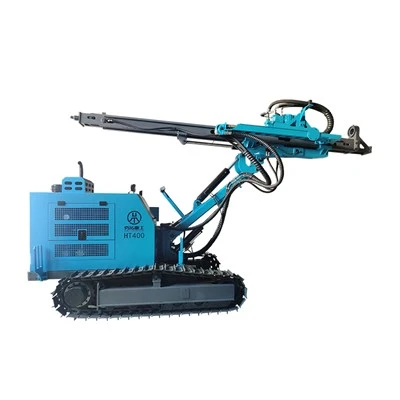
In addition to our hand held rock drills, we also offer other types of rock drilling equipment, such as Integrated Open - pit Down - the - hole Drill Rig and pneumatic air leg rock drill. Our comprehensive product range ensures that we can meet the diverse needs of our customers in the rock drilling industry.


Contact Us for Procurement
If you're in the market for high - quality hand held rock drills or other rock drilling equipment, we invite you to contact us for procurement. Our team of experts is ready to assist you in selecting the right equipment for your specific requirements. We can provide detailed product information, technical support, and competitive pricing. Don't hesitate to reach out to us to start a productive discussion about your rock drilling needs.
References
- Thermodynamics textbooks, which explain the principles of heat transfer and temperature changes during air compression.
- Engineering handbooks on mechanical design, which cover the effects of temperature on material properties and component performance.
- Manufacturer's technical manuals for hand held rock drills, which often contain information on temperature management and operating guidelines.