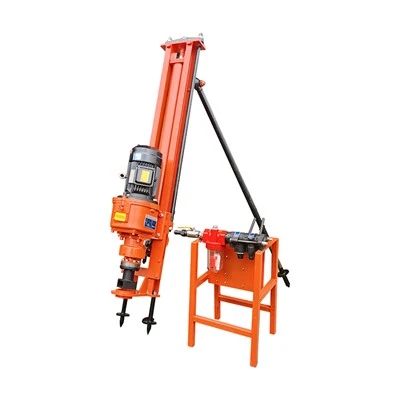
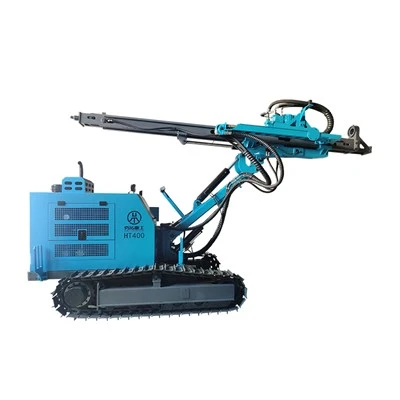
Operating a pneumatic rock drilling rig demands a comprehensive set of skills and knowledge due to the complexity and potential hazards associated with the equipment. As a reputable pneumatic rock drilling rig supplier, I understand the critical importance of operators being well - versed in various aspects to ensure efficient, safe, and productive drilling operations.
Technical Knowledge of the Rig
First and foremost, an operator must have a solid understanding of the pneumatic rock drilling rig's technical specifications. This includes knowledge of the rig's power source, which is typically compressed air. The operator should know how to regulate the air pressure according to the type of rock being drilled and the requirements of the drilling task. For instance, harder rocks may require higher air pressure to achieve effective penetration.
The operator also needs to be familiar with the different components of the rig. This involves knowing the functions of the drill bit, the feed mechanism, and the rotation system. The drill bit is the cutting tool that directly interacts with the rock. Different types of drill bits are designed for different rock formations, such as soft, medium, or hard rocks. An operator should be able to select the appropriate drill bit for the job. The feed mechanism is responsible for advancing the drill bit into the rock at a controlled rate. Understanding how to adjust the feed rate is crucial for maintaining the integrity of the drill bit and ensuring efficient drilling. The rotation system provides the torque necessary for the drill bit to cut through the rock. The operator must know how to control the rotational speed to prevent over - or under - rotation, which can lead to poor drilling performance or damage to the equipment.
Safety Skills
Safety is of utmost importance when operating a pneumatic rock drilling rig. Operators need to be trained in safety procedures and regulations. They should always wear appropriate personal protective equipment (PPE), including hard hats, safety glasses, ear protection, and steel - toed boots. PPE helps protect the operator from flying rock fragments, dust, and noise generated during the drilling process.
Before starting the rig, the operator should conduct a thorough pre - operation inspection. This includes checking the air hoses for any signs of damage or leaks, ensuring that all safety guards are in place, and verifying the proper functioning of the control systems. Any issues identified during the inspection should be addressed immediately to prevent accidents.
During operation, the operator must be aware of their surroundings. They should ensure that there are no bystanders in the drilling area and that the rig is set up on a stable and level surface. In case of any emergency, the operator should know how to quickly shut down the rig and activate the emergency stop button.
Drilling Techniques
Effective drilling techniques are essential for achieving optimal results. Operators need to understand how to start the drilling process correctly. This involves positioning the drill bit accurately on the target area and gradually increasing the air pressure and rotational speed. Starting the drill too aggressively can cause the drill bit to break or damage the rock surface unevenly.
When drilling, the operator should maintain a consistent feed rate and rotational speed. This helps to create a smooth and straight borehole. If the feed rate is too fast, the drill bit may overheat or become stuck in the rock. On the other hand, if the feed rate is too slow, the drilling process will be inefficient.
In addition, operators should be able to adapt their drilling techniques to different rock formations. For example, when drilling through soft rocks, a faster feed rate and lower air pressure may be sufficient. However, when dealing with hard rocks, a slower feed rate and higher air pressure are usually required.

Maintenance Skills
Regular maintenance of the pneumatic rock drilling rig is crucial for its longevity and reliable performance. Operators should be trained in basic maintenance tasks, such as cleaning the rig after each use, lubricating moving parts, and checking the condition of the drill bit.
Cleaning the rig helps to remove dirt, dust, and rock debris that can accumulate during drilling. This prevents the build - up of contaminants that can damage the internal components of the rig. Lubrication is necessary to reduce friction between moving parts and prevent premature wear. The operator should know which lubricants to use and how often to apply them.
Checking the drill bit for wear and damage is also an important maintenance task. A worn - out drill bit will not perform effectively and may cause problems during drilling. If the drill bit is damaged, it should be replaced immediately to avoid further issues.
Troubleshooting Skills
Even with proper maintenance, problems can still occur during the operation of a pneumatic rock drilling rig. Operators need to have troubleshooting skills to identify and resolve common issues. For example, if the drill bit is not cutting effectively, the operator should check the air pressure, the rotational speed, and the condition of the drill bit. If there is a loss of air pressure, the operator should inspect the air hoses for leaks or blockages.
In some cases, more complex problems may require the assistance of a professional technician. However, an operator with good troubleshooting skills can often diagnose the problem and take appropriate temporary measures to prevent further damage to the rig.
Training and Certification
To ensure that operators have the necessary skills, it is recommended that they undergo formal training. Many training programs are available that cover all aspects of operating a pneumatic rock drilling rig, including technical knowledge, safety procedures, drilling techniques, maintenance, and troubleshooting.
After completing the training, operators should obtain the relevant certification. Certification serves as proof that the operator has the required skills and knowledge to operate the rig safely and efficiently. It also gives employers and clients confidence in the operator's abilities.
Our Product Offerings
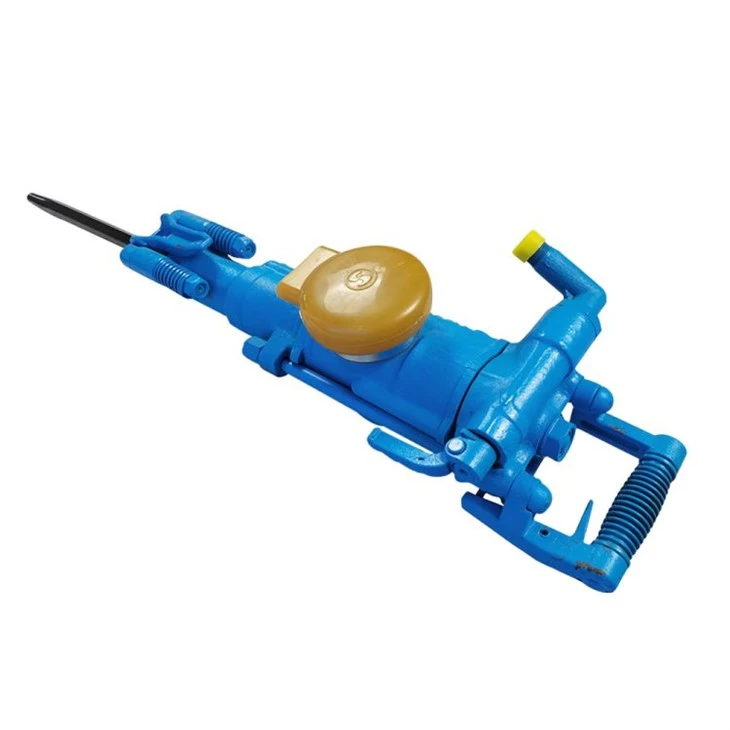
As a pneumatic rock drilling rig supplier, we offer a wide range of products to meet different customer needs. Our mini pneumatic drill is ideal for small - scale drilling projects. It is compact, lightweight, and easy to operate, making it suitable for use in confined spaces. Our small down the hole drilling equipment is designed for more demanding applications. It provides high - performance drilling with greater depth capabilities. And our hand held rock drilling equipment offers flexibility and portability, allowing operators to perform drilling tasks in various locations.
If you are interested in our pneumatic rock drilling rigs or have any questions about operating them, we encourage you to contact us for a detailed discussion. Our team of experts is ready to assist you in selecting the right equipment for your project and providing you with the necessary training and support.
References
- Rock Drilling Handbook, Atlas Copco
- Safety Guidelines for Pneumatic Equipment Operation, Occupational Safety and Health Administration (OSHA)
- Drilling Techniques for Different Rock Formations, International Journal of Rock Mechanics and Mining Sciences