Hey there! As a supplier of air rock drills, I've been getting a lot of questions lately about how to measure the performance of these bad boys. So, I thought I'd put together this blog post to share some insights on this topic.
First off, let's talk about why measuring the performance of an air rock drill is important. Well, for starters, it helps you figure out if the drill is working as it should. If you're using the drill for a big project, you want to make sure it's efficient and getting the job done right. Plus, by measuring its performance, you can spot any potential issues early on and take steps to fix them before they turn into major problems.
1. Drilling Speed
One of the most obvious ways to measure the performance of an air rock drill is by looking at its drilling speed. This is basically how fast the drill can create a hole in the rock. To measure this, you'll need to time how long it takes to drill a hole of a specific depth and diameter.
You can do this by marking a starting point on the rock and then starting the drill. Use a stopwatch to time how long it takes to reach the desired depth. Make sure to keep the drill pressure and other conditions as consistent as possible for accurate results.
A faster drilling speed generally means a more powerful and efficient drill. However, it's important to note that the type of rock you're drilling into can have a big impact on the speed. For example, drilling through soft limestone will be much quicker than drilling through hard granite.
2. Penetration Rate
The penetration rate is related to the drilling speed but is a bit more specific. It measures how much the drill advances into the rock per unit of time. You can calculate the penetration rate by dividing the depth of the hole by the time it took to drill it.
For instance, if you drilled a 10 - inch hole in 2 minutes, the penetration rate would be 5 inches per minute. A high penetration rate indicates that the drill is effectively breaking through the rock and making good progress.
When comparing different air rock drills, the one with a higher penetration rate is usually the better performer. But again, factors like the drill bit condition, air pressure, and rock hardness can all affect the penetration rate.
3. Air Consumption
Air consumption is another crucial factor in measuring the performance of an air rock drill. Since these drills are powered by compressed air, how much air they use can tell you a lot about their efficiency.
You can measure air consumption using an air flow meter. This device will tell you how many cubic feet of air the drill uses per minute (CFM). A drill that uses less air while still maintaining good drilling performance is more efficient.
Lower air consumption means lower operating costs in the long run, as you'll need less compressed air to power the drill. It also indicates that the drill is designed well and is using the air effectively to generate the necessary power.
4. Impact Energy
The impact energy of an air rock drill is the force with which the drill bit strikes the rock. This energy is what breaks the rock apart. Measuring impact energy can be a bit more technical, but there are tools available to do it.
One common way is to use an impact energy tester. This device measures the energy transferred from the drill to the rock during each impact. Higher impact energy generally means the drill can break through tougher rocks more easily.
However, it's not just about having high impact energy. The drill also needs to transfer this energy efficiently to the rock. A drill with high impact energy but poor energy transfer will not perform as well as one that can effectively use that energy to drill.
5. Vibration Level
Vibration is an important aspect of an air rock drill's performance. Excessive vibration can not only make the drill difficult to handle but also cause premature wear and tear on the drill components.
You can measure the vibration level using a vibration meter. This device will give you a reading of the vibration intensity in different directions. A drill with lower vibration levels is generally more comfortable to use and will last longer.
High - vibration drills can also be a safety hazard, as they can cause fatigue and potential injuries to the operator. So, when evaluating an air rock drill, pay close attention to the vibration level.
6. Drill Bit Wear
The condition of the drill bit has a direct impact on the performance of the air rock drill. A worn - out drill bit will have a slower drilling speed, lower penetration rate, and may not be able to break through the rock as effectively.
To measure drill bit wear, you can visually inspect the bit regularly. Look for signs of dulling, chipping, or excessive wear on the cutting edges. You can also measure the diameter of the bit over time. As the bit wears, its diameter will decrease.
A drill that can keep the drill bit in good condition for a longer period is more efficient. Some drills are designed with features that help reduce bit wear, such as better cooling systems or more precise bit guidance.
7. Noise Level
Noise is often an overlooked factor when it comes to measuring the performance of an air rock drill. However, a noisy drill can be a nuisance and may even violate noise regulations in some workplaces.
You can use a sound level meter to measure the noise level produced by the drill. The noise is usually measured in decibels (dB). A drill with a lower noise level is more user - friendly and may be more suitable for indoor or noise - sensitive areas.
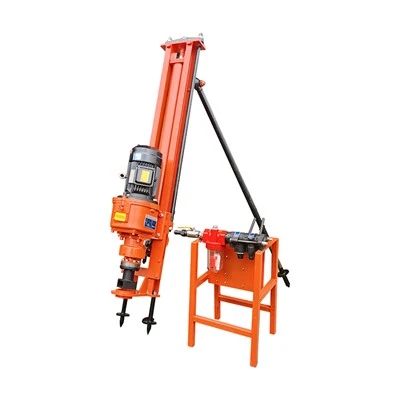
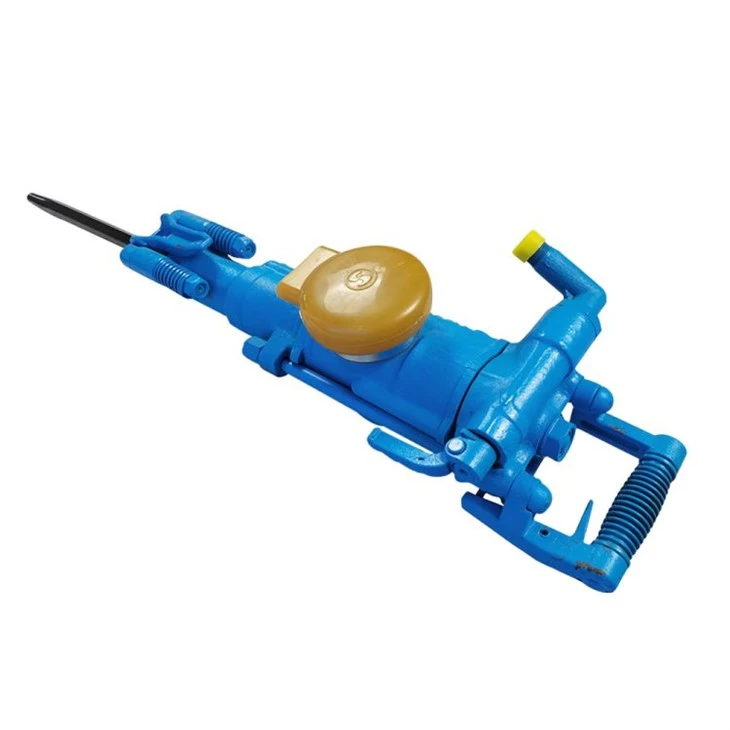
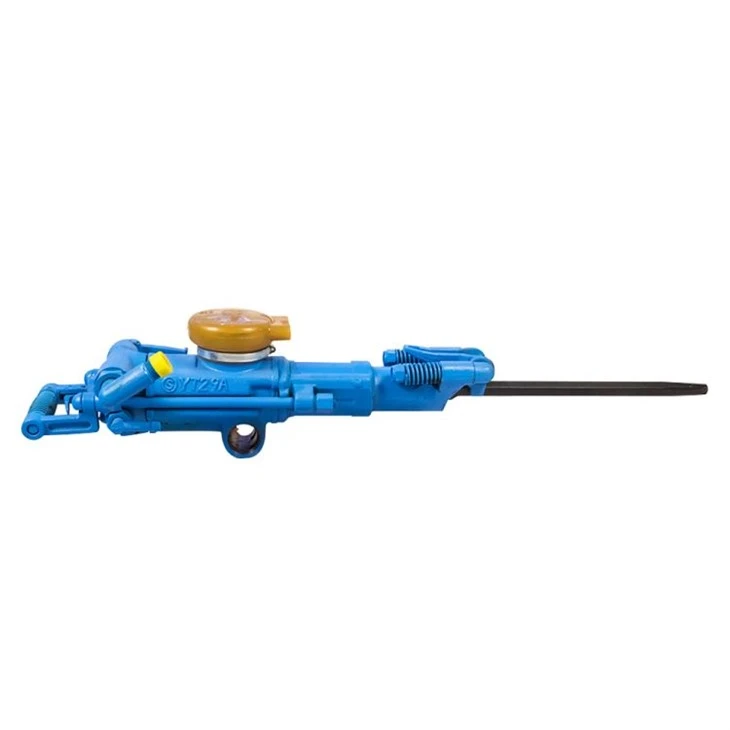
Now, let's talk about some of the air rock drills we offer. We have a great selection of pneumatic air leg rock drill. These drills are known for their stability and power. The air leg provides support and helps maintain a consistent drilling pressure, which can improve the overall performance.
We also have hand held rock drilling equipment. These are more portable and are great for smaller projects or areas where it's difficult to use larger drills. And if you're looking for something more compact, our mini pneumatic drill is a great option. Despite its small size, it packs a punch and can be very effective for light - duty drilling tasks.
If you're in the market for an air rock drill and want to learn more about how our products perform, or if you have any questions about measuring the performance of these drills, don't hesitate to reach out. We're here to help you make the right choice for your project. Whether you're a professional contractor or a DIY enthusiast, we have the right air rock drill for you.
References
- "Drilling Technology Handbook" - A comprehensive guide on various drilling techniques and equipment performance measurement.
- Industry reports on air rock drill performance from leading manufacturers.
So, if you're interested in discussing your air rock drill needs and want to explore our product range, feel free to start a conversation with us. We're eager to assist you in finding the perfect drill for your requirements.