Hey there! As a supplier in the down the hole (DTH) drilling industry, I've seen firsthand the crucial role that the lubrication system plays in this type of drilling. In this blog, I'm gonna break down what the lubrication system does and why it's so important for DTH drilling.
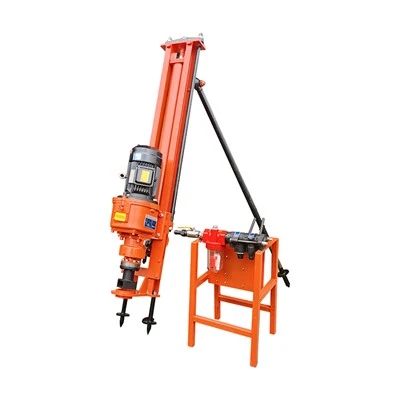
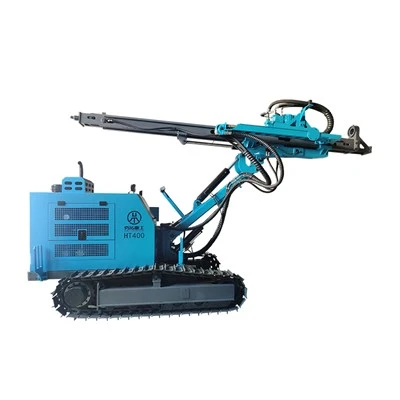
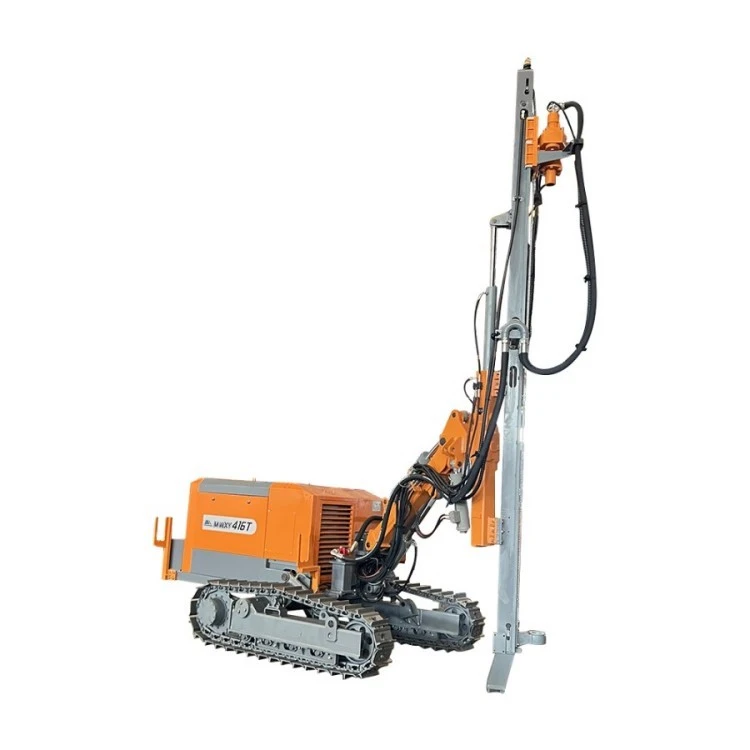
First off, let's talk about what DTH drilling is. It's a method where a drill bit is located at the bottom of the drill string, and the hammering action occurs right at the hole bottom. This technique is widely used in various industries, including mining, construction, and quarrying. We offer a range of DTH drilling equipment, like the DTH Drilling Machine, Open Pit Drill Rig, and Crawler dth Drilling Rig.
Now, onto the lubrication system. Its main job is to reduce friction between moving parts in the DTH drill. In a DTH drill, there are a lot of components that are constantly in motion, like the piston, valves, and bearings. When these parts rub against each other, friction is generated. Friction can cause a whole bunch of problems, such as wear and tear on the parts, overheating, and even premature failure of the drill.
One of the key functions of the lubrication system is to create a thin film of lubricant between the moving parts. This film acts as a barrier, preventing the metal surfaces from coming into direct contact with each other. As a result, the friction is significantly reduced, and the parts can move more smoothly. This not only extends the lifespan of the drill components but also improves the overall efficiency of the drilling operation.
Another important role of the lubrication system is to dissipate heat. During the drilling process, a large amount of heat is generated due to the friction between the drill bit and the rock, as well as the internal friction within the drill. If this heat isn't removed, it can cause the drill components to expand, which can lead to increased wear and potential damage. The lubricant in the system absorbs the heat and carries it away from the critical parts, helping to keep the drill at a safe operating temperature.
The lubrication system also helps to prevent corrosion. When the drill is exposed to moisture, dirt, and other contaminants, the metal parts are at risk of rusting and corroding. The lubricant forms a protective layer on the surfaces of the components, shielding them from these harmful elements. This is especially important in harsh environments where the drill may be exposed to water, salt, or abrasive particles.
In addition to these functions, the lubrication system can also help to flush out debris and contaminants from the drill. As the lubricant circulates through the system, it picks up small particles of rock, dust, and other debris that may have entered the drill. These contaminants are then carried away and filtered out, preventing them from causing damage to the internal components.
Now, let's talk about the different types of lubricants used in DTH drilling. There are several options available, including mineral oils, synthetic oils, and biodegradable lubricants. Mineral oils are the most commonly used type of lubricant. They are relatively inexpensive and have good lubricating properties. However, they may not be suitable for all applications, especially in high-temperature or high-pressure environments.

Synthetic oils, on the other hand, offer superior performance in extreme conditions. They have better thermal stability, oxidation resistance, and viscosity characteristics compared to mineral oils. This makes them ideal for use in DTH drills that operate in harsh environments or at high speeds.
Biodegradable lubricants are becoming increasingly popular due to their environmental friendliness. They are made from renewable resources and break down quickly in the environment, reducing the impact on the ecosystem. These lubricants are a great option for companies that are looking to minimize their environmental footprint.
Proper maintenance of the lubrication system is essential for ensuring its effectiveness. This includes regularly checking the lubricant level, changing the lubricant at the recommended intervals, and inspecting the filters. It's also important to use the right type and grade of lubricant for your specific drill. Using the wrong lubricant can lead to poor performance, increased wear, and potential damage to the drill.
In conclusion, the lubrication system plays a vital role in DTH drilling. It helps to reduce friction, dissipate heat, prevent corrosion, and flush out contaminants, all of which contribute to the smooth operation and longevity of the drill. As a DTH drilling supplier, we understand the importance of a well-functioning lubrication system, and we're committed to providing our customers with high-quality equipment and the support they need to keep their drills running at their best.
If you're in the market for a DTH drilling machine or have any questions about the lubrication system or our products, don't hesitate to get in touch. We're here to help you find the right solution for your drilling needs.
References
- Industry research on DTH drilling technology
- Technical manuals of DTH drilling equipment