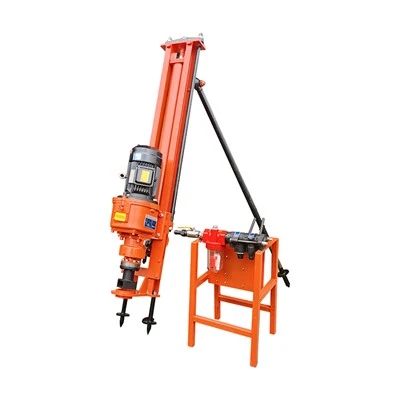
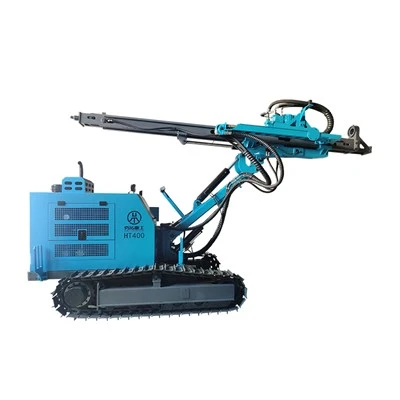
Hey there! As a supplier of pneumatic air leg rock drills, I often get asked about the starting method of these powerful tools. In this blog, I'm gonna break it down for you in a simple and easy - to - understand way.
First off, let's talk a bit about what a pneumatic air leg rock drill is. It's a handy piece of equipment used in a variety of industries, like mining, construction, and quarrying. The pneumatic air leg rock drill gets its power from compressed air, which makes it a reliable and efficient choice for drilling holes in hard rock. If you're interested in learning more about it, you can check out this link: pneumatic air leg rock drill.


So, what's the starting method of a pneumatic air leg rock drill? Well, it's not as complicated as it might seem.
Pre - start Checks
Before you even think about starting the drill, there are a few important pre - start checks you need to do. First, you gotta make sure the drill is properly installed on the air leg. The air leg is what provides support and stability to the drill during operation. Check all the connections between the drill and the air leg to make sure they're tight and secure.
Next, inspect the air supply system. The drill runs on compressed air, so you need to ensure that the air compressor is working correctly and that the air hoses are in good condition. Look for any signs of damage, like cracks or leaks, in the hoses. If you find any issues, fix them right away. You don't want any air leaks because it can reduce the drill's performance and efficiency.
Also, take a look at the drill bit. The drill bit is the part that actually cuts into the rock, so it needs to be in good shape. Make sure it's sharp and properly attached to the drill. A dull or loose drill bit can cause problems during drilling and may even damage the drill itself.
Starting the Drill
Once you've completed all the pre - start checks, it's time to start the drill. Here's a step - by - step guide on how to do it:
-
Turn on the Air Supply: First, you need to turn on the air compressor to supply compressed air to the drill. Open the valve on the air compressor slowly. This allows the air to gradually build up in the system and prevents any sudden surges that could damage the drill. You should hear the sound of air flowing through the hoses.
-
Adjust the Air Pressure: After turning on the air supply, you need to adjust the air pressure to the appropriate level. Different drills have different recommended air pressures, so refer to the drill's manual for the correct setting. Usually, you can adjust the air pressure using a pressure regulator on the air compressor or on the drill itself. Set the pressure to the right value to ensure optimal performance of the drill.
-
Engage the Drill: Once the air pressure is set, you can engage the drill. Most pneumatic air leg rock drills have a trigger or a lever that you need to pull or push to start the drilling action. When you engage the drill, the compressed air will start to power the internal mechanisms of the drill, causing the drill bit to rotate and hammer into the rock.
-
Position the Drill: While the drill is running, you need to position it correctly on the rock surface. Use the air leg to adjust the height and angle of the drill. Make sure the drill bit is perpendicular to the rock surface for the most efficient drilling. If the drill is at an angle, it can cause the drill bit to wear unevenly and may also make the drilling process more difficult.
Tips for a Smooth Start
Here are some tips to ensure a smooth start and operation of your pneumatic air leg rock drill:
- Warm - up the Drill: Just like a car engine, it's a good idea to let the drill warm up for a few minutes before you start heavy - duty drilling. This allows the internal components to lubricate properly and reduces the risk of damage.
- Keep an Eye on the Air Flow: During operation, pay attention to the air flow. If you notice a decrease in the air flow or any unusual noises, it could be a sign of a problem, such as a blockage in the air hoses or a malfunction in the drill. Stop the drill immediately and check for any issues.
- Use the Right Drill Bit: Using the right drill bit for the type of rock you're drilling is crucial. Different rocks have different hardness levels, and using an inappropriate drill bit can lead to poor performance and premature wear.
Other Related Drilling Equipment
In addition to the pneumatic air leg rock drill, we also offer other related drilling equipment. For example, if you're looking for a smaller - scale drilling solution, you might be interested in small down the hole drilling. These machines are great for projects where space is limited or for more precise drilling tasks.
We also have mini pneumatic drill, which are compact and easy to operate. They're perfect for light - duty drilling jobs or for use in areas where larger equipment can't reach.
Why Choose Our Pneumatic Air Leg Rock Drills
Our pneumatic air leg rock drills are known for their high quality and reliability. We use only the best materials and the latest manufacturing techniques to ensure that our drills can withstand the toughest working conditions. Our drills are also designed with user - friendly features, making them easy to operate and maintain.
If you're in the market for a pneumatic air leg rock drill or any other drilling equipment, we'd love to hear from you. Whether you're a small - scale contractor or a large - scale mining company, we can provide you with the right equipment to meet your needs. Contact us to start a conversation about your drilling requirements and to get a quote. We're here to help you find the best solution for your projects.
References
- Manufacturer's manuals for pneumatic air leg rock drills
- Industry standards for pneumatic drilling equipment
- Technical guides on rock drilling operations