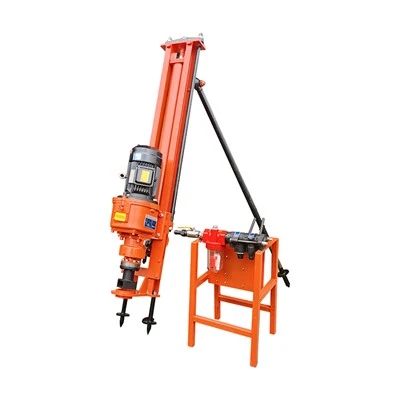
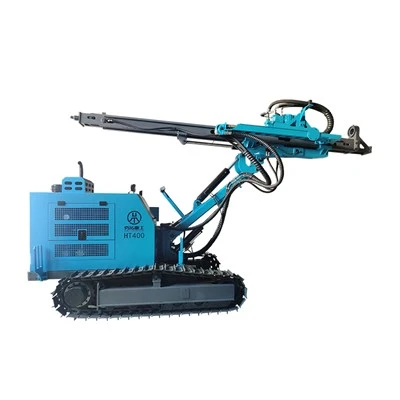
As a seasoned supplier of water well drilling rig trucks, I've had the privilege of witnessing firsthand the intricate workings of these remarkable machines. One of the most critical aspects of a water well drilling rig truck is its power - distribution system. In this blog, I'll delve deep into what this power - distribution system entails, its components, and its importance in the overall operation of the rig.
Understanding the Basics of a Power - Distribution System in a Water Well Drilling Rig Truck
The power - distribution system in a water well drilling rig truck is essentially the circulatory system of the machine. It is responsible for taking the power generated by the prime mover (usually the truck's engine or an auxiliary power unit) and distributing it to various components that require energy to function. These components include the drilling mechanism, hydraulic pumps, winches, and other auxiliary equipment.
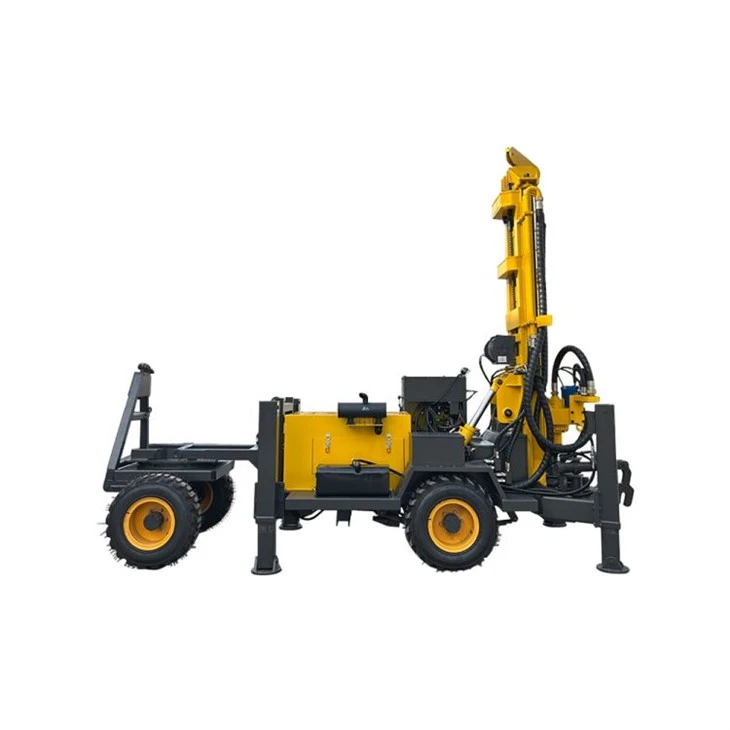
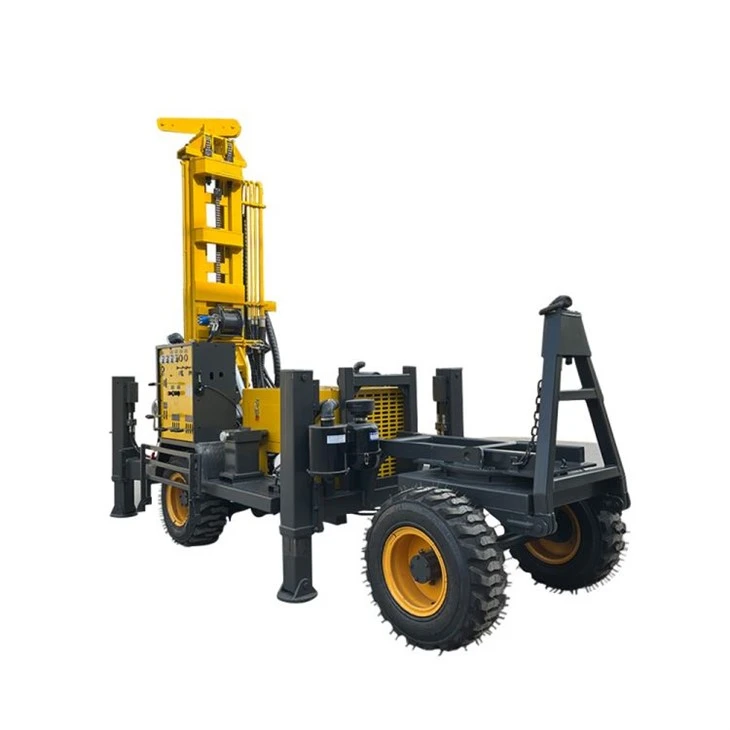
The primary goal of the power - distribution system is to ensure that each part of the rig gets the right amount of power at the right time. This is crucial for efficient and safe drilling operations. If a component doesn't receive enough power, it may not function properly, leading to delays or even equipment failure. On the other hand, if a component is over - powered, it can cause excessive wear and tear, increasing the risk of breakdowns and reducing the lifespan of the equipment.
Components of the Power - Distribution System
Prime Mover
The prime mover is the heart of the power - distribution system. In most water well drilling rig trucks, the truck's engine serves as the prime mover. However, in some cases, an auxiliary power unit (APU) may be used, especially for larger rigs or when additional power is required. The prime mover generates mechanical power, which is then converted into other forms of energy, such as electrical or hydraulic power, for use by different components of the rig.
Transmission System
The transmission system is responsible for transferring the power from the prime mover to the various components of the rig. It includes the gearbox, driveshafts, and other mechanical linkages. The gearbox allows the operator to adjust the speed and torque of the power being transmitted, depending on the requirements of the drilling operation. For example, when drilling through hard rock, a higher torque may be required, and the gearbox can be adjusted accordingly.
Electrical Power Generation and Distribution
Many water well drilling rig trucks also have an electrical power generation system. This is typically achieved through an alternator, which is driven by the prime mover. The alternator converts mechanical energy into electrical energy, which is then used to power electrical components such as lights, control panels, and sensors. The electrical power is distributed through a network of wires and circuit breakers, which ensure that the power is safely and efficiently delivered to the intended components.
Hydraulic Power System
The hydraulic power system is another crucial part of the power - distribution system. It uses hydraulic fluid to transmit power and control the movement of various components, such as the drill bit, the mast, and the winches. The hydraulic system consists of a hydraulic pump, which is driven by the prime mover, hydraulic cylinders, valves, and hoses. The hydraulic pump pressurizes the hydraulic fluid, which is then sent through the valves to the hydraulic cylinders. The movement of the fluid in the cylinders causes them to extend or retract, thereby moving the associated components.
Importance of a Well - Designed Power - Distribution System
Efficiency
A well - designed power - distribution system can significantly improve the efficiency of a water well drilling rig truck. By ensuring that each component receives the right amount of power at the right time, the rig can operate at its optimal level, reducing energy waste and increasing productivity. For example, a properly adjusted gearbox can ensure that the engine is operating within its most efficient range, resulting in lower fuel consumption.
Safety
Safety is of utmost importance in any drilling operation. A reliable power - distribution system helps to ensure the safety of the operators and the equipment. Circuit breakers in the electrical system protect against electrical overloads, reducing the risk of electrical fires. The hydraulic system's pressure relief valves prevent over - pressurization, which can cause hydraulic hoses to burst or cylinders to fail.
Reliability
A robust power - distribution system enhances the reliability of the water well drilling rig truck. Components that receive the right amount of power are less likely to experience premature wear and tear, reducing the frequency of breakdowns and maintenance requirements. This means that the rig can spend more time drilling and less time in the repair shop, increasing the overall profitability of the operation.
Different Types of Water Well Drilling Rig Trucks and Their Power - Distribution Systems
Tractor Mounted Water Well Drilling Rig
Tractor - mounted water well drilling rigs are often used in smaller - scale drilling operations. The power - distribution system in these rigs is typically simpler compared to larger truck - mounted rigs. The tractor's engine serves as the prime mover, and the power is transmitted through a mechanical transmission system to the drilling components. The electrical and hydraulic systems are also relatively basic, but they are still designed to meet the specific needs of the drilling operation.
truck mounted water well drilling rig
Truck - mounted water well drilling rigs are more common in medium - to large - scale drilling operations. These rigs usually have a more complex power - distribution system. The truck's engine provides the primary power, but additional power may be available from an APU. The transmission system is more sophisticated, allowing for greater control over the speed and torque of the power being transmitted. The electrical and hydraulic systems are also more advanced, with more components and greater capacity to handle the demands of the rig.
reverse circulation water well drilling rig
Reverse circulation water well drilling rigs are specialized rigs that use a different drilling technique. The power - distribution system in these rigs is designed to meet the unique requirements of the reverse circulation process. They often require more power for the pumping system, which is used to circulate the drilling fluid in the reverse direction. The hydraulic and electrical systems are also configured to support the additional components and functions associated with reverse circulation drilling.
Conclusion
The power - distribution system is a critical aspect of a water well drilling rig truck. It plays a vital role in ensuring the efficiency, safety, and reliability of the rig. As a supplier of water well drilling rig trucks, I understand the importance of a well - designed power - distribution system. We strive to provide our customers with rigs that have robust and efficient power - distribution systems, tailored to their specific drilling needs.
If you're in the market for a water well drilling rig truck, whether it's a tractor - mounted, truck - mounted, or reverse circulation rig, we're here to help. Our team of experts can work with you to understand your requirements and recommend the best rig for your project. We offer high - quality rigs with advanced power - distribution systems that are designed to deliver optimal performance. Contact us today to start a conversation about your water well drilling needs and explore how our rigs can meet your expectations.
References
- Drilling Equipment Handbook: A comprehensive guide to the design and operation of water well drilling equipment.
- Hydraulic Power Systems: Principles and Applications, which provides in - depth knowledge about hydraulic power systems used in drilling rigs.
- Electrical Power Generation and Distribution in Industrial Equipment, a resource that explains the electrical power aspects of water well drilling rig trucks.