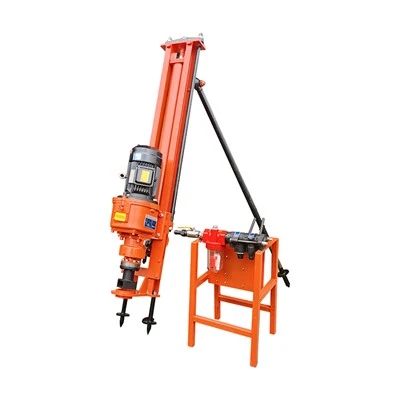
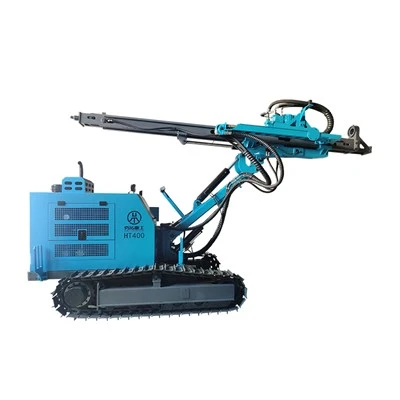
Hey there! As a supplier in the down the hole (DTH) drilling industry, I've seen my fair share of problems that operators face out in the field. In this blog, I'm gonna talk about some common issues in DTH drilling and how we can solve them.
1. Bit Wear and Breakage
One of the most common problems in DTH drilling is bit wear and breakage. The bit is the part that directly interacts with the rock, and it takes a lot of abuse. Over time, the teeth on the bit can wear down, reducing its cutting efficiency. Sometimes, the bit can even break due to excessive stress or hitting hard rocks.
Causes:
- Hard rock formations: When drilling through hard rocks like granite or basalt, the bit has to work extra hard, which accelerates wear.
- Improper drilling parameters: Using too high a rotation speed or too much thrust can put too much stress on the bit, leading to breakage.
Solutions:
- Choose the right bit: Select a bit that is suitable for the type of rock you're drilling. For hard rocks, you might want to use a bit with carbide teeth or a diamond - impregnated bit.
- Adjust drilling parameters: Make sure to use the correct rotation speed and thrust for the bit and the rock formation. You can refer to the bit manufacturer's guidelines for the recommended parameters.
- Regular inspection and replacement: Check the bit regularly for signs of wear and replace it when necessary. This will ensure that your drilling operations remain efficient.
If you're looking for a high - quality DTH Drilling Machine that comes with reliable bits, we've got you covered. Our machines are designed to work effectively with different types of bits, reducing the risk of bit - related problems.
2. Air Compressor Issues
The air compressor is a crucial part of the DTH drilling system. It provides the air that powers the hammer and clears the cuttings from the hole. When the air compressor malfunctions, it can cause a whole host of problems.
Causes:
- Overheating: If the air compressor runs for too long without proper cooling, it can overheat. This can be due to a blocked cooling system or a malfunctioning fan.
- Low air pressure: A leak in the air lines, a clogged air filter, or a worn - out compressor pump can all lead to low air pressure.
- Oil contamination: If the oil in the compressor gets contaminated, it can cause damage to the compressor components.
Solutions:
- Cooling maintenance: Make sure the cooling system of the air compressor is clean and functioning properly. Regularly check the fans and radiators and clean or replace them if necessary.
- Leak detection and repair: Inspect the air lines for leaks and repair them immediately. Also, clean or replace the air filter regularly to ensure proper air flow.
- Oil change and filtration: Follow the manufacturer's recommendations for oil changes and use high - quality oil filters to prevent oil contamination.
Our Multi - Functional Rock Drilling Rig comes with a high - performance air compressor that is designed to be reliable and easy to maintain. We also offer after - sales support to help you troubleshoot any air compressor issues.
3. Hole Deviation
Hole deviation is another problem that can occur during DTH drilling. When the hole doesn't go straight down, it can cause problems with the installation of pipes or other equipment in the hole.
Causes:
- Uneven rock formations: If the rock has different hardness levels or contains fractures, the bit may tend to deviate from the intended path.
- Improper equipment setup: Incorrect alignment of the drilling rig or the use of a bent drill pipe can also cause hole deviation.
Solutions:
- Use a steering tool: There are various steering tools available that can help you correct the direction of the hole during drilling. These tools can be adjusted to apply lateral force to the bit, keeping the hole on track.
- Check equipment alignment: Before starting the drilling operation, make sure the drilling rig is properly aligned and the drill pipes are straight.
- Geological survey: Conduct a geological survey of the area before drilling to identify any potential problem areas. This will allow you to adjust your drilling strategy accordingly.
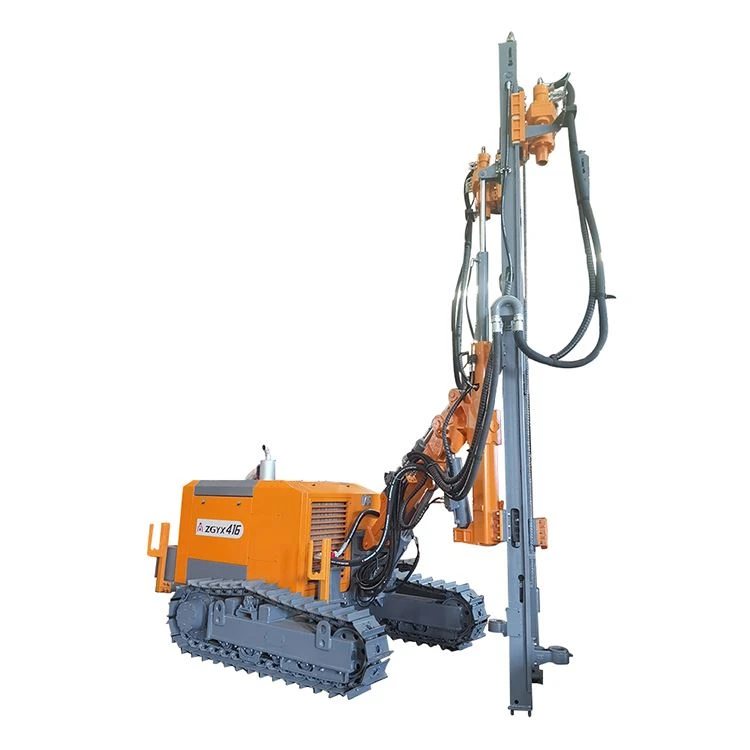
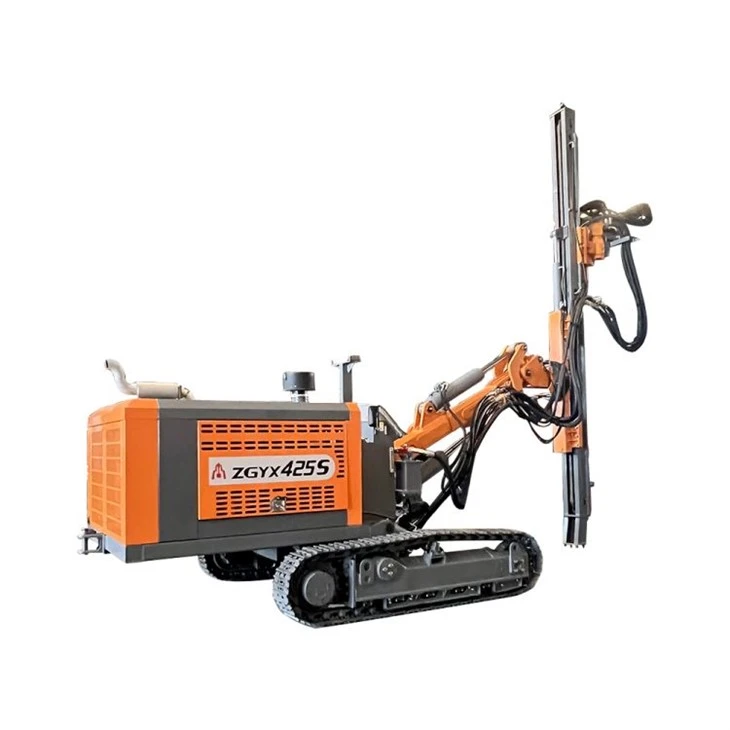
Our Down The Hole Drill Rig is equipped with advanced technology that helps minimize hole deviation. We also provide training to our customers on how to operate the rig to achieve straight holes.
4. Cuttings Removal Problems
Proper cuttings removal is essential for efficient DTH drilling. If the cuttings are not removed from the hole, they can accumulate and cause the bit to overheat, reduce the efficiency of the hammer, and even lead to hole blockage.
Causes:
- Insufficient air flow: If the air compressor doesn't provide enough air, the cuttings may not be blown out of the hole effectively.
- Wrong air nozzle design: Using an air nozzle that is not suitable for the hole diameter or the type of cuttings can also lead to poor cuttings removal.
Solutions:
- Increase air flow: Check the air compressor settings and make sure it is providing enough air pressure and volume. You may need to upgrade the air compressor if it is not powerful enough.
- Choose the right air nozzle: Select an air nozzle that is designed to match the hole diameter and the type of cuttings. There are different types of air nozzles available, such as straight - bore nozzles and venturi nozzles.
We offer a range of DTH drilling equipment that is optimized for efficient cuttings removal. Our experts can also help you choose the right air nozzle for your specific drilling needs.
5. Hammer Malfunctions
The hammer is the heart of the DTH drilling system. It creates the impact force that breaks the rock. When the hammer malfunctions, the drilling process can come to a halt.
Causes:
- Lack of lubrication: If the hammer is not properly lubricated, the moving parts can wear out quickly and cause the hammer to stop working.
- Foreign object ingestion: Sometimes, small rocks or other debris can get into the hammer, causing damage to the internal components.
- Wear and tear: Over time, the internal components of the hammer can wear out due to the high - impact forces.
Solutions:
- Proper lubrication: Make sure to lubricate the hammer regularly according to the manufacturer's recommendations. Use high - quality lubricants to ensure smooth operation.
- Install a debris filter: To prevent foreign objects from entering the hammer, install a debris filter in the air line.
- Regular maintenance: Conduct regular maintenance on the hammer, including disassembling and inspecting the internal components. Replace any worn - out parts as soon as possible.
Our DTH drilling machines come with high - quality hammers that are designed to be durable and reliable. We also offer maintenance packages to help you keep your hammers in top condition.
In conclusion, DTH drilling can face several common problems, but with the right equipment, proper maintenance, and a good understanding of the drilling process, these problems can be effectively solved. As a DTH drilling supplier, we're committed to providing you with the best - quality equipment and support to ensure the success of your drilling operations.
If you're interested in our products or have any questions about DTH drilling, feel free to reach out to us. We're here to help you with your procurement needs and answer any technical questions you may have. Let's start a conversation and see how we can work together to make your DTH drilling projects a success!
References
- Drilling Equipment Handbook, Various Industry Publications
- Manufacturer's Manuals for DTH Drilling Machines and Components