Hey there! As a supplier of screw air compressors, I often get asked about how to measure the air quality of a screw air compressor output. It's a crucial question, especially for industries where clean air is a must. In this blog, I'll share some practical ways to measure the air quality of your screw air compressor's output.
First off, let's understand why measuring air quality is so important. In many industrial applications, the air produced by the compressor is used directly in the manufacturing process. If the air quality is poor, it can lead to a whole bunch of problems. For example, in the food and beverage industry, contaminated air can spoil products and pose health risks. In the electronics industry, even tiny particles in the air can damage sensitive components. So, ensuring good air quality is not just about compliance; it's about the quality of your end - product.
Measuring Particulate Matter
One of the key aspects of air quality is the amount of particulate matter in the compressed air. Particulates can include dust, dirt, and even metal shavings from the compressor itself. To measure particulate matter, you can use a particle counter.
A particle counter works by drawing in a sample of the compressed air and using a laser to detect and count the particles. These devices can measure particles of different sizes, usually ranging from 0.1 to 10 micrometers. You can place the particle counter at the output of the compressor or at various points in the air distribution system to get a comprehensive view of the particulate levels.
If you find that the particulate levels are too high, it could mean that your air filters are not working properly. You might need to replace them or upgrade to a higher - efficiency filter. And if you're in the market for a new screw air compressor, we have some great options like the Potrable Screw Air Compressor which comes with high - quality filters to minimize particulate contamination.
Measuring Oil Content
Another important factor in air quality is the oil content in the compressed air. Most screw air compressors use oil for lubrication, and some of this oil can end up in the compressed air. High oil content can cause issues in applications where oil - free air is required, such as in the pharmaceutical or painting industries.
To measure the oil content, you can use an oil vapor detector. These detectors work by collecting a sample of the compressed air and analyzing it for the presence of oil vapor. Some detectors can also measure the concentration of oil in the air.
If you detect a high oil content, it could be due to a faulty oil separator in the compressor. You may need to service or replace the separator. Our Fixed Screw Air Compressor is designed with advanced oil separation technology to keep the oil content in the output air to a minimum.
Measuring Moisture Content
Moisture in compressed air is also a major concern. Moisture can cause corrosion in the air distribution system, damage pneumatic tools, and even affect the quality of products in some industries. To measure the moisture content, you can use a dew point meter.
A dew point meter measures the temperature at which the water vapor in the compressed air will start to condense. The lower the dew point, the drier the air. You can place the dew point meter at the compressor output or at strategic points in the air system.
If the moisture content is too high, you might need to install a dryer in your air system. There are different types of dryers available, such as refrigerated dryers and desiccant dryers. Our stationary air compressor can be easily integrated with these dryers to ensure dry and clean air output.
Regular Monitoring and Maintenance
Measuring air quality is not a one - time thing. It's important to establish a regular monitoring schedule. You can set up a routine where you measure the particulate matter, oil content, and moisture content on a weekly or monthly basis, depending on your usage and industry requirements.
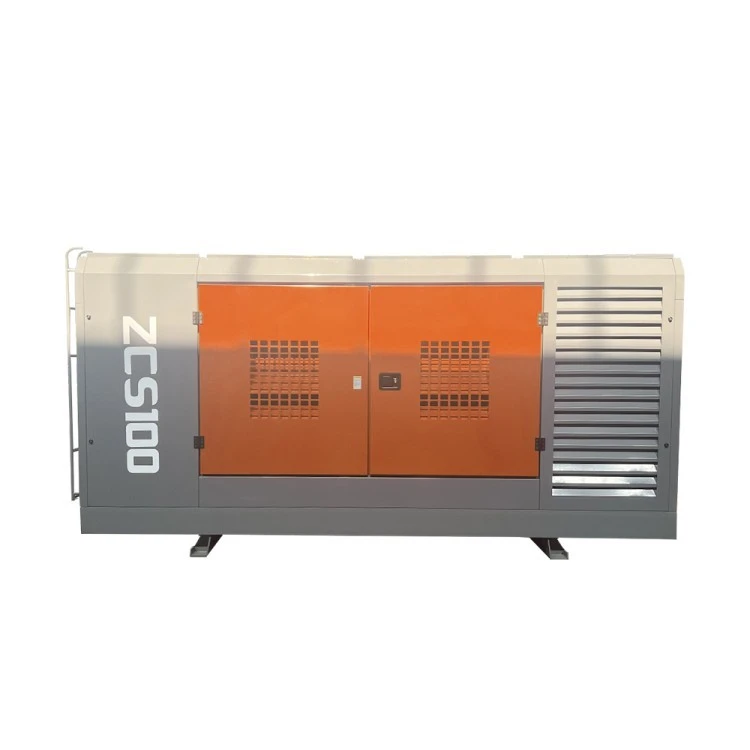

Regular maintenance of your screw air compressor is also crucial. This includes changing filters, servicing oil separators, and checking the dryer. By keeping your compressor in good condition, you can ensure consistent and high - quality air output.
Conclusion
Measuring the air quality of a screw air compressor output is essential for many industries. By using the right tools like particle counters, oil vapor detectors, and dew point meters, you can accurately assess the air quality. And if you encounter any issues, taking prompt action such as replacing filters or servicing components can help maintain good air quality.
If you're looking for a reliable screw air compressor or need advice on air quality measurement, we're here to help. Our team of experts can assist you in choosing the right compressor for your needs and provide guidance on air quality management. Don't hesitate to reach out for a consultation and let's start a discussion about your air compressor requirements.
References
- Compressed Air and Gas Institute (CAGI) - Standards and guidelines for compressed air quality.
- International Organization for Standardization (ISO) - ISO 8573 series for compressed air quality standards.