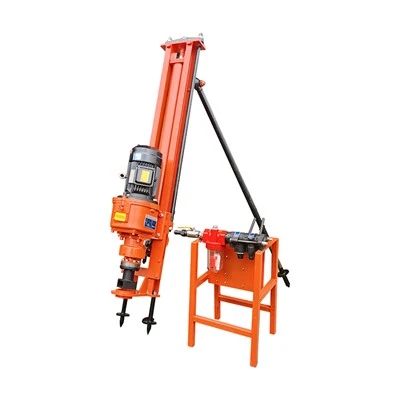
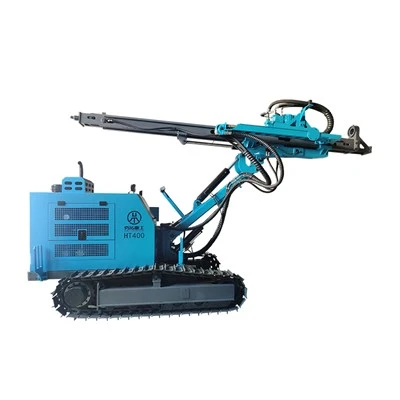
As a supplier of water well drilling rig trucks, I often encounter inquiries about the hydraulic hose arrangement on these machines. Understanding this aspect is crucial for both the efficient operation and maintenance of the equipment. In this blog, I'll delve into the details of the hydraulic hose arrangement on a water well drilling rig truck.
1. Function and Importance of Hydraulic Hoses in Drilling Rig Trucks
Hydraulic systems play a pivotal role in the operation of water well drilling rig trucks. They are responsible for powering various components of the rig, such as the drill head, feed system, and stabilizers. Hydraulic hoses are the conduits that carry the hydraulic fluid from the pump to these components, enabling precise control and movement.
The proper arrangement of hydraulic hoses is essential for several reasons. Firstly, it ensures the efficient transfer of hydraulic power. A well - arranged hose system minimizes pressure losses, which in turn improves the overall performance of the drilling rig. Secondly, it enhances safety. Properly routed hoses are less likely to be damaged by moving parts, sharp edges, or environmental factors, reducing the risk of hydraulic fluid leaks and potential accidents. Finally, a well - organized hose arrangement simplifies maintenance and troubleshooting, allowing technicians to quickly identify and access the hoses when needed.
2. General Principles of Hydraulic Hose Arrangement
Avoiding Sharp Bends
Hydraulic hoses should be routed in a way that avoids sharp bends. Sharp bends can cause internal damage to the hose, restrict the flow of hydraulic fluid, and increase pressure losses. As a general rule, the minimum bend radius of a hydraulic hose should be at least as large as the manufacturer's specified value. This ensures that the hose can maintain its integrity and function effectively over time.
Securing Hoses
Hoses need to be securely fastened to prevent them from moving or vibrating during the operation of the drilling rig. Loose hoses can rub against other components, leading to abrasion and eventual failure. Hose clamps, brackets, and guides are commonly used to secure hoses in place. These fasteners should be installed at regular intervals along the length of the hose to ensure proper support.
Protecting from External Damage
The hydraulic hoses on a water well drilling rig truck are exposed to a variety of external hazards, such as rocks, debris, and extreme weather conditions. To protect the hoses, they can be routed through protective sleeves or channels. Additionally, hoses should be kept away from hot surfaces, as high temperatures can degrade the hose material and reduce its lifespan.
3. Specific Hose Arrangement for Different Components
Drill Head
The drill head is one of the most critical components of a water well drilling rig. It requires a reliable supply of hydraulic power to rotate the drill bit and apply downward force. The hydraulic hoses for the drill head are typically routed from the hydraulic pump to the drill head motor. These hoses need to be flexible enough to allow for the movement of the drill head during operation. They are usually secured along the mast of the drilling rig to prevent them from interfering with the drilling process.
Feed System
The feed system is responsible for raising and lowering the drill string. It consists of a hydraulic cylinder or a chain drive system powered by hydraulic motors. The hydraulic hoses for the feed system are connected to the hydraulic cylinder or motor. They are often routed along the frame of the drilling rig to provide a stable and direct path for the hydraulic fluid.
Stabilizers
Stabilizers are used to keep the drilling rig stable during operation. They are typically hydraulic - actuated and require a separate set of hydraulic hoses. These hoses are connected to the hydraulic cylinders of the stabilizers and are routed in a way that allows for easy extension and retraction of the stabilizers.
4. Case Studies and Examples
Let's take a look at some real - world examples of hydraulic hose arrangement on water well drilling rig trucks.
Light Truck Mounted Borehole Drilling Machine
The Light Truck Mounted Borehole Drilling Machine is a compact and versatile drilling rig. Its hydraulic hose arrangement is designed to optimize space utilization on the truck. The hoses are neatly routed along the frame of the truck and the mast of the drilling rig. This arrangement not only ensures efficient power transfer but also makes the rig easy to transport and operate in tight spaces.
Hydraulic Crawler water well drilling rig
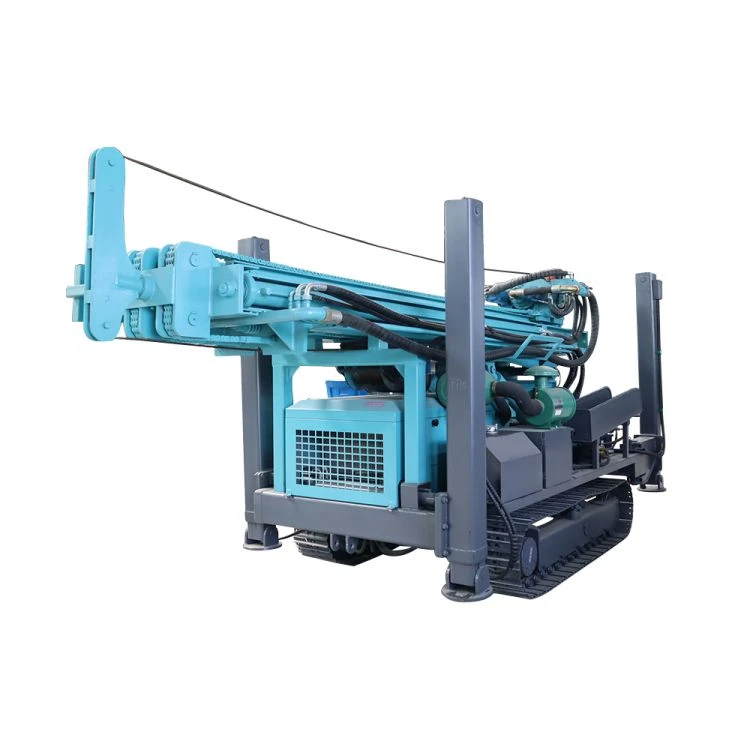
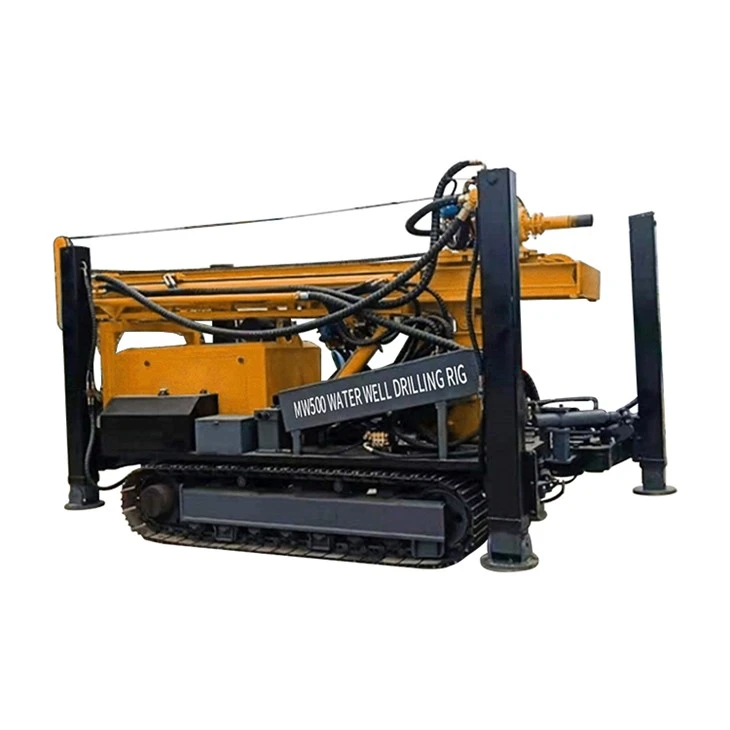
The Hydraulic Crawler water well drilling rig is a heavy - duty drilling rig that can operate in rough terrains. Its hydraulic hoses are arranged to withstand the rigors of off - road operation. The hoses are protected by heavy - duty sleeves and are routed in a way that minimizes the risk of damage from rocks and debris. Additionally, the hose arrangement allows for easy access to the hydraulic components for maintenance and repair.
Deep water well drilling machine
The Deep water well drilling machine is designed for drilling deep water wells. It requires a high - pressure hydraulic system to operate effectively. The hydraulic hoses for this machine are carefully selected and arranged to handle the high pressures. They are routed in a way that reduces the risk of pressure surges and ensures a continuous supply of hydraulic fluid to the drilling components.
5. Maintenance and Inspection of Hydraulic Hoses
Regular maintenance and inspection of hydraulic hoses are essential to ensure the safe and efficient operation of a water well drilling rig truck. Here are some key points to keep in mind:
- Visual Inspection: Regularly check the hoses for signs of wear, such as cracks, abrasions, or bulges. Any damaged hoses should be replaced immediately.
- Pressure Testing: Periodically perform pressure tests on the hydraulic system to ensure that the hoses can withstand the operating pressures. This helps to detect any potential leaks or weaknesses in the hoses.
- Fluid Analysis: Analyze the hydraulic fluid regularly to check for contaminants or signs of hose degradation. Contaminated fluid can cause damage to the hoses and other hydraulic components.
6. Conclusion and Call to Action
In conclusion, the hydraulic hose arrangement on a water well drilling rig truck is a complex but crucial aspect of the rig's design and operation. A well - arranged hose system ensures efficient power transfer, enhances safety, and simplifies maintenance. As a supplier of water well drilling rig trucks, we are committed to providing high - quality equipment with optimized hydraulic hose arrangements.
If you are in the market for a water well drilling rig truck or have any questions about hydraulic hose arrangement, we encourage you to contact us for a detailed discussion. Our team of experts is ready to assist you in selecting the right equipment and providing the necessary support for your drilling projects.
References
- "Hydraulic Systems and Components" by John C. Hayes
- "Drilling Rig Design and Operation" by Michael J. Economides