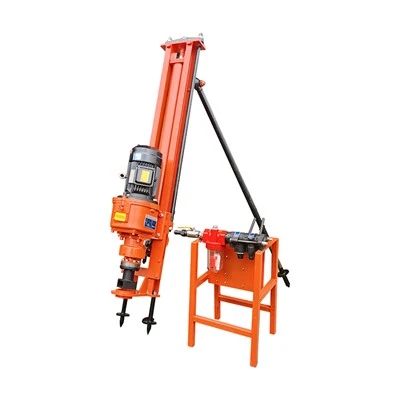
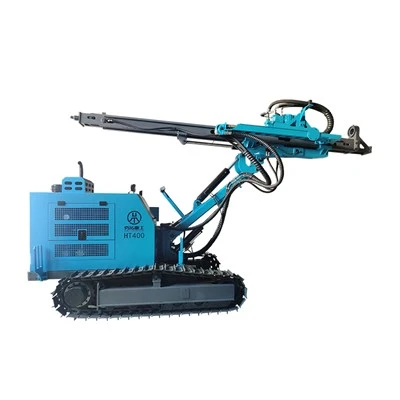
Hey there! As a supplier of DTH hammers, I often get asked about the differences between DTH hammers and other types of drills. In this blog, I'll break it down for you in a simple and easy - to - understand way.
Let's start with a bit of an overview. Drilling is a crucial process in various industries like mining, construction, and geothermal energy. There are different types of drills available, each with its own set of features and use - cases. And DTH hammers are one of the unique players in this field.
How DTH Hammers Work
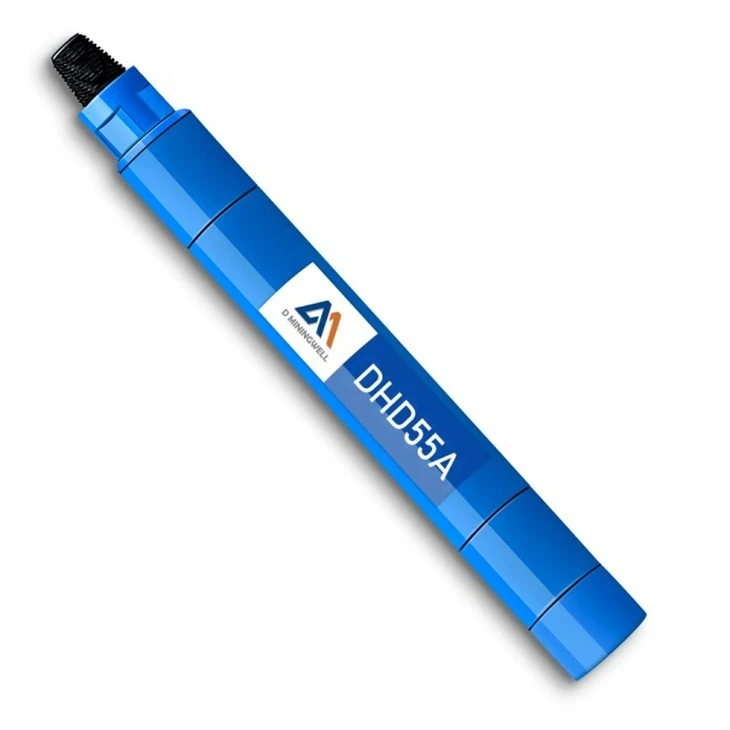
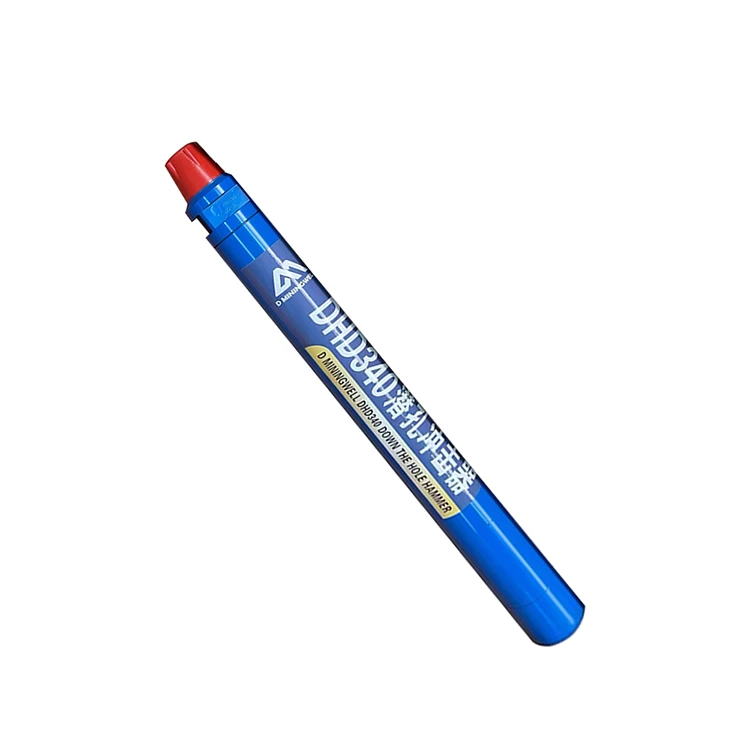
First, let's talk about how DTH hammers operate. A DTH hammer is a down - the - hole drilling tool. It works by using compressed air to drive a piston inside the hammer. This piston then strikes the drill bit, creating a high - energy impact that breaks through the rock. The compressed air also helps in clearing the cuttings from the hole, keeping the drilling process efficient.
For example, in a mining operation, when you need to drill deep holes in hard rock, a DTH hammer can do the job effectively. The continuous impact force allows it to penetrate the tough rock layers quickly. You can check out our Low Pressure Down - the - hole Hammer which is suitable for certain types of rock formations where lower air pressure is sufficient.
Other Drills and Their Working Principles
Now, let's look at some other common types of drills.
Rotary Drills
Rotary drills are quite popular. They work by rotating the drill bit at a high speed. The rotation creates a cutting action on the rock surface. This type of drill is often used in softer rock or soil. For instance, in construction projects where you're drilling holes for foundations in relatively soft ground, a rotary drill can be a great choice. But when it comes to hard rock, the cutting action might not be as effective as the impact force of a DTH hammer. Rotary drills rely more on the sharpness of the drill bit and the rotational force, and they can struggle when faced with extremely hard materials.
Core Drills
Core drills are used when you need to extract a cylindrical sample of the rock or other materials. They have a hollow drill bit that cuts around the perimeter of the core. This is very useful in geological surveys or when you need to analyze the internal structure of a rock formation. However, core drills are not designed for creating large - diameter holes quickly like DTH hammers. They are more focused on getting a high - quality sample, and the drilling speed is usually slower compared to DTH hammers.
Performance Differences
Penetration Rate
One of the most significant differences between DTH hammers and other drills is the penetration rate. DTH hammers can achieve a much higher penetration rate in hard rock. The impact force generated by the piston hitting the drill bit allows it to break through the rock faster. In contrast, rotary drills and core drills may take longer to penetrate the same type of hard rock. For example, in a granite quarry, a DTH hammer can drill several meters in an hour, while a rotary drill might take much longer to achieve the same depth. Our High Pressure DTH Hammer is designed to maximize the penetration rate in tough rock conditions by using higher air pressure to generate more powerful impacts.
Hole Quality
DTH hammers can create relatively straight and clean holes. The impact force is applied directly to the drill bit, which helps in maintaining the direction of the hole. Rotary drills, on the other hand, might deviate more easily, especially in uneven rock formations. Core drills are good at getting a clean core sample, but the hole they create might not be as smooth on the sides as a DTH hammer - drilled hole.
Adaptability to Different Rock Types
DTH hammers are highly adaptable to different rock types. Whether it's soft rock, medium - hard rock, or extremely hard rock, there's a DTH hammer configuration that can handle it. For softer rocks, a low - pressure DTH hammer can be used to save energy. And for very hard rocks, a high air pressure dth hammer can provide the necessary force. Other drills may have more limitations. Rotary drills are better suited for softer materials, and core drills are mainly for sample extraction rather than general - purpose drilling in all types of rocks.
Cost - effectiveness
When it comes to cost - effectiveness, it depends on the specific project. DTH hammers can be more expensive upfront, especially the high - pressure models. However, in the long run, they can save money. Their high penetration rate means less time spent on drilling, which reduces labor costs. Also, the quality of the holes they create can lead to fewer issues during subsequent operations. For example, in a large - scale mining project, the time saved by using a DTH hammer can result in significant cost savings over the course of the project.
On the other hand, rotary drills are generally cheaper to purchase, but they may require more maintenance, especially if used in harsh conditions. Core drills are also relatively expensive due to their specialized design, and their slow drilling speed can increase the overall project cost if time is a critical factor.
Maintenance and Durability
DTH hammers are built to be durable. They are designed to withstand the high - impact forces and the harsh drilling environment. However, they do require regular maintenance. The piston, drill bit, and other components need to be inspected and replaced when necessary. But compared to some other drills, the maintenance is relatively straightforward. For example, the drill bit on a DTH hammer can be easily replaced, and the internal parts can be serviced with proper tools.
Rotary drills may have more complex moving parts, and the maintenance can be more involved. The drill bit needs to be sharpened regularly, and the bearings and other rotating components need to be lubricated and checked frequently. Core drills also require careful maintenance to ensure the quality of the core samples they extract.
Conclusion
In conclusion, DTH hammers are a unique and powerful tool in the drilling industry. Their ability to generate high - impact forces, high penetration rates, and adaptability to different rock types set them apart from other drills. Whether you're in the mining, construction, or geothermal energy industry, a DTH hammer can be a great asset for your projects.
If you're interested in learning more about our DTH hammers or have any questions regarding which type of drill would be best for your specific project, feel free to reach out to us. We're here to help you make the right choice and ensure that your drilling operations are as efficient as possible. Contact us for a purchase consultation and let's work together to meet your drilling needs.
References
- Industry reports on drilling tools
- Technical manuals of DTH hammers and other drills