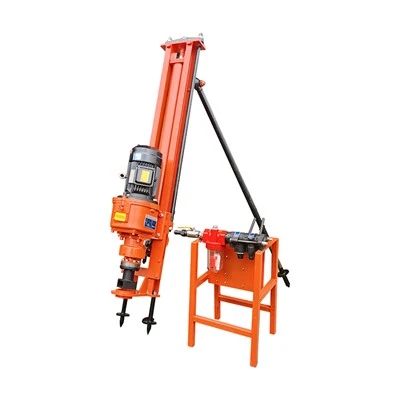
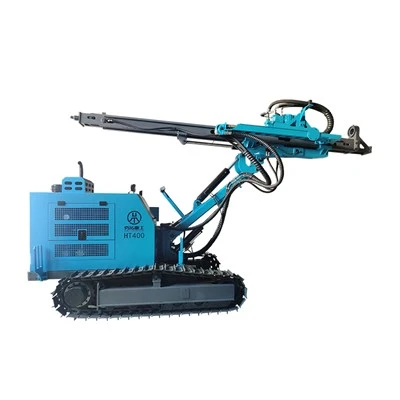
Hey there! As a core drilling rig supplier, I've been getting a lot of questions lately about the shock absorber in a core drilling rig. So, I thought I'd write a blog post to explain what it does and why it's so important.
What is a Shock Absorber in a Core Drilling Rig?
First things first, let's talk about what a shock absorber is. In simple terms, a shock absorber is a device that helps to dampen or reduce the impact of shocks and vibrations. In a core drilling rig, the shock absorber is designed to protect the drilling equipment and the operator from the intense vibrations and shocks that are generated during the drilling process.
When a core drilling rig is in operation, the drill bit rotates at high speeds and exerts a lot of force on the rock or soil being drilled. This can cause the drill rig to vibrate and shake, which can lead to a number of problems. For example, excessive vibrations can cause the drill bit to wear out more quickly, reduce the accuracy of the drilling, and even damage the drilling equipment. In addition, the vibrations can also be uncomfortable and potentially dangerous for the operator.
That's where the shock absorber comes in. It acts as a buffer between the drill rig and the ground, absorbing the shocks and vibrations and reducing their impact on the equipment and the operator. This helps to extend the lifespan of the drill bit and other components, improve the accuracy of the drilling, and make the drilling process more comfortable and safe for the operator.
How Does a Shock Absorber Work?
Now that we know what a shock absorber is and why it's important, let's take a closer look at how it works. There are several different types of shock absorbers used in core drilling rigs, but they all work on the same basic principle.
Most shock absorbers use a combination of springs and dampers to absorb and dissipate the energy of the shocks and vibrations. The springs are designed to compress and expand in response to the shocks, while the dampers are used to control the speed at which the springs compress and expand. This helps to ensure that the shocks are absorbed smoothly and efficiently, without causing any sudden or jarring movements.
In addition to springs and dampers, some shock absorbers also use hydraulic or pneumatic systems to further enhance their performance. These systems use fluid or air pressure to provide additional damping and support, which can help to reduce the impact of the shocks and vibrations even more effectively.
The Benefits of Using a Shock Absorber in a Core Drilling Rig
So, now that we know how a shock absorber works, let's talk about the benefits of using one in a core drilling rig. Here are some of the key advantages:
1. Extended Equipment Lifespan
As I mentioned earlier, excessive vibrations can cause the drill bit and other components of the drilling equipment to wear out more quickly. By using a shock absorber to reduce the vibrations, you can help to extend the lifespan of your equipment and save money on replacement parts and maintenance.
2. Improved Drilling Accuracy
Vibrations can also affect the accuracy of the drilling. When the drill rig is vibrating, it can be difficult to keep the drill bit on course, which can lead to uneven or inaccurate holes. By using a shock absorber to reduce the vibrations, you can improve the stability of the drill rig and ensure that the drill bit stays on track, resulting in more accurate and consistent drilling.
3. Increased Operator Comfort and Safety
The vibrations and shocks generated during the drilling process can be uncomfortable and potentially dangerous for the operator. By using a shock absorber to reduce the vibrations, you can make the drilling process more comfortable and safer for the operator, which can help to improve productivity and reduce the risk of accidents and injuries.
4. Reduced Noise and Vibration Pollution
In addition to the benefits for the equipment and the operator, using a shock absorber can also help to reduce the noise and vibration pollution generated by the drilling rig. This is especially important in urban or residential areas, where excessive noise and vibrations can be a nuisance to nearby residents.
Types of Shock Absorbers Used in Core Drilling Rigs
There are several different types of shock absorbers used in core drilling rigs, each with its own unique features and benefits. Here are some of the most common types:
1. Spring Shock Absorbers
Spring shock absorbers are the most basic type of shock absorber used in core drilling rigs. They use a simple coil spring to absorb the shocks and vibrations, and they are relatively inexpensive and easy to install. However, they may not be as effective as other types of shock absorbers in reducing the impact of the shocks and vibrations, especially in high-speed or heavy-duty drilling applications.
2. Hydraulic Shock Absorbers
Hydraulic shock absorbers use a hydraulic fluid to provide additional damping and support. They are more effective than spring shock absorbers in reducing the impact of the shocks and vibrations, and they can also provide a smoother and more consistent ride. However, they are more expensive and complex to install and maintain than spring shock absorbers.
3. Pneumatic Shock Absorbers
Pneumatic shock absorbers use compressed air to provide damping and support. They are similar to hydraulic shock absorbers in terms of their performance, but they are generally lighter and more compact. They are also less expensive and easier to install and maintain than hydraulic shock absorbers.
4. Combination Shock Absorbers
Combination shock absorbers use a combination of springs, dampers, and hydraulic or pneumatic systems to provide the best of both worlds. They offer the high performance and reliability of hydraulic or pneumatic shock absorbers, along with the simplicity and affordability of spring shock absorbers.
Choosing the Right Shock Absorber for Your Core Drilling Rig
When choosing a shock absorber for your core drilling rig, there are several factors to consider. Here are some of the key things to keep in mind:
1. Drilling Application
The type of drilling application you are using your core drilling rig for will have a big impact on the type of shock absorber you need. For example, if you are drilling in a high-speed or heavy-duty application, you will need a shock absorber that is capable of handling the increased vibrations and shocks. On the other hand, if you are drilling in a more lightweight or low-speed application, you may be able to get away with a less expensive and less powerful shock absorber.
2. Rig Size and Weight
The size and weight of your core drilling rig will also affect the type of shock absorber you need. Larger and heavier rigs will require more powerful shock absorbers to handle the increased vibrations and shocks. In addition, you will also need to make sure that the shock absorber is compatible with the size and weight of your rig.
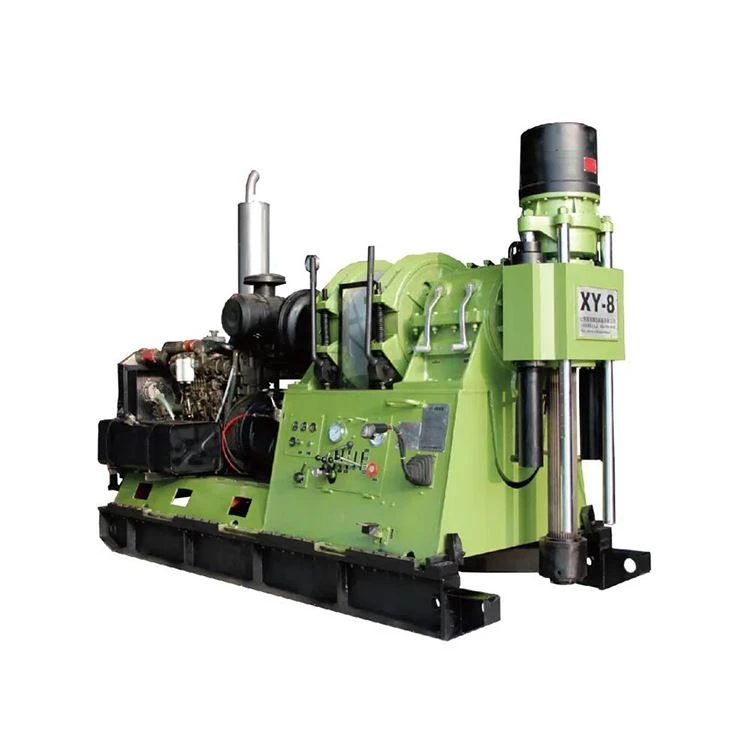

3. Budget
Of course, your budget will also be a factor when choosing a shock absorber for your core drilling rig. Shock absorbers can range in price from a few hundred dollars to several thousand dollars, depending on the type and quality of the product. You will need to balance your budget with your needs and choose a shock absorber that offers the best value for your money.
Conclusion
In conclusion, the shock absorber is an essential component of a core drilling rig. It helps to protect the equipment and the operator from the intense vibrations and shocks generated during the drilling process, and it can also provide a number of other benefits, such as extended equipment lifespan, improved drilling accuracy, increased operator comfort and safety, and reduced noise and vibration pollution.
If you're in the market for a core drilling rig, I highly recommend choosing one that comes with a high-quality shock absorber. And if you're already using a core drilling rig without a shock absorber, I encourage you to consider adding one to your equipment. It's a small investment that can make a big difference in the performance and longevity of your rig.
If you have any questions or would like to learn more about our Geological Exploration machine, Rock Core Drill, or 500m Portable Reverse Circulation Geological Exploration Drilling Machine, please don't hesitate to contact us. We'd be happy to help you find the right solution for your needs and answer any questions you may have.
References
- Drilling Equipment Handbook, various authors
- Journal of Drilling Technology, multiple issues
- Manufacturer's guides for core drilling rigs