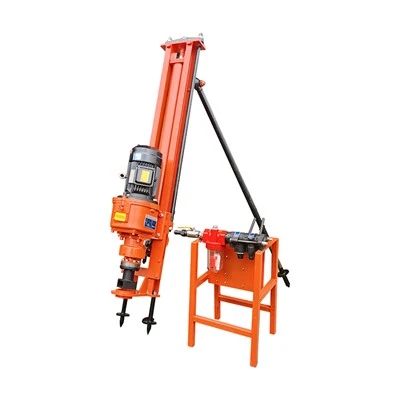
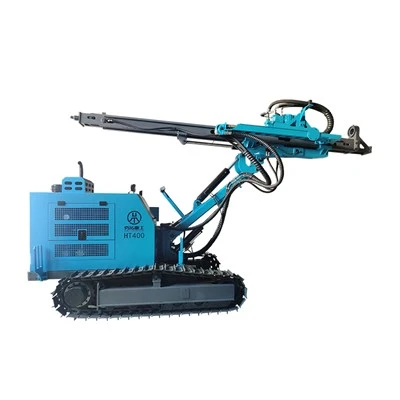
Coral reefs, often referred to as the "rainforests of the sea," are among the most diverse and productive ecosystems on the planet. They are home to a vast array of marine life, protect coastlines from erosion, and support a significant portion of the global fishing industry. On the other hand, DTH (Down-The-Hole) hammers are essential tools in the drilling industry, used for various applications such as mining, construction, and geothermal exploration. At first glance, these two might seem completely unrelated. However, upon closer examination, we can find that coral reefs can have an impact on the performance of DTH hammers, and understanding this relationship is crucial for DTH hammer suppliers like us.
The Ecosystem of Coral Reefs and Its Significance
Coral reefs are formed by colonies of tiny animals called polyps, which secrete calcium carbonate to build hard exoskeletons. Over time, these exoskeletons accumulate and form the complex structures that we know as coral reefs. These reefs provide a habitat for approximately 25% of all marine species, despite covering less than 1% of the ocean floor. They also play a vital role in protecting coastlines from the damaging effects of waves and storms, as they absorb and dissipate wave energy.
In addition to their ecological importance, coral reefs have significant economic value. They support a multi - billion - dollar tourism industry, as people from all over the world visit coral reef destinations for activities such as snorkeling, diving, and fishing. Moreover, they are important for the fishing industry, as many commercially important fish species rely on coral reefs for food and shelter.
How Coral Reefs Relate to DTH Hammer Applications
Although DTH hammers are typically used in terrestrial or sub - terrestrial environments such as mines and construction sites, the impact of coral reefs can still be felt in the drilling industry. One of the main ways is through the regulation of the marine environment. Coral reefs help maintain the health and stability of the ocean ecosystem, which in turn affects the availability of resources that are used in the production and operation of DTH hammers.
For example, the mining industry often depends on the availability of minerals and metals that are transported through the oceans. A healthy coral reef ecosystem helps maintain the balance of the marine environment, ensuring the smooth flow of shipping lanes. Any damage to coral reefs can disrupt these shipping routes, leading to potential delays in the supply of raw materials needed for DTH hammer production.
Impact on Material Sourcing
The production of DTH hammers requires a variety of materials, including steel, tungsten carbide, and other alloys. These materials are often mined from different parts of the world and transported via sea routes. Coral reefs act as natural barriers and buffers in the ocean. When they are damaged, it can lead to increased coastal erosion and sedimentation. This sedimentation can affect the quality of water in ports and shipping channels, making it more difficult and costly to transport materials.
In addition, a damaged coral reef ecosystem can lead to changes in ocean currents and weather patterns. These changes can disrupt shipping schedules, increase the risk of storms and rough seas, and ultimately impact the timely delivery of materials to DTH hammer manufacturing plants. As a DTH hammer supplier, we rely on a stable supply chain to ensure the quality and quantity of our products. Any disruption in the material sourcing process can lead to production delays and increased costs.
Impact on Drilling in Coastal Areas
In some cases, DTH hammers are used for drilling in coastal areas, such as for the construction of ports, bridges, or offshore wind farms. The presence of healthy coral reefs can influence the drilling process in several ways.
Firstly, coral reefs can affect the seabed conditions. A healthy coral reef ecosystem promotes the growth of sediment - binding organisms, which helps to stabilize the seabed. This can make the drilling process more predictable and easier, as the drill bit encounters a more consistent substrate. On the other hand, if the coral reefs are damaged, the seabed may become more unstable, with increased sediment movement and potential for landslides. This can pose challenges to the drilling operation, such as drill bit clogging and difficulty in maintaining the correct drilling angle.
Secondly, in areas where coral reefs are present, there are often strict environmental regulations in place to protect these sensitive ecosystems. When using DTH hammers for coastal drilling, companies need to comply with these regulations, which may include restrictions on drilling depth, noise levels, and waste disposal. These regulations can impact the efficiency and cost - effectiveness of the drilling operation.
Our Role as a DTH Hammer Supplier
As a DTH hammer supplier, we are committed to understanding and addressing the impact of coral reefs on our products and services. We recognize the importance of sustainable development and the need to balance economic growth with environmental protection.
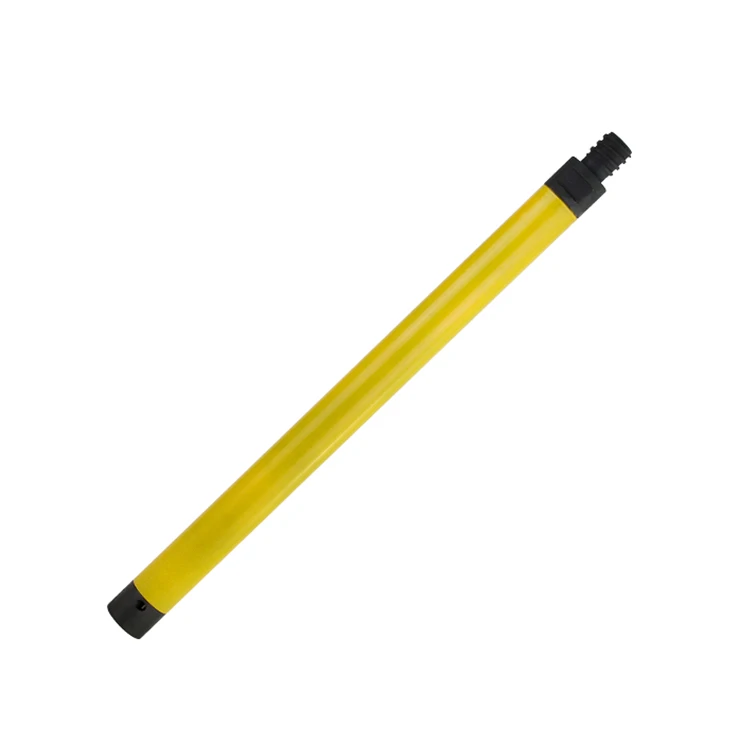
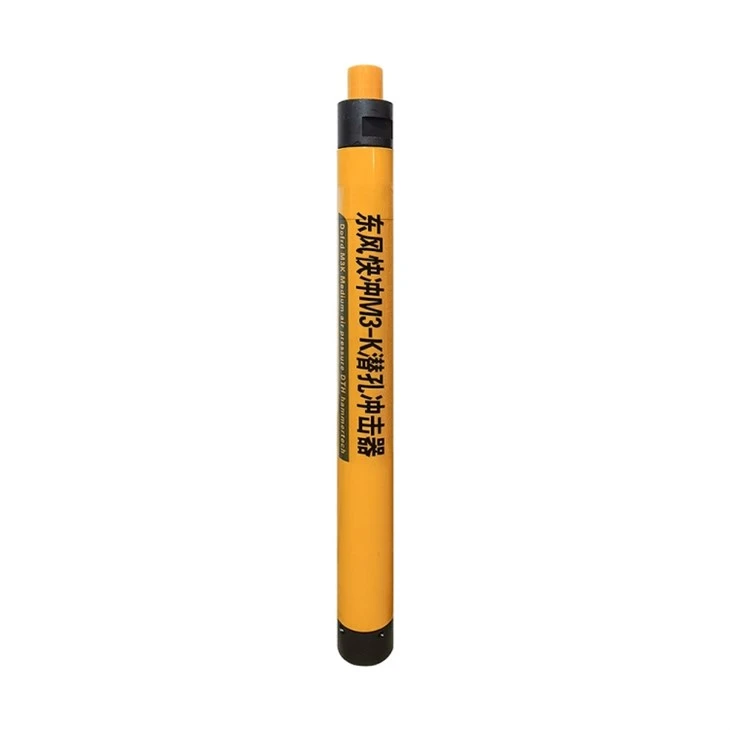
We offer a range of DTH hammers, including medium air pressure dth hammer, Low Pressure Down - the - hole Hammer, and High Pressure DTH Hammer. Our products are designed to be efficient and reliable, while also minimizing their environmental impact.
When working on projects in coastal areas, we ensure that our clients are aware of the environmental regulations related to coral reef protection. We provide guidance on how to conduct drilling operations in a way that minimizes damage to the marine environment. For example, we can recommend the use of advanced drilling techniques that reduce noise and vibration, which can be harmful to coral reefs and marine life.
The Future of DTH Hammers and Coral Reef Conservation
In the future, the relationship between DTH hammers and coral reefs will become even more important. As the demand for natural resources continues to grow, the drilling industry will face increasing pressure to operate in a more sustainable manner. At the same time, the need to protect coral reefs will become more urgent, given the threats they face from climate change, pollution, and overfishing.
We believe that by promoting sustainable practices in the drilling industry, we can help protect coral reefs while still meeting the needs of our customers. This may involve investing in research and development to create more environmentally friendly DTH hammers, as well as working with other stakeholders, such as environmental organizations and government agencies, to develop and implement conservation strategies.
Contact Us for Your DTH Hammer Needs
If you are in the market for high - quality DTH hammers, we invite you to contact us. We have a team of experts who can provide you with detailed information about our products and help you choose the right DTH hammer for your specific application. Whether you need a medium air pressure dth hammer, a Low Pressure Down - the - hole Hammer, or a High Pressure DTH Hammer, we are here to assist you. Let's work together to ensure the success of your drilling projects while also contributing to the protection of our precious coral reefs.
References
- Wilkinson, C. (Ed.). (2008). Status of coral reefs of the world: 2008. Global Coral Reef Monitoring Network and Reef and Rainforest Research Centre.
- Hughes, T. P., et al. (2017). Global warming transforms coral reef assemblages. Nature, 546(7656), 82 - 86.
- Sale, P. F. (2008). Coral reef fisheries. Blackwell Publishing.