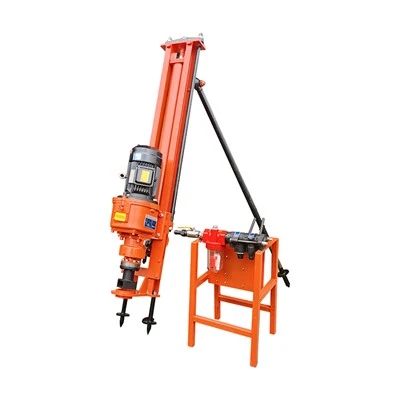
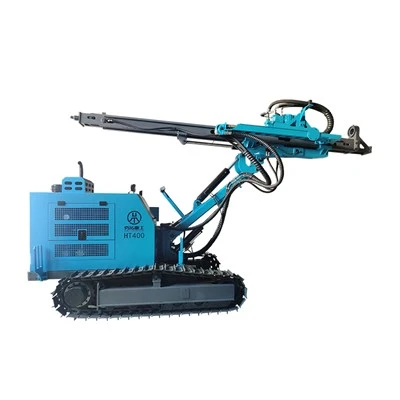
Hey there! As a supplier of water well drill rig trucks, I often get asked about the drill head rotation speed range. It's a crucial factor that can significantly impact the efficiency and effectiveness of water well drilling operations. So, let's dive right into it and explore what the drill head rotation speed range of a water well drill rig truck is all about.
First off, the drill head rotation speed range can vary quite a bit depending on several factors. These include the type of drill rig, the diameter of the drill bit, the type of soil or rock being drilled through, and the specific drilling method being used. For instance, different models of water well drill rig trucks are designed to handle different drilling tasks, and their rotation speed ranges are tailored accordingly.
Let's start by looking at the general range. In most standard water well drill rig trucks, the drill head rotation speed can range from as low as 20 revolutions per minute (RPM) to as high as 300 RPM. The lower end of this range, around 20 - 50 RPM, is typically used when drilling through hard rock formations. When dealing with hard rocks like granite or basalt, a slower rotation speed provides more torque. Torque is the rotational force that helps the drill bit break through the tough material. With a slower speed and higher torque, the drill bit can gradually chip away at the rock without getting damaged.
On the other hand, when drilling through softer materials such as sand, clay, or loose soil, a higher rotation speed can be employed. Speeds in the range of 150 - 300 RPM are common for these types of materials. The faster rotation allows the drill bit to cut through the soft soil more quickly, increasing the overall drilling efficiency. This is because the softer soil doesn't require as much torque to break apart, and a faster rotation can cover more ground in less time.

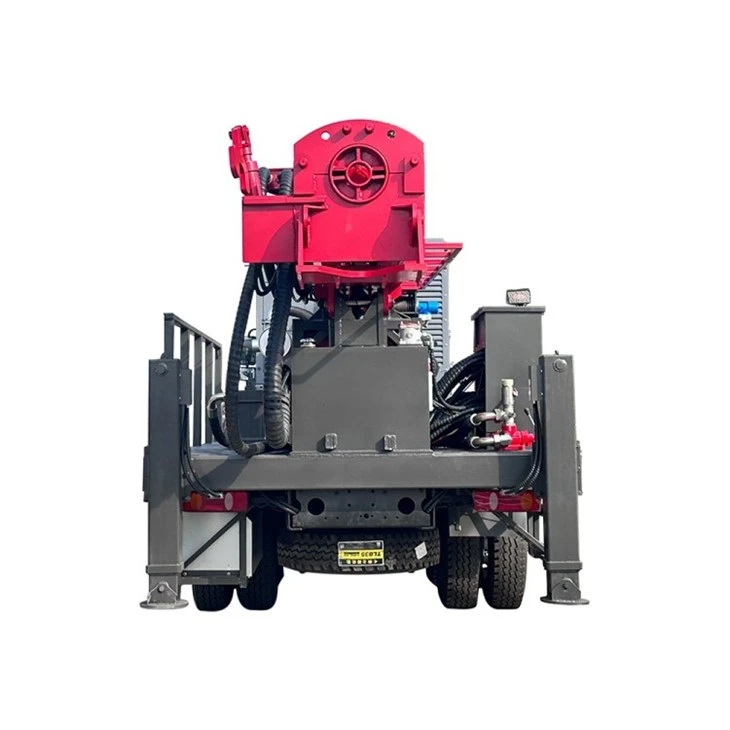
Now, it's important to note that some advanced reverse circulation water well drilling rig models can have even more precise and adjustable rotation speed ranges. These rigs are designed to handle a wider variety of drilling conditions. They often come with sophisticated control systems that allow the operator to fine - tune the rotation speed based on real - time feedback from the drilling process. For example, if the drill encounters a layer of harder rock while in the middle of a soft soil drilling operation, the operator can quickly reduce the rotation speed to ensure the drill bit can handle the change in material.
Another aspect to consider is the type of drilling method. For example, in rotary drilling, which is one of the most common methods for water well drilling, the rotation speed plays a vital role. The drill bit is attached to the drill string, and as the drill head rotates, the bit cuts into the ground. The appropriate rotation speed ensures that the cuttings (the pieces of soil or rock that are removed during drilling) are efficiently removed from the borehole. If the speed is too slow, the cuttings may not be cleared properly, which can lead to blockages and reduced drilling efficiency. If the speed is too fast, it can cause excessive wear and tear on the drill bit and other components of the rig.
When it comes to mobile Water Well Drill Rig, their rotation speed ranges are also optimized for mobility and versatility. These rigs are designed to be easily transported to different drilling sites, and they need to be able to adapt to various soil and rock conditions on the go. The rotation speed range allows them to handle everything from small - scale residential water well projects to larger commercial drilling operations.
In addition to the soil and rock conditions, the diameter of the drill bit also affects the optimal rotation speed. A larger diameter drill bit generally requires a slower rotation speed compared to a smaller one. This is because a larger bit has more surface area in contact with the ground, and a slower speed helps to maintain the necessary torque for effective cutting. For example, if you're using a 12 - inch diameter drill bit, you might want to keep the rotation speed towards the lower end of the range, say around 30 - 80 RPM, depending on the material. In contrast, a 4 - inch diameter drill bit can operate at a higher speed, perhaps 100 - 250 RPM in softer materials.
It's also worth mentioning that modern water well drilling rigs are equipped with sensors and monitoring systems. These systems can provide real - time data on the rotation speed, torque, and other drilling parameters. This information helps the operator make informed decisions during the drilling process. For example, if the torque is too high, it might indicate that the rotation speed is too low or that the drill bit is encountering an unexpected hard layer. The operator can then adjust the rotation speed accordingly to optimize the drilling performance.
As a supplier, I understand that choosing the right water well drill rig truck with the appropriate rotation speed range is crucial for your drilling projects. Whether you're a small - time contractor or a large - scale drilling company, having a rig that can handle different conditions efficiently can save you time and money. That's why we offer a wide range of water well drill rig trucks with various rotation speed ranges to meet your specific needs.
If you're in the market for a water well drill rig truck and have questions about the drill head rotation speed range or any other aspects of our products, I'd love to have a chat with you. Reach out to us to discuss your requirements, and we can help you find the perfect rig for your next water well drilling project.
References
- Drilling Engineering Handbook, Various Industry Experts
- Water Well Drilling Best Practices, Industry Publications