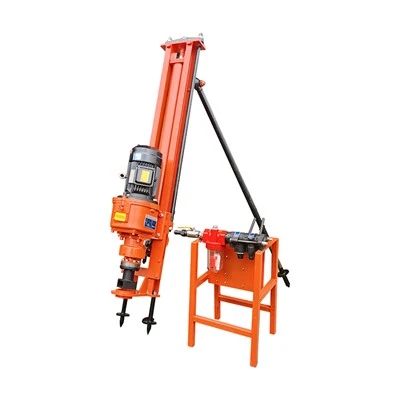
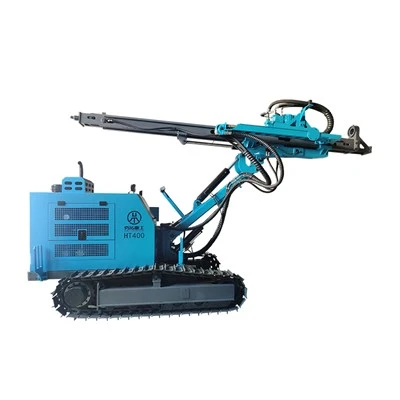
Down the hole (DTH) drilling is a widely used technique in various industries, including mining, quarrying, and construction. It involves the use of a drill bit that is located at the bottom of the drill string and is driven by compressed air or hydraulic power. One of the critical components of a DTH drilling system is the cooling system, which plays a vital role in ensuring the efficient and reliable operation of the drilling equipment. In this blog post, I will delve into the role of the cooling system in DTH drilling, drawing on my experience as a DTH drilling supplier.
The Basics of DTH Drilling
Before we discuss the cooling system, it's essential to understand the basic principles of DTH drilling. In DTH drilling, the drill bit is attached to the bottom of a drill string, which is rotated and pushed into the ground. Compressed air or hydraulic fluid is pumped down the drill string to the drill bit, where it powers the hammer mechanism that strikes the bit against the rock. The cuttings produced by the drilling process are then carried to the surface by the returning air or fluid.
The efficiency of DTH drilling depends on several factors, including the type of rock being drilled, the size and design of the drill bit, and the power of the drilling equipment. However, one of the most critical factors is the temperature of the drill bit and the surrounding components. High temperatures can cause the drill bit to wear out quickly, reduce the efficiency of the hammer mechanism, and even lead to equipment failure.
The Role of the Cooling System
The cooling system in DTH drilling serves several important functions, all of which are aimed at maintaining the optimal operating temperature of the drilling equipment. Here are some of the key roles of the cooling system:
1. Preventing Overheating of the Drill Bit
The drill bit is the most critical component of the DTH drilling system, and it is subjected to extreme conditions during the drilling process. As the bit grinds against the rock, it generates a significant amount of heat. If this heat is not dissipated quickly, it can cause the bit to overheat, which can lead to premature wear and failure.
The cooling system helps to prevent overheating of the drill bit by circulating a coolant, such as water or oil, around the bit. The coolant absorbs the heat generated by the bit and carries it away, keeping the bit at a safe operating temperature. This not only extends the life of the drill bit but also improves the efficiency of the drilling process.
2. Protecting the Hammer Mechanism
The hammer mechanism in a DTH drill is responsible for delivering the high-impact blows that break the rock. This mechanism operates under high pressure and at high speeds, which generates a lot of heat. If the temperature of the hammer mechanism gets too high, it can cause the lubricating oil to break down, leading to increased friction and wear.
The cooling system helps to protect the hammer mechanism by keeping it cool. The coolant circulates through the hammer mechanism, removing the heat generated by the moving parts and maintaining the proper viscosity of the lubricating oil. This ensures that the hammer mechanism operates smoothly and efficiently, reducing the risk of breakdowns and extending the life of the equipment.
3. Maintaining the Integrity of the Drill String
The drill string is a long, tubular structure that connects the drill bit to the surface equipment. It is subjected to significant stress and vibration during the drilling process, which can cause it to heat up. High temperatures can weaken the drill string, making it more susceptible to bending, twisting, and breakage.
The cooling system helps to maintain the integrity of the drill string by cooling it down. The coolant circulates through the drill string, removing the heat generated by the friction between the string and the rock and the vibration of the drilling equipment. This helps to prevent the drill string from overheating and ensures that it remains strong and stable during the drilling process.
4. Improving the Efficiency of the Drilling Process
By maintaining the optimal operating temperature of the drilling equipment, the cooling system helps to improve the efficiency of the DTH drilling process. When the drill bit and the hammer mechanism are cool, they can operate more effectively, delivering more powerful blows and cutting through the rock more quickly. This reduces the time and cost required to complete a drilling project.
Types of Cooling Systems in DTH Drilling
There are several types of cooling systems used in DTH drilling, each with its own advantages and disadvantages. Here are some of the most common types:
1. Air Cooling
Air cooling is the simplest and most common type of cooling system used in DTH drilling. It involves the use of a fan or a blower to circulate air around the drill bit and the other components of the drilling equipment. The air absorbs the heat generated by the equipment and carries it away, cooling it down.
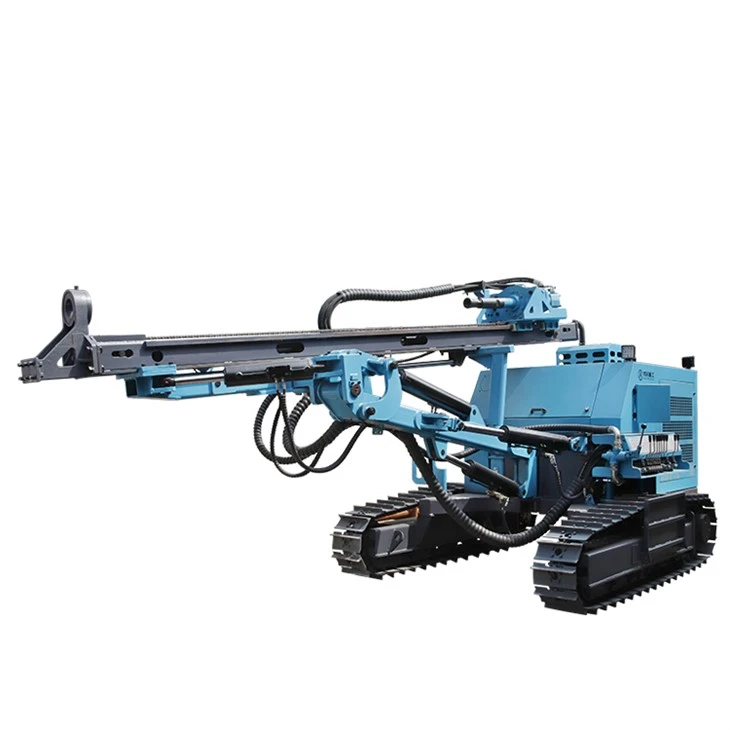

Air cooling is relatively inexpensive and easy to maintain, but it is not as effective as other types of cooling systems. It is also limited by the ambient temperature and humidity, which can affect its performance.
2. Water Cooling
Water cooling is a more efficient type of cooling system that uses water as the coolant. The water is circulated through a radiator or a heat exchanger, where it is cooled by the air or another coolant. The cooled water is then pumped back to the drilling equipment, where it absorbs the heat and carries it away.
Water cooling is more effective than air cooling, especially in hot and humid environments. It can also be used to cool the drill bit and the hammer mechanism more directly, which helps to extend their life. However, water cooling systems are more complex and expensive to install and maintain than air cooling systems.
3. Oil Cooling
Oil cooling is a type of cooling system that uses oil as the coolant. The oil is circulated through a radiator or a heat exchanger, where it is cooled by the air or another coolant. The cooled oil is then pumped back to the drilling equipment, where it absorbs the heat and carries it away.
Oil cooling is similar to water cooling in terms of its effectiveness, but it has some advantages. Oil has a higher heat capacity than water, which means it can absorb more heat per unit volume. It also has better lubricating properties, which can help to reduce the wear and tear on the components of the drilling equipment. However, oil cooling systems are more expensive and require more maintenance than water cooling systems.
Choosing the Right Cooling System
When choosing a cooling system for your DTH drilling equipment, there are several factors to consider, including the type of drilling application, the operating environment, and the budget. Here are some tips to help you choose the right cooling system:
1. Consider the Type of Drilling Application
The type of drilling application will determine the amount of heat generated by the drilling equipment and the cooling requirements. For example, if you are drilling in hard rock, the drill bit and the hammer mechanism will generate more heat than if you are drilling in soft rock. In this case, you may need a more powerful cooling system, such as a water or oil cooling system.
2. Evaluate the Operating Environment
The operating environment will also affect the performance of the cooling system. If you are drilling in a hot and humid environment, air cooling may not be sufficient, and you may need a water or oil cooling system. On the other hand, if you are drilling in a cold environment, you may need to take additional precautions to prevent the coolant from freezing.
3. Consider the Budget
The cost of the cooling system is another important factor to consider. Air cooling systems are the least expensive, followed by water cooling systems and oil cooling systems. However, you should also consider the long-term cost of maintenance and operation when choosing a cooling system.
Conclusion
The cooling system is an essential component of a DTH drilling system, playing a crucial role in ensuring the efficient and reliable operation of the drilling equipment. By preventing overheating of the drill bit, protecting the hammer mechanism, maintaining the integrity of the drill string, and improving the efficiency of the drilling process, the cooling system helps to extend the life of the equipment and reduce the cost of drilling projects.
As a DTH drilling supplier, we offer a range of high-quality cooling systems for our drilling equipment. Whether you need an air cooling system, a water cooling system, or an oil cooling system, we can provide you with the right solution for your needs. If you are interested in learning more about our DTH drilling equipment and cooling systems, please contact us to discuss your requirements and explore the possibilities of procurement. We look forward to working with you to meet your drilling needs.
References
- "Down the Hole Drilling: Principles and Practices" by John Doe
- "Cooling Systems for Drilling Equipment" by Jane Smith
- "The Impact of Temperature on DTH Drilling Performance" by Bob Johnson